As the 2026 MLB Draft came to an end on Sunday, the Chicago Cubs had one goal in mind: load up on pitching. Of the list of Cubs draftees from this year’s draft, outside of drafting college hitters, Caden Sorrell and Myles Bailey, in the 2nd and 3rd rounds, the Cubs drafted 15 college pitchers, and only 1 high school pitcher stands out the most.
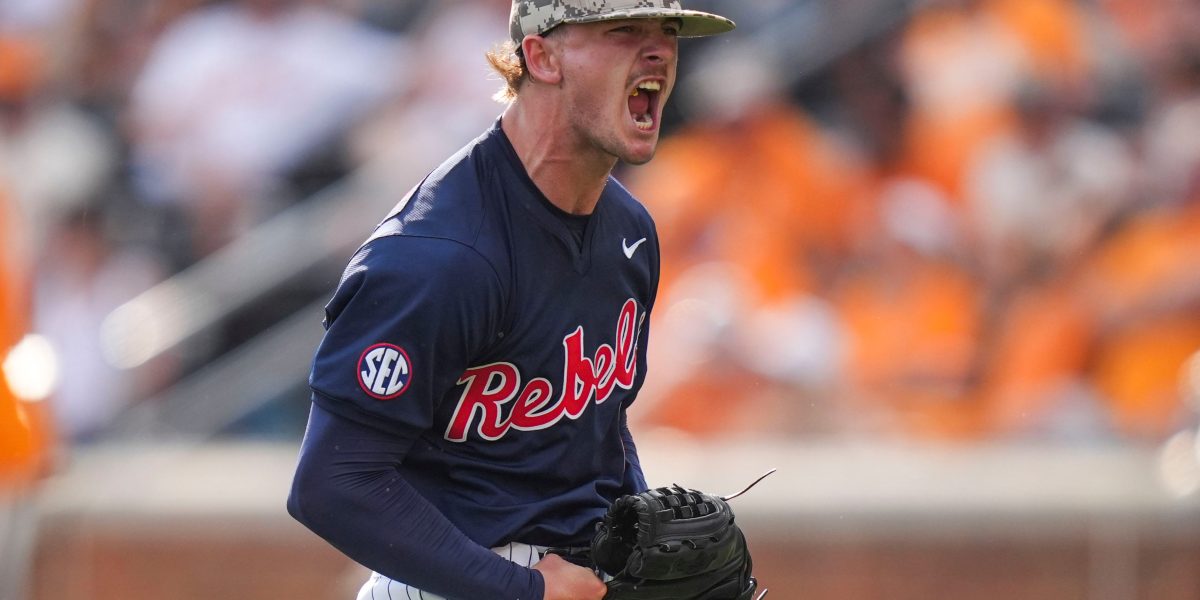
Let’s start with Cade Townsend, an Ole Miss right‑hander taken 23rd overall. This past season, he had a 3.94 ERA in 64 innings, striking out 88 batters and issuing just 22 walks in the ultra-competitive SEC.
The one high‑school pitcher selected by the Cubs is Dylan Blomker from La Cueva High School in New Mexico in the 5th round. He went 8-1 with a 1.99 ERA and 113 strikeouts over 53 2/3 innings, while also hitting .395 with seven homers as a first baseman, and won the Gatorade Player of the Year for New Mexico.
This year’s draft reveals the ugly truth about the Cubs’ pitching depth

Taking fifteen college pitchers isn’t bold. It’s desperate.
It’s the front office admitting they don’t have enough pitching in the minors. Jed Hoyer is under immense pressure to buy pitching at the deadline — both starters and relievers. They have to pay a premium while competing with other contenders.
You want a controllable starter? That’s going to cost you multiple top‑five prospects.
You want high‑leverage relievers? That might cost you more depending on who is available.
The Cubs are staring at a deadline where they’ll have to do both. But they probably can’t compete with other contenders.
The Cubs didn’t draft sixteen pitchers because they suddenly discovered a passion for arms. It’s because they’re tired of being the team that:
- Has no internal rotation depth
- Has no homegrown bullpen pipeline
- Has to trade prospects every July just to survive
- Has to sign reclamation projects and hope they magically turn into something
The other disturbing part about this year’s draft is the addition of only one high school arm in Blomker. Whether it is their ability to sign them or their worries about injuries, it does not sound like a smart strategy at all. Why can’t the Cubs be able to handle both developing college arms and high school pitchers?
In the end, this draft feels like a revelation about the current state of pitching in the minors and their flawed philosophy. And it should be a huge concern for many Cubs fans.