Newsletter Subscribe
Enter your email address below and subscribe to our newsletter

Enter your email address below and subscribe to our newsletter

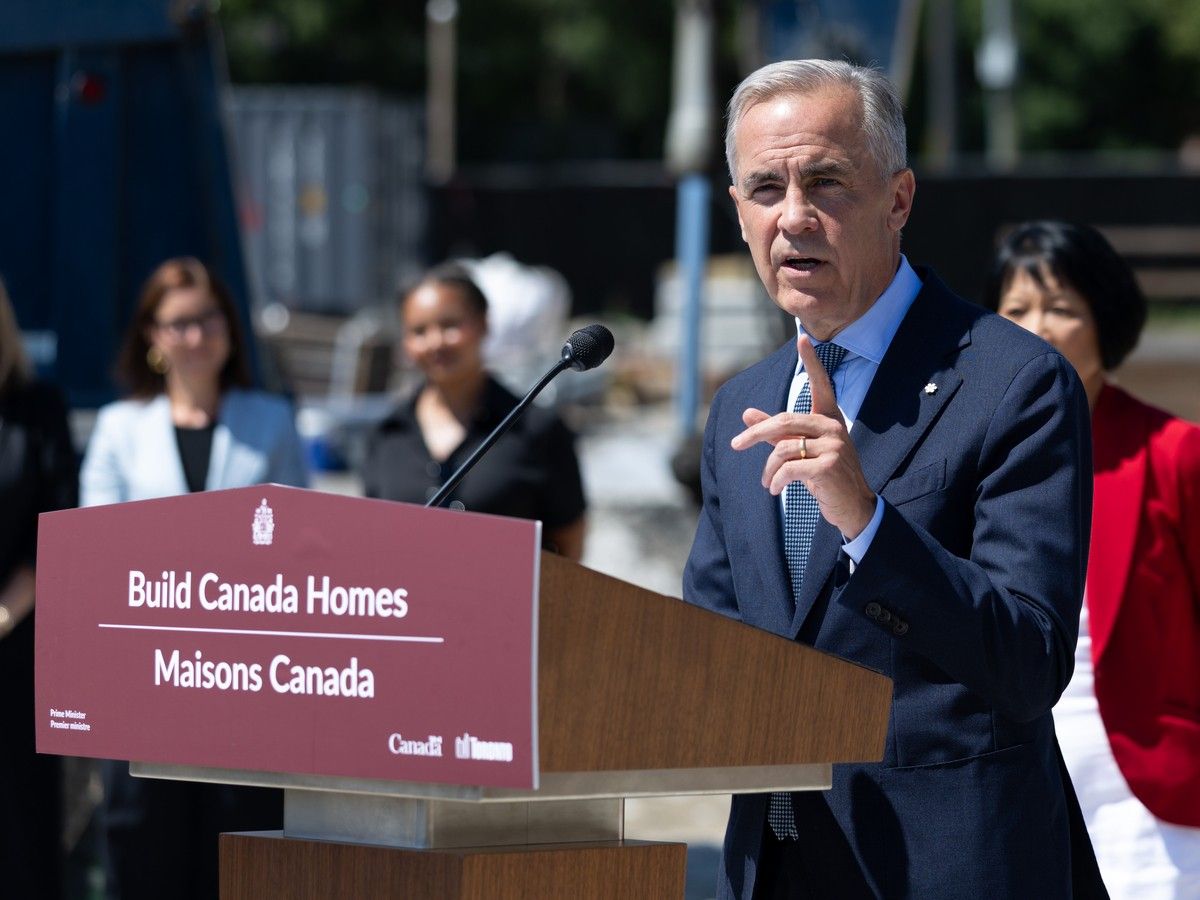
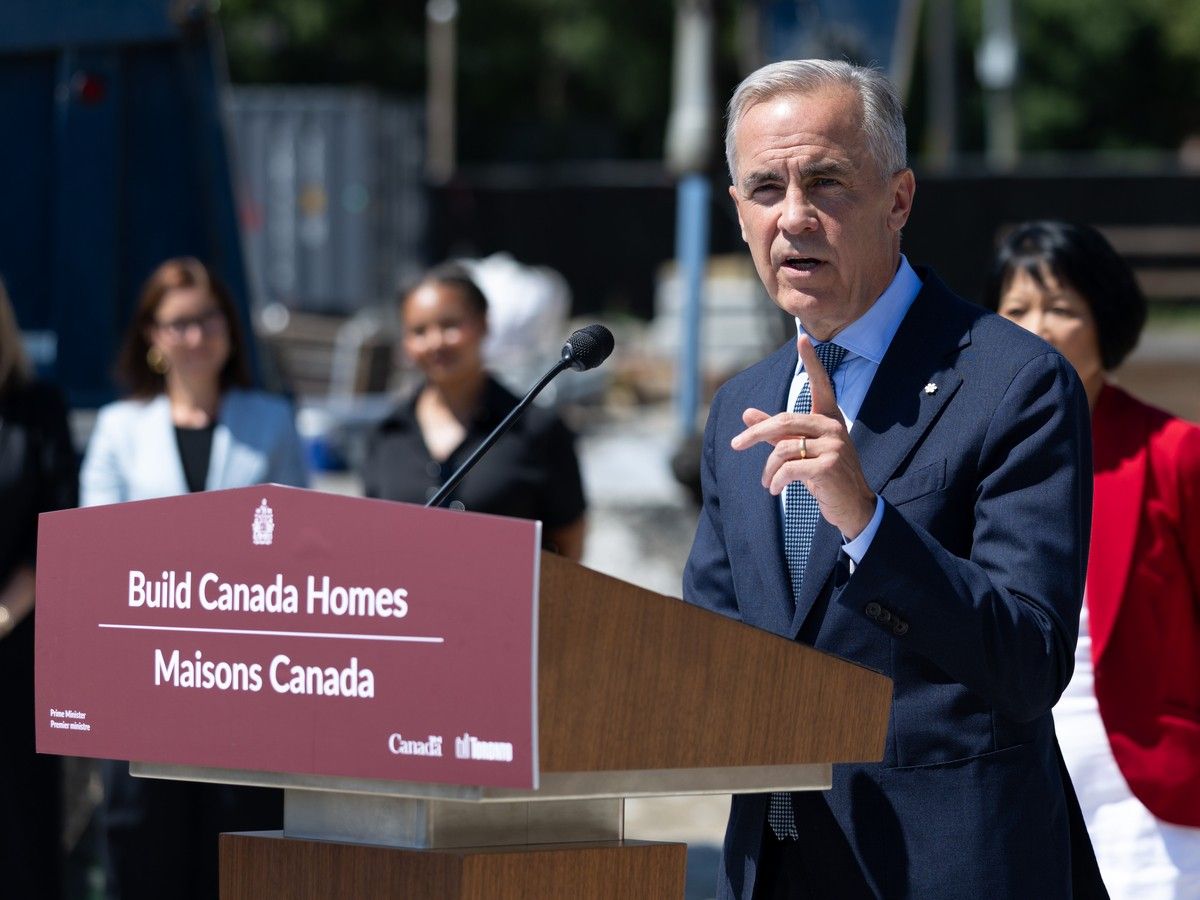
OTTAWA — Prime Minister Mark Carney said he is “very involved” in negotiations with the U.S., as a new 50 per-cent U.S. tariff is set to hit a host of Canadian goods in just two weeks.
“We’re in the middle of negotiations, and Minister Leblanc, Janice Charette, who’s our chief negotiator, are in Washington as Ambassador Wiseman, obviously there, in a series of meetings related to this,” said Carney, during a press conference in Toronto on Wednesday. “I’m very involved in this as well, and we’ll see.”
Carney said the Canadian negotiating team remains focused on providing some relief for Canada’s strategic sectors that currently face Section 232 tariffs, which include aluminum, steel, autos, pharmaceuticals and lumber.
When a reporter during Wednesday’s press conference asked why autos have not been a focus in current trade discussions with the U.S., Carney dismissed the premise of the question.
“You don’t know that,” he replied. “I know what’s being discussed, I’m part of those discussions.”
Carney later said autos were “very much” at the core of negotiations with the U.S.
Earlier this month, the U.S. administration announced it plans to use Section 338 of the Tariff Act of 1930 to impose a 50 per-cent levy on Canadian goods, set to take effect on Aug. 19. The new tariffs will not apply to potash, energy, fish, or other goods already facing separate sector-specific tariffs. The Section 338 tariffs will also apply to CUSMA-compliant goods.
The U.S. has cited Canada’s dairy quotas, U.S. alcohol bans in some provinces, and tariff quotas on American autos as the reasons for its latest trade action. The list of Canadian products affected by the tariff range from cement, clothing, sports equipment to alcohol products.
In response, Carney said he and the president agreed to “intensify” trade discussions. Carney has also not ruled out retaliation, should the Section 338 levies come into effect. Canada’s premiers have floated several ideas, including leveraging potash, energy and critical minerals exports to the U.S.
Carney ruled out cutting oil exports to retaliate against U.S. tariffs during a press conference with Alberta Premier Danielle Smith in Red Deer, Alta., last week.
In French, the prime minister also talked about maintaining a hard line, should an agreement not be reached with the Americans.
Canada-U.S. Trade Minister Dominic LeBlanc and Chief Trade Negotiator Janice Charette met with United States Trade Representative Jamieson Greer last week in Washington and are again in the U.S. capital this week.
LeBlanc and Charette met with the National Association of Manufacturers’ President and CEO, Jay Timmons, on Tuesday. They also met with Republican Senators Kevin Cramer and Bill Hagerty on Wednesday.
The new tariffs are expected to hit five per cent of Canadian exports to the U.S., the equivalent of $29 billion in trade.
National Post
Our website is the place for the latest breaking news, exclusive scoops, longreads and provocative commentary. Please bookmark nationalpost.com and sign up for our newsletters here.