Newsletter Subscribe
Enter your email address below and subscribe to our newsletter

Enter your email address below and subscribe to our newsletter

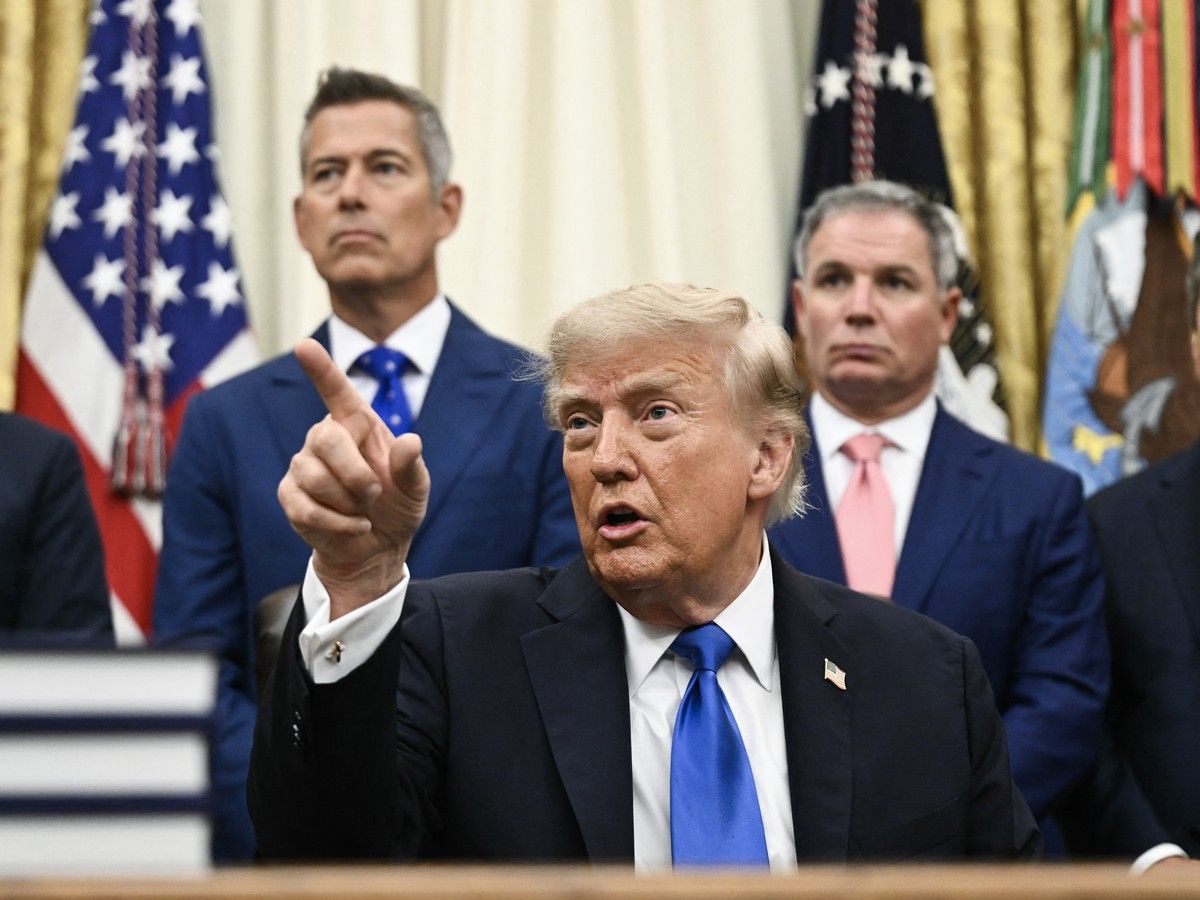
OTTAWA — A free-market think tank is calling on Canadian policymakers to turn the other cheek as the United States ramps up its cross-border tariffs.
“When you’re in a trade impasse like the one we’re in with the U.S., what works is being able to outlast the other guy,” said Vincent Geloso, a senior economist at the Montreal Economic Institute and the author of a new research note on the ineffectiveness of counter-tariffs.
“Eventually, there’ll be an opportunity to act at the right time in the right way,” said Geloso.
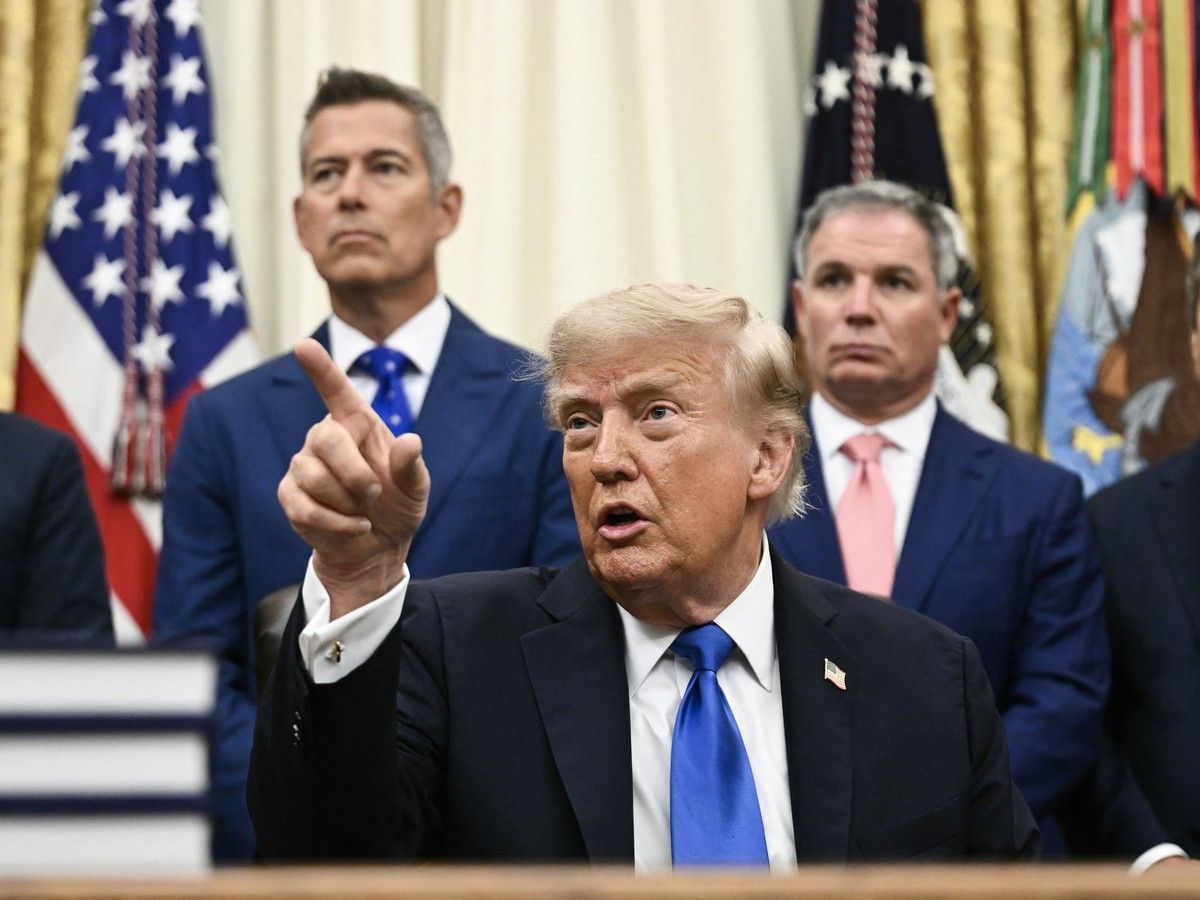
The Carney government has been scrambling to respond to U.S. President Donald Trump’s use of Section 338 of the Tariff Act of 1930 to put 50 per cent tariffs on a host of Canadian goods. The tariffs took effect on Aug. 22, after last-minute trade talks collapsed.
Last week, Prime Minister Mark Carney announced counter-tariffs on $27.6 billion worth of imports from the U.S., which are set to take effect on Sept. 8.
But Geloso says that Carney would be smart to learn from Canada’s response to the U.S.’s first use of the Tariff Act during the Great Depression.
“In the ’30s we did counter-tariffs. We actually did two rounds of retaliation, (both) of which did absolutely nothing,” said Geloso.
The U.S. raised tariffs by an average of 20 per cent on more than 800 Canadian products under the 1930 Tariff Act, prompting retaliation from Liberal prime minister Mackenzie King and his Conservative successor R.B. Bennett. Bennett was especially aggressive in his response, putting matching counter-tariffs on roughly 30 per cent of U.S. exports to Canada.
Geloso says that these measures had no perceptible effect on the American economy or the direction of U.S. trade policy. However, they did substantial harm to Canada’s economy.
He estimates that falling prices for goods Canada sold to other countries caused about half of Canada’s losses during the Great Depression, with counter-tariffs being a key driver of this effect.
Geloso said that what ultimately resolved the impasse was a change in government in the U.S., with Democrat Franklin Delano Roosevelt winning a massive mandate in the 1932 presidential election. He added that Roosevelt demonstrated his commitment to open markets by naming free-trade evangelist Cordell Hull his first secretary of state.
“Naming Cordell Hull in that position was about as radical of a pro-free trade signal (Roosevelt) could have sent at the time,” said Geloso.
The Roosevelt government quickly restored cross-border trade relations, signing a reciprocal trade agreement with Canada in 1935.
Geloso admits that the situation is somewhat different this time around, with Canada facing punitive, targeted cross-border tariffs, rather than ones the U.S. has broadly applied to all its trade partners. Section 338 has never before been invoked in the Tariff Act’s 96-year history.
However, he says this doesn’t change the fundamental dynamics of the Canada-U.S. relationship.
“What worked then is what will work now, and that’s being patient,” said Geloso.
Geloso said he supported Carney’s decision to walk away from negotiations but said the prime minister needs to avoid being goaded into a tit-for-tat tariff war that Canada cannot win.
“(Carney) can either play the jingoist card or the adult card,” said Geloso. “And the adult card would be to exercise patience and wait for the other guy to tire himself out of the shenanigans he’s doing.”
He noted that Trump’s job approval rating is at a historic low and said he expected Trump to be a “lame duck” after November’s midterm elections.
Geloso said that, for the time being, Carney should focus on implementing measures that mitigate the immediate damage of the tariffs and make Canada’s economy more resilient, such as reducing red tape for businesses.
He added that Carney is in a good position to dig in for extended trade interruption, with a majority government and the strong backing of Canadians on the Canada-U.S. relations file.
National Post
rmohamed@postmedia.com
Our website is the place for the latest breaking news, exclusive scoops, longreads and provocative commentary. Please bookmark nationalpost.com and sign up for our daily newsletter, Posted, here.