Newsletter Subscribe
Enter your email address below and subscribe to our newsletter

Enter your email address below and subscribe to our newsletter

OTTAWA — An Ontario company that is being threatened by a massive retroactive tax bill because its golf carts were categorized by Ottawa as electric vehicles (EVs) isn’t alone.
At least one other Canadian company that also has its motorized push carts manufactured in China says it has also received a tax bill from Canada Border Services Agency (CBSA) that is large enough to threaten its business.
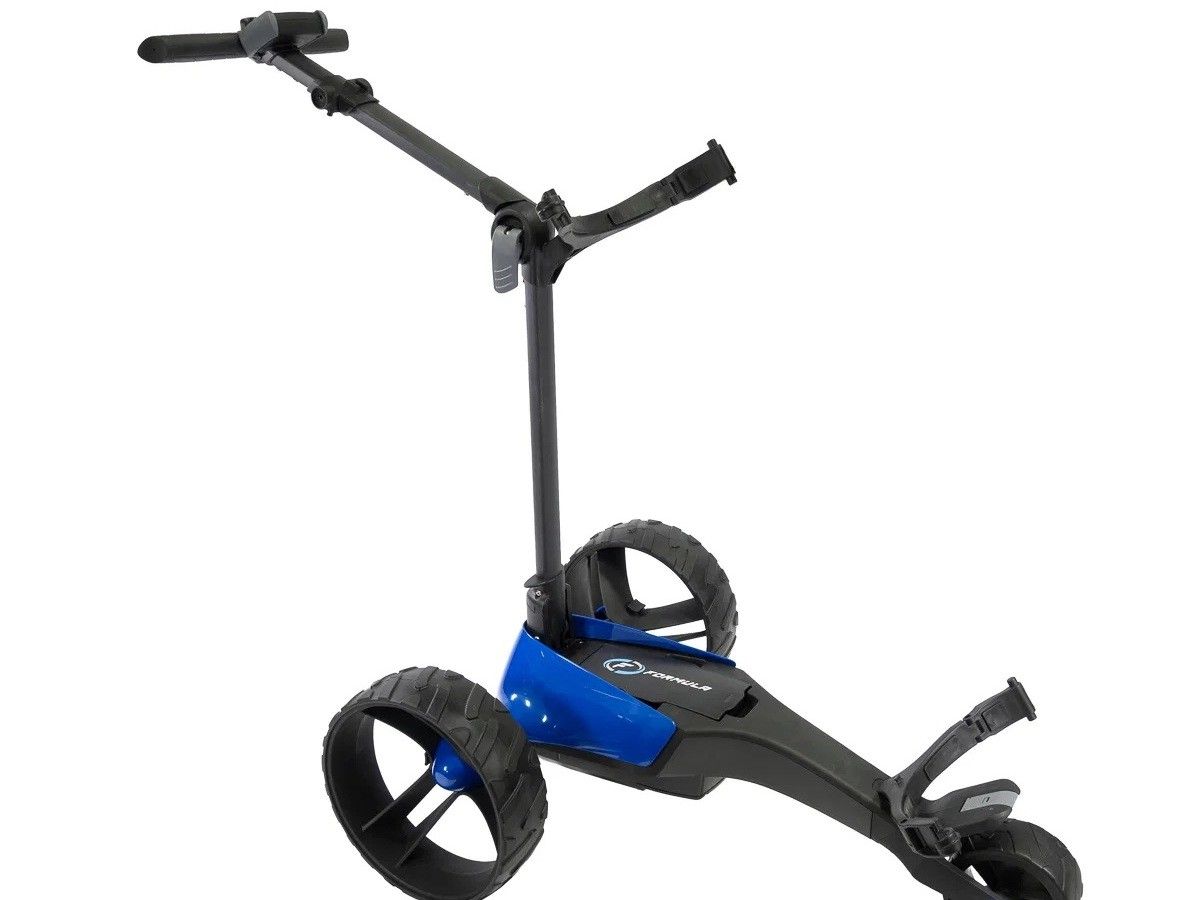
Hanson Xie, director of operations of Markham, Ont.-based Axglo Inc., says the federal government has told his company to pay about $500,000 in back taxes for the importation of its carts. The three and four-wheeled buggies are just large enough to carry a golf bag, but have never been confused with an electric-powered sedan or sport utility vehicle.
Xie said his six-person company, which has been in the golf cart business since 2009, is profitable but doesn’t have the money to cover an unexpected bill of that size. “What type of small business has $500,000 to pay CBSA?”
As National Post reported late last month , Xie’s tax tale is similar to JPSMGolf of Pickering, Ont., a competitor that had been hit earlier this year with a tax bill of $178,000. In both cases, the companies are facing hefty interest charges as they look for solutions.
The government has an appeal process for such matters, but companies say they must first either pay their tax bill or post a bond that is lost if they lose the appeal.
It’s unclear how many other Canadian companies that make small motorized products have also been hit with retroactive tax bills because they’ve been categorized as EVs. The domestic golf cart business has only a handful or so players, but small businesses that import and sell mobility scooters, power wheelchairs and other electric or battery-powered gadgets may also fall under the same automotive classification.
In a letter to JPSMGolf earlier this year, CBSA confirmed its ruling that his golf carts are “undoubtedly” considered EVs because they “are conveyances used by the golfer to get their bag and associated accessories across the golf course during play.”
Finance Canada, which categorizes importers’ goods, was unavailable for comment. When contacted about the JPSMGolf case, a CBSA spokesperson said that the department couldn’t comment on specific company cases, nor does it have the authority to deviate from the wording of surtax rulings.
But an Ottawa customs broker said he regularly deals with categorization problems. Olexiy Tyshchenko, of Ambassador Customs Brokerage, said not every product fits neatly into one of the government’s specific categories, especially when it comes to new technologies and products.
“This happens quite often,” said Tyshchenko. “I’m not surprised.”
The two Ontario golf cart companies’ retroactive tax bills stem from a 17-month window in 2024-25 where Chinese-made EVs were taxed by Ottawa at a rate of 100 per cent, following a brief trade war between the two countries. The Trudeau government applied the tariff to protect the Canadian auto industry and to stay on side with similar policies by the United States and some other western countries.
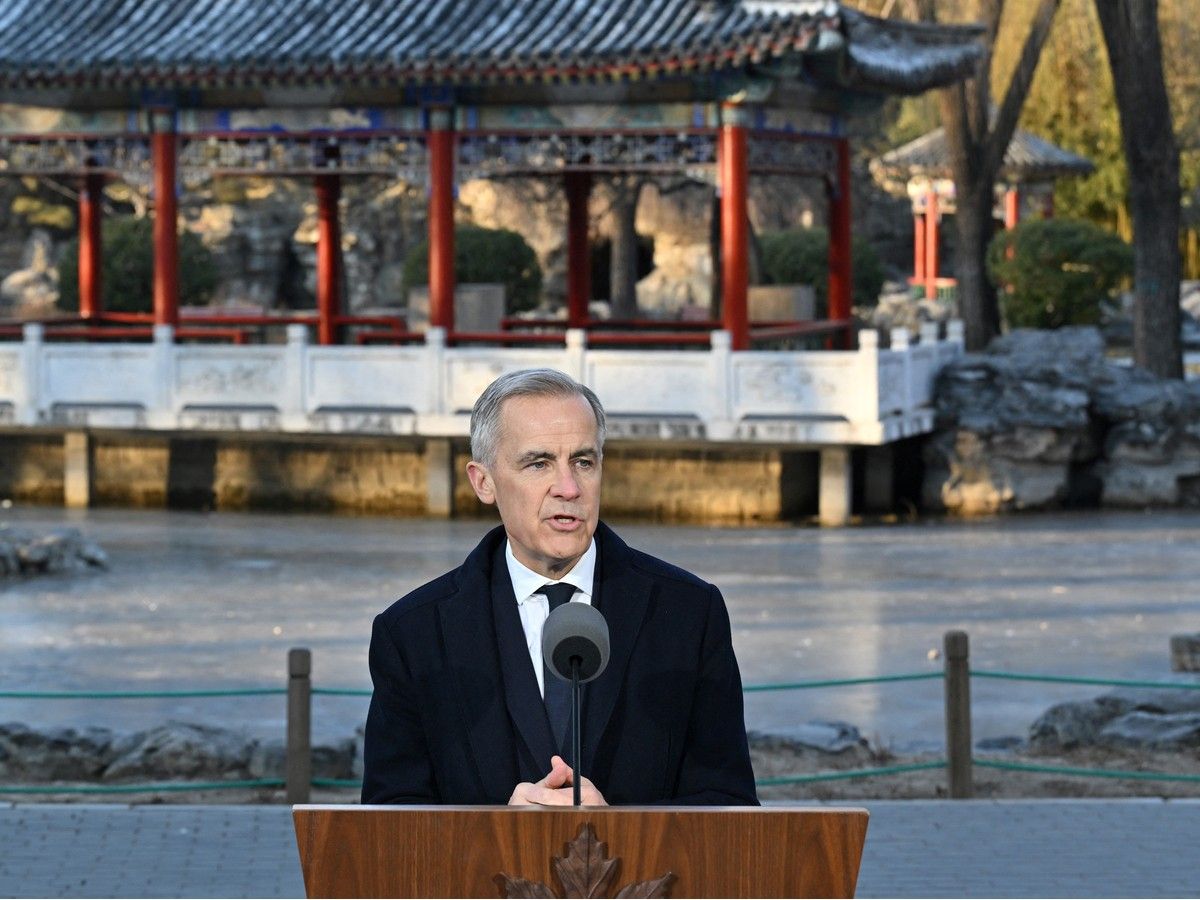
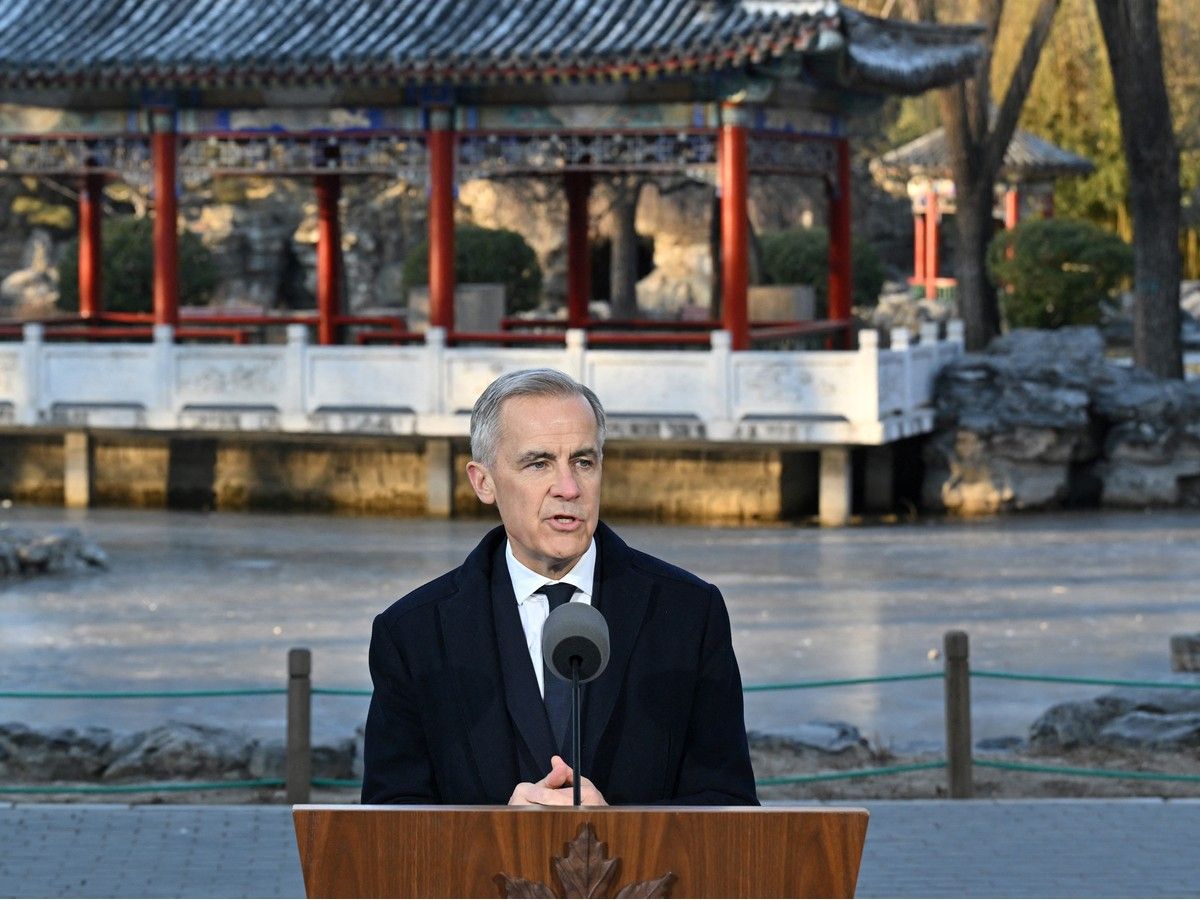
That trade war and the surtax ended earlier this year after the Carney government reached a deal with Beijing to allow 49,000 Chinese EVs (about 3 per cent of the Canadian market) into the Canadian market at a tariff rate of 6.1 per cent. In exchange, China agreed to drop its tariffs on Canadian seafood and some key agricultural products.
National Post
Our website is the place for the latest breaking news, exclusive scoops, longreads and provocative commentary. Please bookmark nationalpost.com and sign up for our daily newsletter, Posted, here.