
Newsletter Subscribe
Enter your email address below and subscribe to our newsletter

Enter your email address below and subscribe to our newsletter

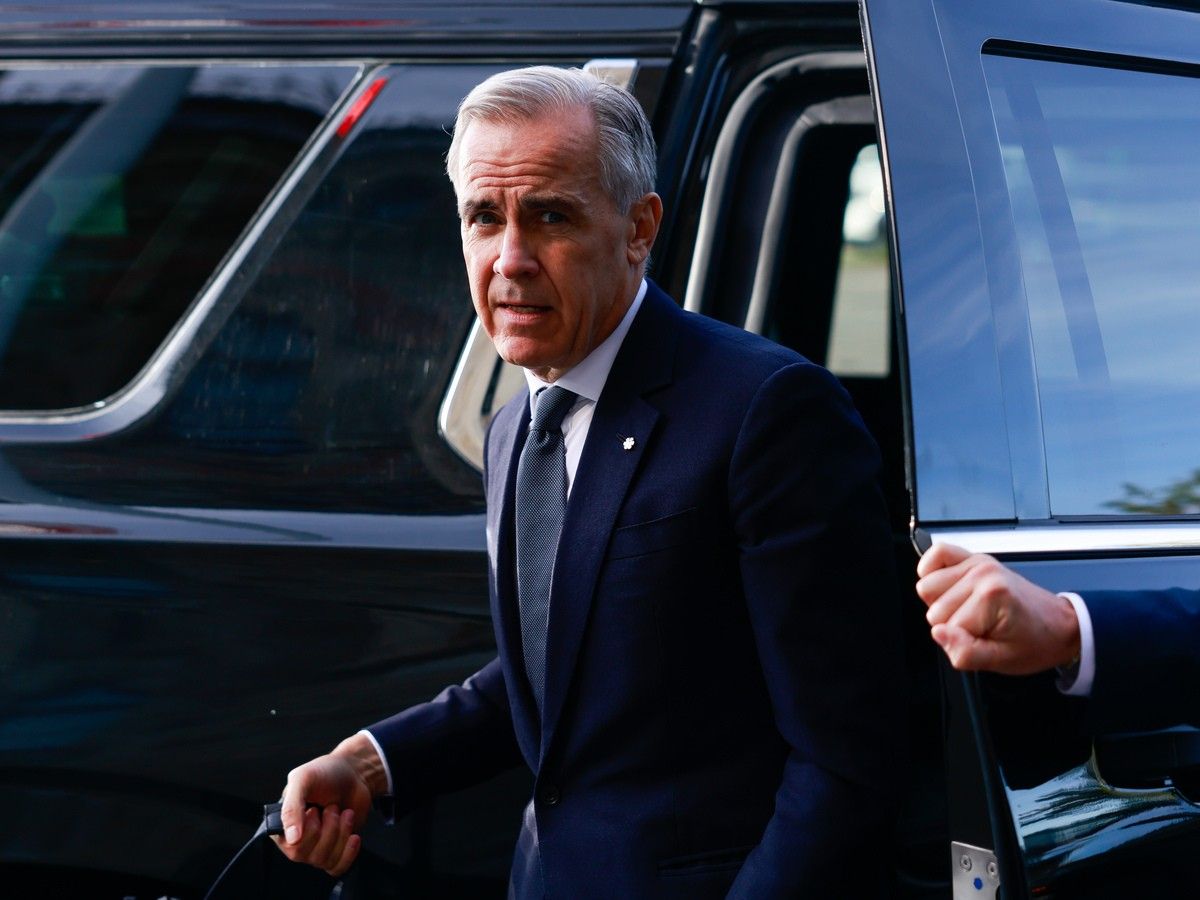
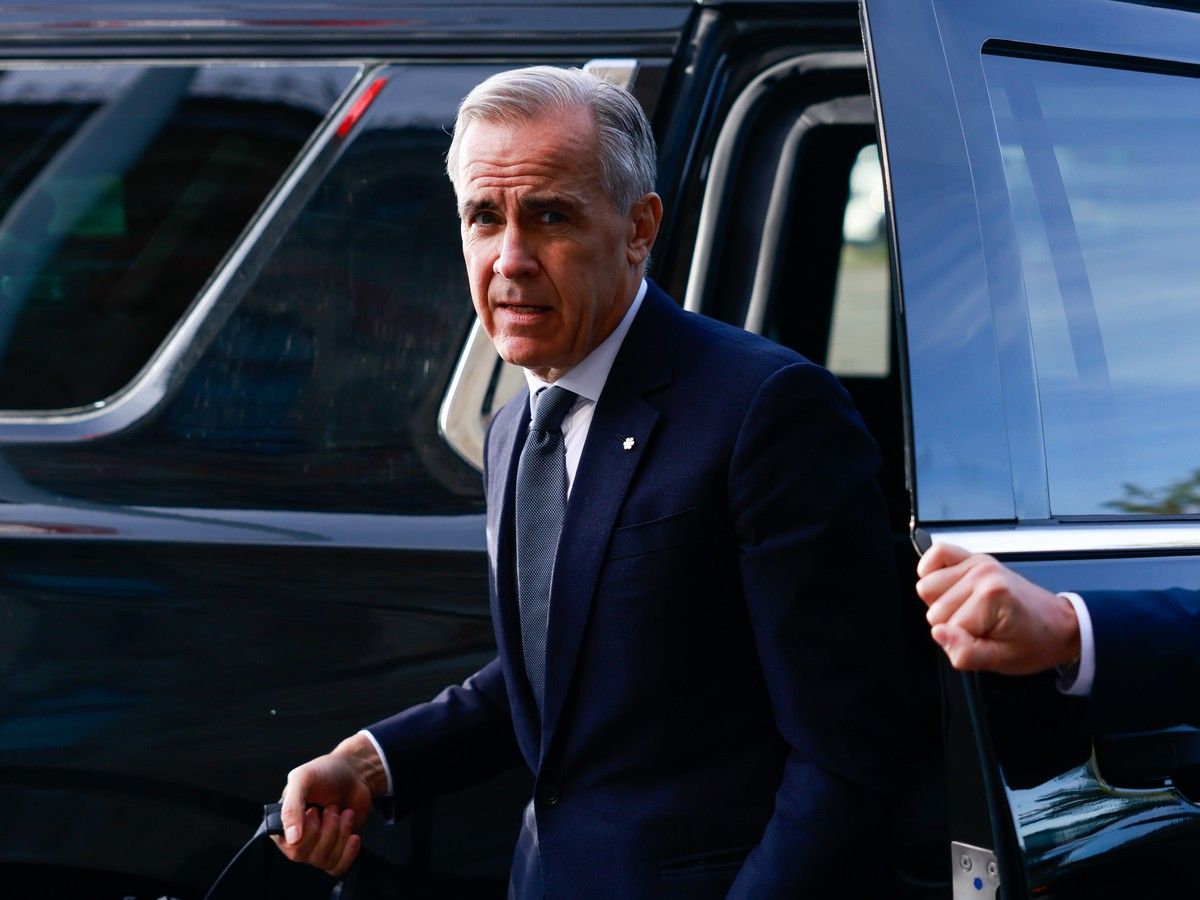
OTTAWA — The federal government tabled legislation that fundamentally reorganizes how it approves major projects, promising a “one project, one review, one year” process all the while implementing sweeping changes to Canadian labour rules around collective bargaining and work stoppages.
Prime Minister Mark Carney’s government tabled a new omnibus Bill C-39, the Building Canada Strong Act, on Monday afternoon.
The bill aims to designate yet-unspecified areas as “regions of national interest” in which major infrastructure projects would receive the same fast-track approval process as those deemed to be “projects of national interest” under legislation (Bill C-5) passed last year.
It also removes the responsibility of conducting impact assessments for major energy and nuclear projects away from the Impact Assessment Agency of Canada and puts it into the hands of specialized bodies: either the Canada Energy Regulator or the Canadian Nuclear Safety Commission.
“This will provide a better look at the project as a whole, and lead to more efficiency and less consultation fatigue in the consultation process,” said one senior public servant during a background technical briefing for reporters.
The government adopted almost all the proposals it included in a series of discussion papers published through the spring, with consultations extending throughout the summer.
The bill also proposes significant changes to how federally-regulated industries — transportation, telecommunications and banking, for example — negotiate union contracts, mediate disputes and resolve work stoppages.
The bill would mandate parties to begin renegotiating a union contract six months before it expires if the previous negotiations were acrimonious or if the expiring deal lasted five years or more.
It also proposes yet-undefined monetary penalties for parties found to be negotiating in bad faith by a labour arbitrator, and compels union and employer representatives to attend the labour version of couples therapy (“relationship development work”) at the end of negotiations that included work stoppage or binding arbitration.
Unions have been vocally opposed to how the Carney Liberals wielded a controversial section 107 of the Canada Labour Code to prematurely end multiple strikes in the transportation sector, including one by Air Canada flight attendants in the summer of 2025.
The government looks to address that criticism by proposing two new “guardrails” to when it can invoke section 107’s power to order a federal labour arbitrator to end a work stoppage and resolve the dispute between employer and union.
“First, the consideration of a report from a special mediator, and second, the minister has to be of the opinion that a strike or lockout would adversely affect the national interest based on a national impact assessment,” said a senior government official during the briefing. The assessment would be conducted by the labour program at Employment and Social Development Canada (ESDC).
With Bill C-39, the government also looks to reorganize the administration of Canada’s biggest ports and create “national trade corridors” and a new “corridor council.” Its goal will be to “ identify what’s causing delays and bottlenecks in our supply chains and propose remedies,” the officials said during the briefing.
Speaking to reporters Sunday alongside Norwegian Prime Minister Jonas Gahr Støre, Carney described the upcoming bill as “the most consequential economic legislation certainly of this parliamentary session, arguably over the course of the next few years.”
Before the bill was tabled, Bloc Québécois Leader Yves-François Blanchet denounced any move by the Liberals to curb workers’ right to strike or mandate binding arbitration to parties in a labour conflict.
He said it was much better that the government be forced to “grow a spine” and table special back-to-work legislation if it wants to end a strike and face the music in Parliament.
“The State must be an mediator between the interests of the workers and large industry. What we fear is that the government will abandon that responsibility in one direction, to the benefit of industries that know that, in general, arbitrators… generally rule in favour of employers,” he said.
National Post
cnardi@postmedia.com
Our website is the place for the latest breaking news, exclusive scoops, longreads and provocative commentary. Please bookmark nationalpost.com and sign up for our politics newsletter, First Reading, here.