Newsletter Subscribe
Enter your email address below and subscribe to our newsletter

Enter your email address below and subscribe to our newsletter

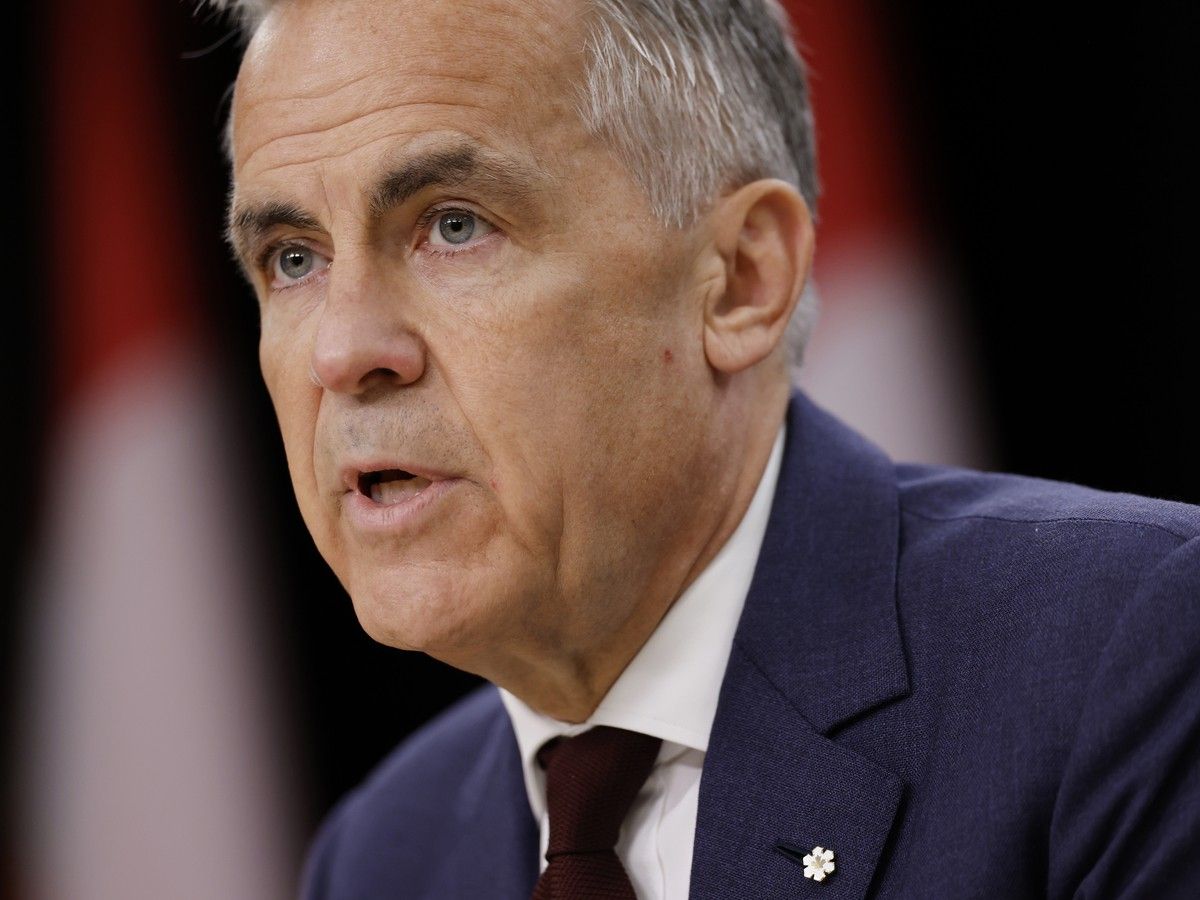
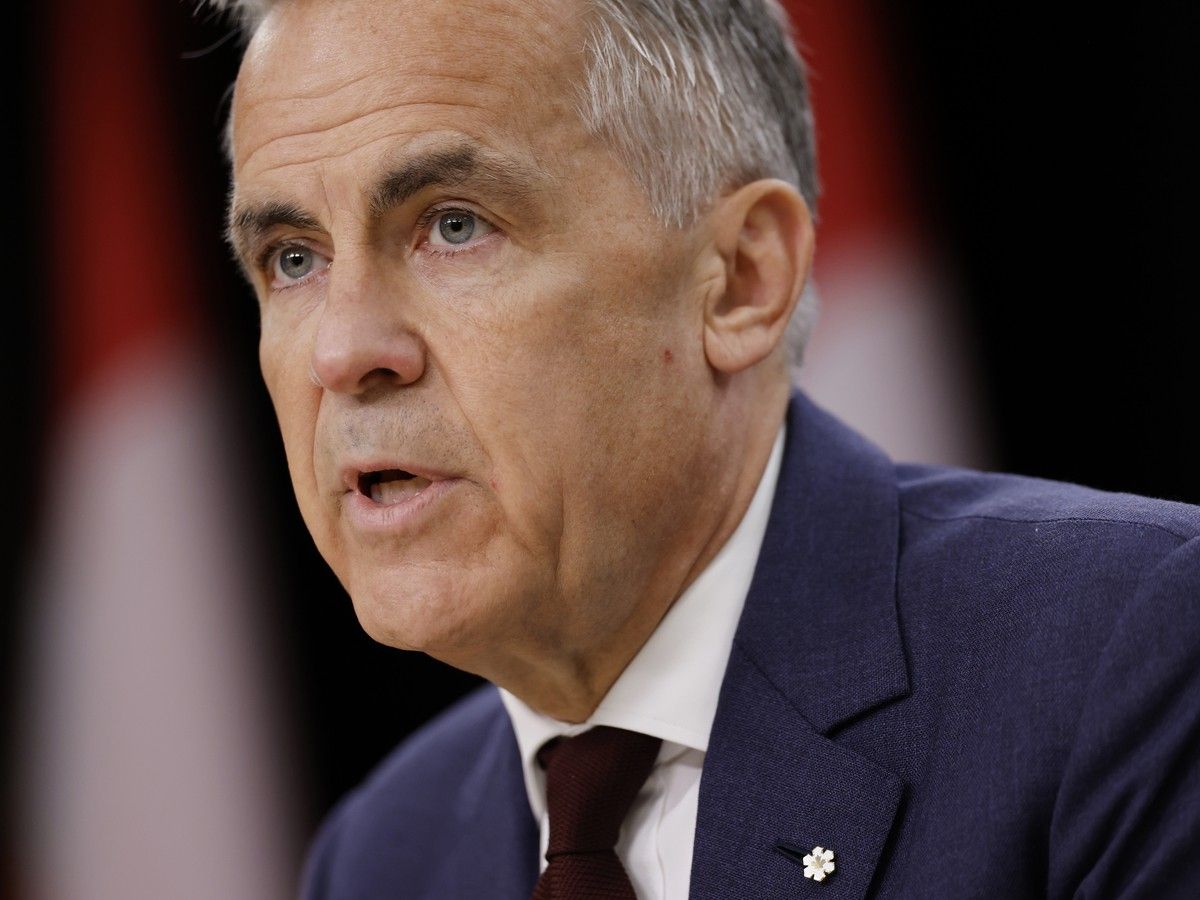
OTTAWA — Prime Minister Mark Carney warned Thursday that “years of uncertainty” could flow from Alberta’s upcoming referendum, which asks residents whether they want to hold a binding vote on independence.
Carney drew comparisons to the outcome of the United Kingdom’s vote to leave the European Union made exactly a decade ago as of this past Tuesday in a referendum, the results of which have rocked the country’s economy and its politics.
“This is a real referendum,” he said of the question being posed to Albertans on Oct. 19.
“It’s not, you know, (a) question about a question, free option. It’s a dangerous bluff.”
Carney, who was serving as Bank of England governor when the U.K. decided to leave the European Union, told reporters during an end-of-session press conference on Parliament Hill on Thursday that he had a front row seat to what he said was “sold” during that 2016 debate on leaving.
He described those arguments as being, “that everything is going to be easy, that you can keep your passport, you can keep the currency, you can stay in the country and leave it at the same time.”
“You see what’s happened in the United Kingdom. It’s very reminiscent. At a minimum, it’s years of uncertainty before the subsequent question comes, right at a time the world is fundamentally uncertain,” Carney says.
“Right at a time Alberta and Canada, Quebec, Ontario, the territories, the whole country, are moving to the forefront, right at the time when we’re seen as one of the most trustworthy, reliable, desirable countries to do business with, and we shouldn’t mess that up.”
Carney’s comments come as he prepares to head to Alberta next month to attend the Calgary Stampede and works to implement parts of a deal he struck with Alberta Premier Danielle Smith that paves the way for the possible construction of a new million-barrel-a-day oil pipeline to the West Coast, in exchange for Alberta agreeing to increase its carbon price charged on heavy industries.
The prime minister, who was raised in Edmonton, has previously referred to Smith’s choice to put an independence question on the ballot as a “dangerous bluff.”
That past remark drew the ire of some Opposition Conservative MPs, including party leader Pierre Poilievre, whom represents the rural Alberta riding of Battle River-Crowfoot. Poilievre, who was raised in Calgary, has committed that his party will campaign for “ a strong Alberta within a united Canada.”
Speaking on Thursday, Poilievre said Albertans must be provided with “hope” about how their lives can improve by staying within Canada.
“Look, the thing’s happening,” he said. “We have to deal with it. At the end of the day, I wish it weren’t happening, but it is, and I’m going to make the case for Canada.”
Smith, who has been criticized by fellow premiers like Manitoba’s Wab Kinew and Ontario’s Doug Ford over putting an independence question on the ballot, has said she did so after thousands of Albertans signed their names to petitions on the issue and a decision by an Alberta court to quash a petition campaign from a separatist group over the province’s failure to consult First Nations.
The Alberta premier panned the court decision as “undemocratic” and pledged that her United Conservative Party government would appeal the ruling, while bringing forward an independence question in the meantime.
That question asks Albertans whether the province should remain in Canada, “or should the Government of Alberta commence the legal process required under the Canadian Constitution to hold a binding provincial referendum on whether or not Alberta should separate from Canada?”
It is set to appear as part of a series of other questions being asked in the same referendum on proposed constitutional reforms and immigration.
In a statement on Thursday, Smith reiterated that her government supports Alberta remaining a part of Canada.
“Let’s remember that 700,000 Albertans signed one of two petitions asking for a referendum on this issue. This is a decision for Albertans—not Ottawa—and Albertans’ frustrations have been fueled by the last 10 years of disastrous policies from Ottawa under his predecessor, Justin Trudeau,” she said.
“I would also remind all Canadians that we should not dismiss the legitimate grievances of Albertans. Instead, we should focus on addressing these issues, restoring hope in Canada, and demonstrating that our country can work and is working.”
Emergency Management Minister Eleanor Olszewski, the lone federal cabinet minister from Alberta, has expressed disappointment over Smith’s decision, saying the uncertainty stemming from U.S. tariffs calls for national unity and that “ it’s not the time” to bring such a divisive question forward.
Recently, her former chief of staff Morgan Breitkreutz joined Carney’s office earlier this month as a special senior advisor, with a focus set on Alberta.
National Post
Our website is the place for the latest breaking news, exclusive scoops, longreads and provocative commentary. Please bookmark nationalpost.com and sign up for our politics newsletter, First Reading, here.