Newsletter Subscribe
Enter your email address below and subscribe to our newsletter

Enter your email address below and subscribe to our newsletter


Chicago teams have always sold more than results. Their biggest athletes become measuring sticks, style references, debate starters and memory anchors for fans who may never live near the United Center, Soldier Field or Wrigley Field. That is why a Bulls guard from the 1990s, a Blackhawks captain from Winnipeg and a teenage hockey prospect from British Columbia can all sit inside the same conversation.
For Canadian readers, Chicago is not just another American sports city. It is close enough to feel familiar, big enough to feel mythic and layered enough to matter across basketball, hockey, football and baseball. The city’s athletes travel through highlight reels, national broadcasts, documentaries, fantasy pools and family arguments about what greatness should look like.
For Canadian readers, following Chicago athletes can be even more exciting when there’s something on the line. If you want to back your favorite player or add an extra layer of excitement to the game, exploring Saskatchewan sports betting options can make every matchup even more engaging. Regardless of how you choose to watch, the real appeal still comes from what these athletes do on the field, court, or ice.
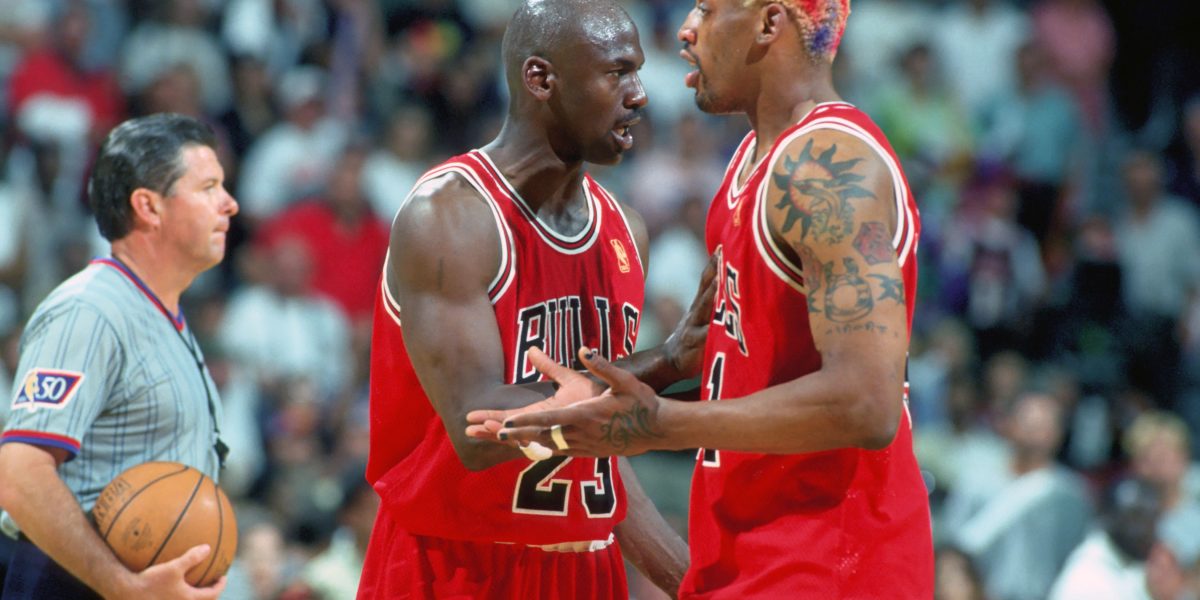
Michael Jordan is the obvious starting point because his Chicago story moved far beyond basketball. Six championships, five regular-season MVP awards and six Finals MVP awards created the hard record. The larger imprint came from how his game, branding and playoff moments gave fans a shared language for dominance.
That matters in Canada because Jordan became bigger than local allegiance. A Raptors fan, a hockey-first viewer in Saskatchewan or a kid watching old Bulls clips online can understand the shorthand immediately. When someone says a player has “Jordan-like” control of a moment, they are usually talking about more than scoring.
Jordan also built the Chicago athlete template: elite performance, visible personality, clear visual identity and repeatable signature moments. The fadeaway, the No. 23 jersey, the hand switch against the Lakers and the final shot in Utah all became portable references. They do not require a Chicago zip code to make sense.
Chicago’s most memorable athletes are not identical. Some were champions, some were cultural symbols and some became compelling because of what they represented to a specific fan base. The pattern is that each gave people a simple way to understand a bigger sports idea.
| Athlete | Chicago team | Cross-border reference point | Why it matters to readers |
| Michael Jordan | Bulls | Global basketball excellence | Shows how individual dominance can redefine a franchise |
| Scottie Pippen | Bulls | Two-way support inside a dynasty | Reminds fans that legacy is rarely built alone |
| Derrick Rose | Bulls | Local hero, explosive peak, resilience | Turns injury, expectation and loyalty into a human story |
| Jonathan Toews | Blackhawks | Canadian captain in a Chicago Cup era | Connects Canadian hockey identity with a U.S. Original Six market |
| Connor Bedard | Blackhawks | Canadian prospect carrying a rebuild | Shows how modern attention starts before a player’s prime |
The table shows why Chicago sports exports so well. It does not depend on one league or one decade. The city keeps producing athletes who turn into reference points for different kinds of fans.
For basketball readers, Jordan and Pippen represent the dynasty model. Rose represents the fragile beauty of a peak that felt almost too fast to last. For hockey readers, Toews and Bedard create a different bridge, one rooted in Canada’s player-development culture and Chicago’s historical weight as an NHL market.
Canadian fans often view Chicago through a dual lens. Basketball followers see the Bulls as a global brand that made the NBA feel unavoidable in the 1990s. Hockey followers see the Blackhawks as a historic franchise that has repeatedly placed Canadian players in high-pressure roles.
That makes Connor Bedard especially interesting. He arrived in Chicago not as an anonymous rookie, but as a player many Canadian fans had already tracked through junior hockey, international tournaments and draft coverage. By the time he put on a Blackhawks jersey, the story had already crossed provincial lines.
Jonathan Toews created a different kind of connection. A Winnipeg-born captain leading a Chicago team gave Canadian viewers an easy emotional entry point into a U.S. franchise. He was not simply “playing in America.” He was carrying traits Canadian hockey culture tends to recognize quickly: responsibility, composure, defensive detail and playoff steadiness.
This is why Chicago athletes can feel familiar even from far away. Their stories fit into existing Canadian sports habits, then add the scale of a major American market.
Not every star travels. Some are excellent in the moment but fade from wider conversation. The Chicago athletes who last usually check several boxes:
That last point is crucial. Jordan did not become a reference point because Bulls fans admired him. He became one because everyone else needed a way to talk about what he was doing. Bedard’s case is still developing, but the early interest works the same way: fans outside Chicago watch because his career may help define what the Blackhawks become next.
Bedard is not Jordan, and framing him that way would be unfair. The useful comparison is not about achievements. It is about attention pressure.
Jordan inherited a Bulls team that needed a center of gravity. Bedard entered a Blackhawks rebuild with a similar need for direction, even if the sport, timeline and expectations are different. In both cases, a young player became the easiest way for outsiders to understand where a Chicago franchise might be heading.
For Canadian readers, Bedard adds another layer. He is not just a Chicago prospect. He is a Canadian player whose development has been watched through a national lens, from junior hockey to the NHL draft and into the early years of his professional career. That makes his Chicago story feel partly local to Canada, even while it belongs to the Blackhawks.
The better way to watch him is with patience. Great reference points are not created by hype alone. They need seasons, adversity, teammates, tactical growth and moments that survive beyond a news cycle.

Chicago’s sports identity is built on contrast. It has glamour and frustration, dynasties and rebuilds, old buildings and modern media, loyal local crowds and global recognition. That combination makes its athletes easy to export.
Jordan gave Chicago a global basketball language. Pippen showed how a dynasty needs structure around its brightest star. Rose turned a short peak into a lasting emotional connection. Toews gave Canadian hockey fans a captain they could recognize inside a U.S. market. Bedard now gives a new generation a reason to track Chicago again.
That is the real cross-border pattern. The teams matter, but the athletes make the story portable. Chicago becomes a place where greatness, pressure and identity are tested in public, and Canadian fans have plenty of reasons to keep watching.
The post How Chicago Athletes Became Cross-Border Sports Reference Points appeared first on ChiCitySports.