Newsletter Subscribe
Enter your email address below and subscribe to our newsletter

Enter your email address below and subscribe to our newsletter


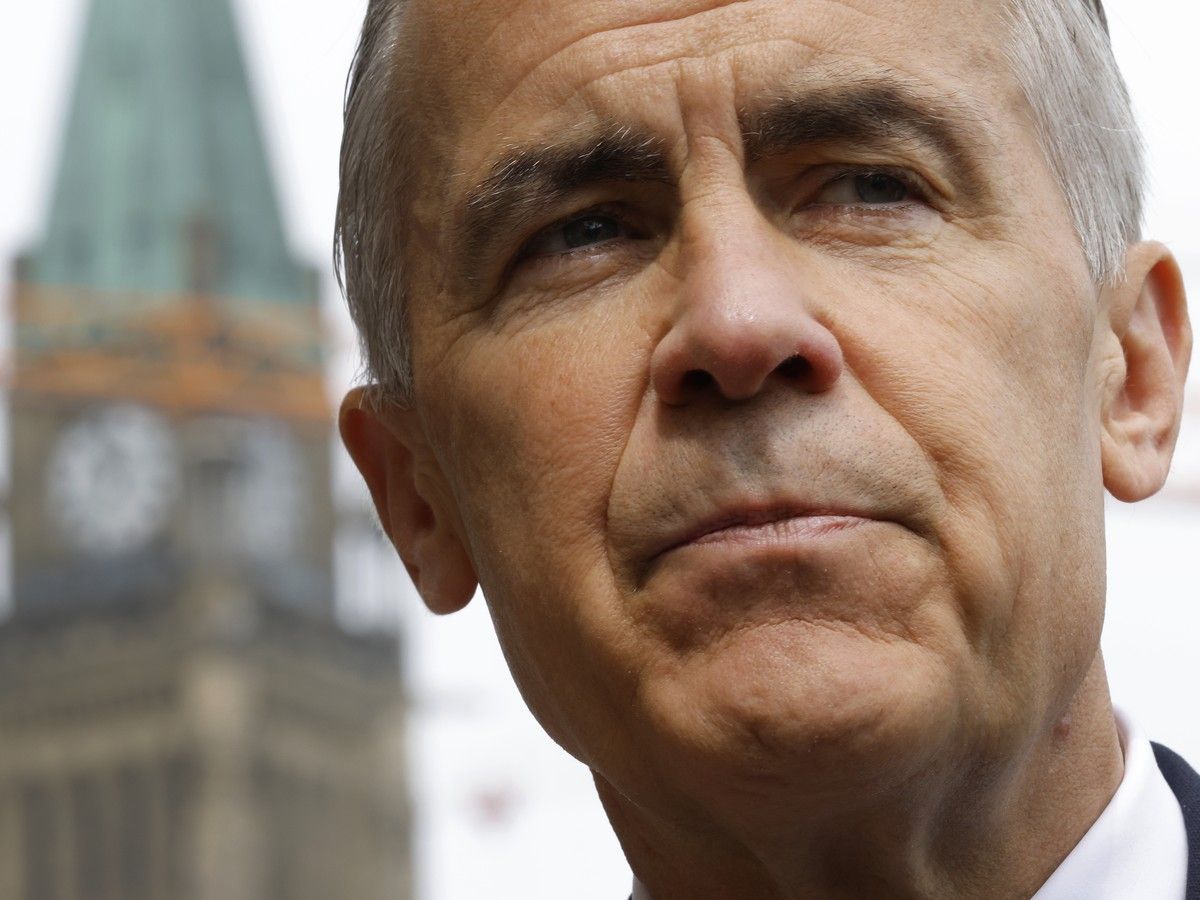
OTTAWA – Prime Minister Mark Carney did not rule out retaliation in response to U.S. President Donald Trump’s latest tariff threat on a number of Canadian goods, part of the latest escalation of the U.S.-Canada trade conflict.
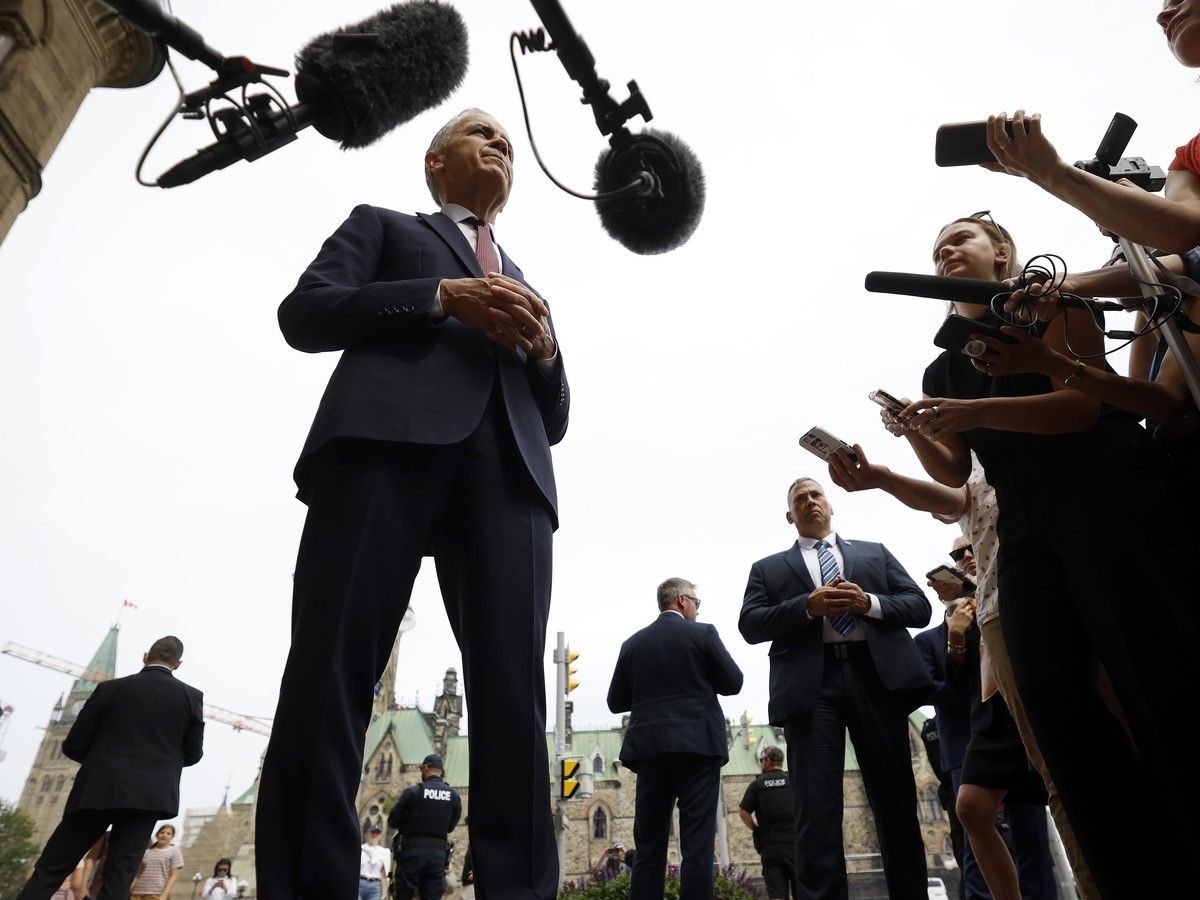
“We have a situation where the American tariffs, the 338 tariffs, will come into effect in 29 days, and we will look at all options in terms of how we would respond if they do come into effect,” Carney told reporters in Ottawa on Tuesday.
“When I say we will do whatever it takes, and keep all options, obviously it’s a comprehensive point,” the prime minister added.
On Monday, the U.S. administration announced it intends to apply a 50 per cent tariff on certain Canadian goods in response to what it views as Canada’s unfair trade practices when it comes to dairy quotas, U.S. alcohol bans in some provinces, and tariffs quotas on American autos.
U.S. President Donald Trump used Section 338 of the Tariff Act of 1930, with the levies set to take effect on Aug. 19. The new tariffs will not apply to potash, energy, fish, or other goods already facing separate sector-specific tariffs. The Section 338 tariffs will also apply to CUSMA-compliant goods.
Carney said he spoke with the president on Tuesday morning, and they agreed to “intensify negotiations in the coming weeks.”
The prime minister said Canada-U.S. Trade Minister Dominic LeBlanc will convene the Canada-U.S. Advisory Council Tuesday afternoon.
Carney also said he will host a call with the premiers Tuesday to discuss Trump’s latest trade action and will be meeting with them in-person on Wednesday for the first ministers’ meeting in Charlottetown.
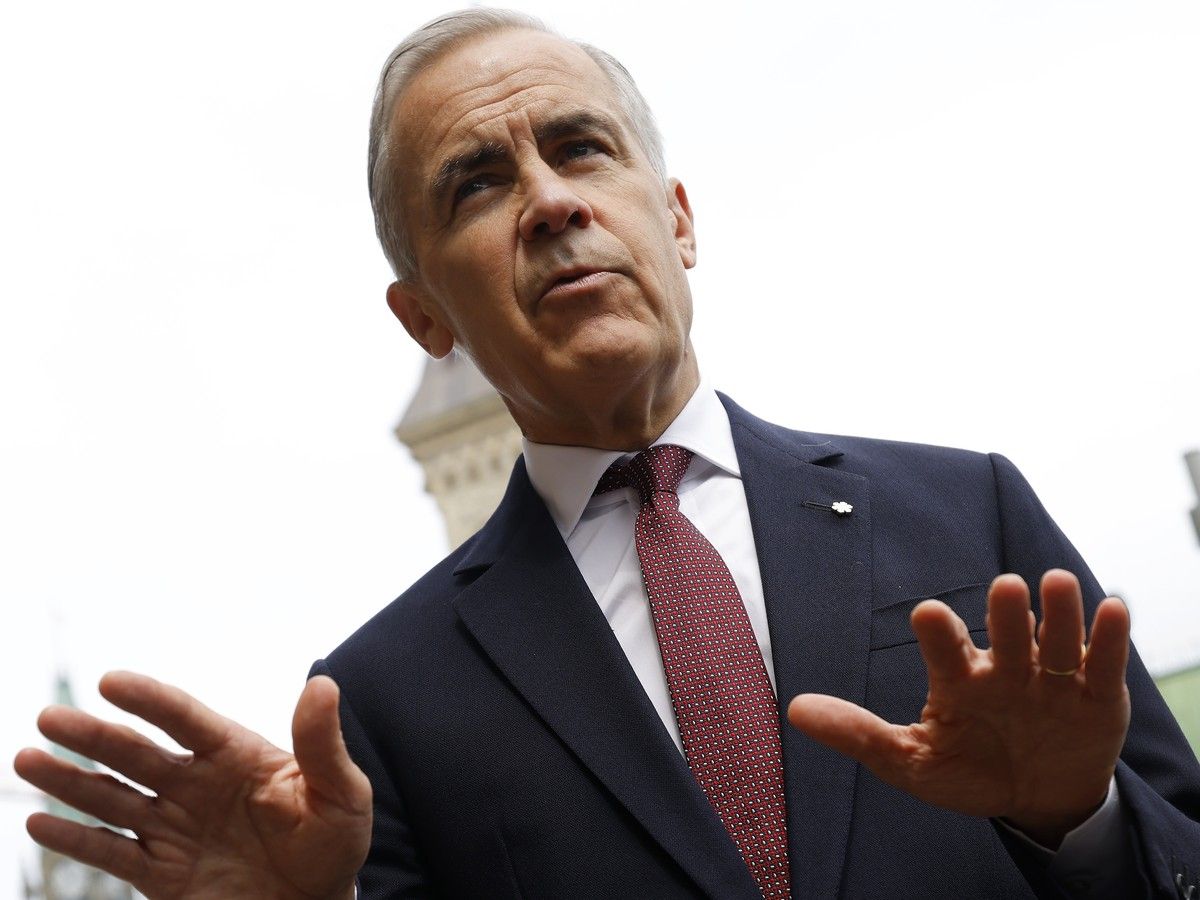
“I would say as well that throughout this time, we have made a series of comprehensive and detailed proposals about how to modernize CUSMA, recognizing the transition that the U.S. is underway … with all its trading relationships, including with Canada and Mexico,” said Carney.
When asked whether his government plans to make more concessions to move the CUSMA discussions forward, the prime minister said Canada’s sticking point in its negotiations with the Americans remains the Section 232 tariffs that apply to Canadian aluminum, forest products, steel, automobiles and pharmaceuticals.
“Those first four being the most important for the Canadian economy, and that we don’t want a partial agreement,” said Carney. “We want something that addresses those sectors as well, so that it’s a viable approach going forward.”
Speaking to reporters on Tuesday, Trump said Canada has been very tough on the U.S. for many years and no president has done anything about it.
“They need us to survive,” the president said in the Oval Office. “Without us there’s no way they can survive.”
Trump and members of the U.S. administration have been very vocal about their opposition to the boycott of U.S. alcoholic products by provincial liquor commissions in every province except Saskatchewan and Alberta. A White House fact sheet published on Monday said Canadian imports of U.S. alcohol have decreased by 81 per cent between March 2025 to February 2026.
On Monday, Ontario Premier Doug Ford and B.C. Premier David Eby were adamant about keeping the boycotts in their provinces in place, unless there is movement on U.S. tariffs.
Carney said that it is up to provinces to decide when to lift those bans.
“The decision to change that first and foremost would be taken by the provinces themselves, each individually, and should only be taken, in my judgment, as part of an overall agreement, and that’s what we’re working with,” he added.
More to come…
Our website is the place for the latest breaking news, exclusive scoops, longreads and provocative commentary. Please bookmark nationalpost.com and sign up for our politics newsletter, First Reading, here.