Newsletter Subscribe
Enter your email address below and subscribe to our newsletter

Enter your email address below and subscribe to our newsletter

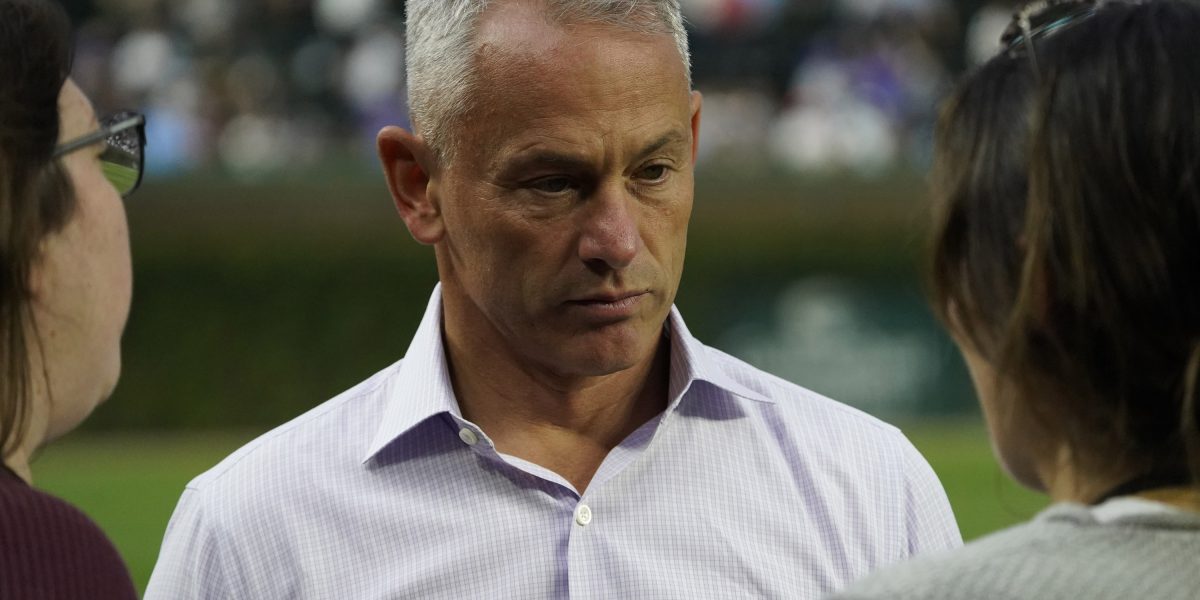

The Chicago Cubs made a splash with their trade deadline haul this season. By the 5 pm CT cutoff on Monday, the team had five new pieces to their puzzle and had, ostensibly, filled the gaping holes that needed to be filled en route to a serious postseason run.
More News: Why Chicago Cubs fans gave Kyle Tucker brutal Wrigley reception
Walking away from the deadline, the Cubs added Kevin Gausman from the Toronto Blue Jays, Clay Holmes and Tyrone Taylor from the New York Mets, Braxton Garrett from the Miami Marlins, and Ryan Zeferjahn from the Los Angeles Angels. In return, Chicago gave up several prized prospects, including Jefferson Rojas, Moises Ballesteros, Jonathan Long, and Mason McGwire.
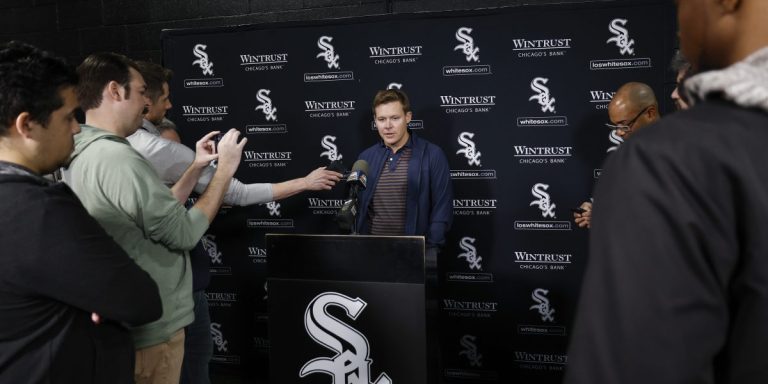
Overall, Cubs president of baseball operations Jed Hoyer is being rightfully hailed for his bold trade deadline moves. But there are still some questions remaining after the haul. Here are four of the biggest:

More News: Chicago Cubs: What it would’ve taken to get Tarik Skubal
On Monday, the Cubs got two major-league rentals—Holmes and Taylor—from the Mets for their push to the playoffs. In return, they gave away a young, highly-regarded, high-ceiling prospect. It’s almost the exact same scenario as 2021 when the Cubs traded Javier Baez and Trevor Williams to the playoff-aspiring Mets for a 19-year-old Pete Crow-Armstrong. Could this recent swap be the Mets’ payback for that fail?
The 21-year-old Rojas, ranked no. 2 in the Cubs system, is a legit talent with a real big league upside, especially when it comes to offense. In a couple of years, when Holmes and Taylor are long gone from Chicago, could the Cubs be looking back at Rojas as the Mets now look back at PCA?

Holmes is exactly the type of pitcher that profiles well with the Cubs’ stellar defense behind him. And although the veteran is finishing up a rehab assignment in the minors after suffering a fractured right fibula earlier in the season, he’s expected to do quite well in Chicago.
But Holmes’ player option for 2027 is a serious point of concern for the Cubs and their fans who worry that he could very well be just a rental asset.
These days, most players with options decide to become free agents. But given the uncertainties related to a pending labor dispute and the feeling that much of the season might be lost because of it, dynamics have changed.
Could Holmes decide to exercise his $12 million option for 2027, play out whatever part of the season remains, and then opt for free agency in 2028 when the market would be more stable? That’s a distinct possibility, especially considering that he was reportedly willing to talk extension with the Mets before being traded. The Cubs are likely hoping for that to be the case.

Ian Happ will still see the lion’s share of playing time in left field, but it’s pretty clear at this point that the team acquired Tyrone Taylor to take Happ’s at bats versus lefties. Happ is batting a meager .158 versus southpaws this season, while Taylor is hitting .301 against them. Taylor is also very good defensively, so the Cubs don’t really lose that much with him playing left instead of the four-time Gold Glover.
The bigger question for Happ, though, centers around next season when he becomes eligible for free agency. Would the Cubs bring him back after basically designating him as a platoon player this season? How will this affect his free agent asking price overall? Since Seiya Suzuki will also be a free agent, will this latest development make it more likely that the team picks Suzuki if facing a “can’t sign them both” scenario?

In just a matter of a day or so, the Cubs have gone from having a starting pitching deficiency to having a surplus. With Gausman and Holmes moving in, the rotation is now Gausman, Holmes, Matthew Boyd, Shota Imanaga, Colin Rea, Javier Assad, and David Peterson. And with Edward Cabrera slotted for his second of three minor league rehab starts on Wednesday, the five-man rotation will soon enough consist of eight pitchers.
Make no mistake about it, having too much starting pitching is a good problem to have. But the situation will require some creative roster management.
Assad and Rea will probably go back to the bullpen first, with Peterson joining them after Cabrera comes back. Then, of course, the bullpen will need to be trimmed to accommodate the three repurposed starting pitchers.
Come playoff time, the real advantage of having a pitching surplus will kick in—unlike last season when the Cubs essentially hobbled into the postseason with two, arguably three, reliable starters.
The post Chicago Cubs: 4 big questions following the trade deadline haul appeared first on ChiCitySports.