For the first time in a long time, the Chicago Cubs approached the MLB trade deadline with the urgency, decisiveness, and financial muscle of a franchise that knows exactly what it is: a big‑market team with big‑market expectations.
And after last year’s passive, frustrating deadline, Jed Hoyer finally delivered the aggressive, targeted action Cubs fans have been waiting for.
This wasn’t a half‑measure. This wasn’t prospect hoarding disguised as prudence. This was a front office acknowledging reality — and acting on it.
Chicago entered deadline day with a rotation stretched to its limits and a bullpen that had been asked to survive far too many high‑leverage innings. Injuries, inconsistency, and a lack of internal depth made the Cubs one of the clearest “buyer‑needs‑pitching” teams in baseball.
Hoyer responded with exactly the moves a contending team should make: a legitimate starting pitcher to stabilize the rotation and a real bullpen arm capable of handling late‑inning pressure. And they are actual reinforcements.
It all started on Sunday, when they acquired Kevin Gausman from the Toronto Blue Jays in exchange for two minor-league hitters, Brett Bateman and Ty Southisene.
Then on Monday, the Cubs were very active in their quest for more pitching. Cubs insider Michael Cerami reported that they acquired starting pitcher Reid Detmers from the Los Angeles Angels. However, it was quickly refuted by ESPN insider Jesse Rogers. They instead acquiredLHP Braxton Garrett from the Miami Marlins in exchange for the minor league 1B Jonathon Long and RHP Jace Beck.
They still did end up making a deal with the Angels, but instead of Detmers, they acquired hard-throwing reliever Ryan Zeferjahn from the Los Angeles Angels in exchange for catcher/DH Moisés Ballesteros and minor league pitcher Mason McGwire. Hoyer put a finishing touch to the trade deadline by acquiring pitcher Clay Holmes and outfielder Tyrone Taylor from the New York Mets for top prospect Jefferson Rojas.
The front office finally matched the clubhouse’s effort
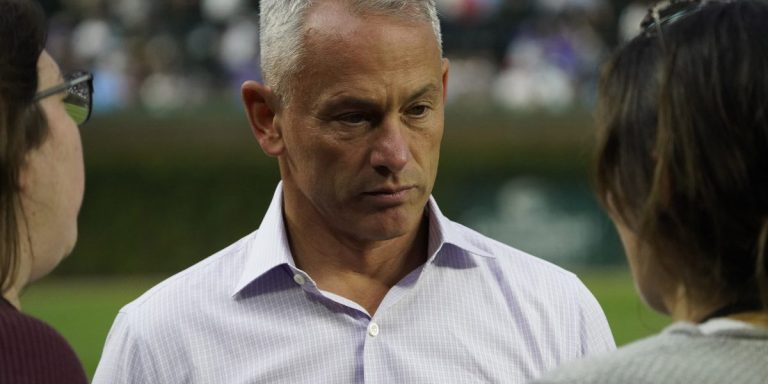
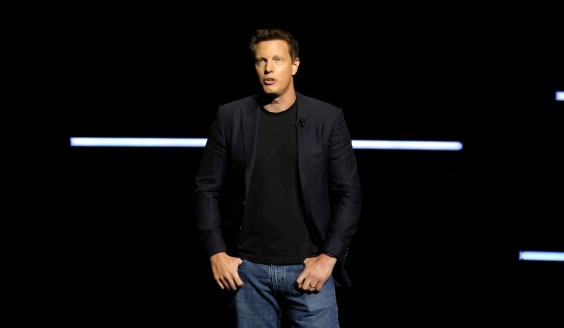
Nov 8, 2023; Scottsdale, AZ, USA; Chicago Cubs president of baseball operations Jed Hoyer speaks to the media during the MLB General Manager’s Meetings at Omni Scottsdale Resort & Spa. Mandatory Credit: Mark J. Rebilas-USA TODAY Sports
This Cubs team has flaws, but it also fights. They’ve stayed atop in a crowded NL Wildcard race while battling through injuries and slumps. They’ve shown enough to deserve help.
On Monday, Hoyer sent a message to the clubhouse: your effort is being rewarded, and your season matters. That’s not something players forget. It’s not something fans forget either. It is night and day from last year’s deadline, when Hoyer largely stood pat despite glaring roster needs.
But this year, Hoyer acted like an executive who understood what was at stake. Both the front office and the ownership finally acted like a big‑market operation after being criticized in the past.
Giving up both Ballesteros and Rojas could come back to haunt Hoyer in the future. But he managed to keep Matt Shaw, Pedro Ramirez, and top catching prospect Owen Ayers also.
He could have waited for many pitchers, who are currently on the IL to come back. But he addressed the rotation. He strengthened the bullpen. He treated the deadline like an opportunity and with urgency.