Newsletter Subscribe
Enter your email address below and subscribe to our newsletter

Enter your email address below and subscribe to our newsletter

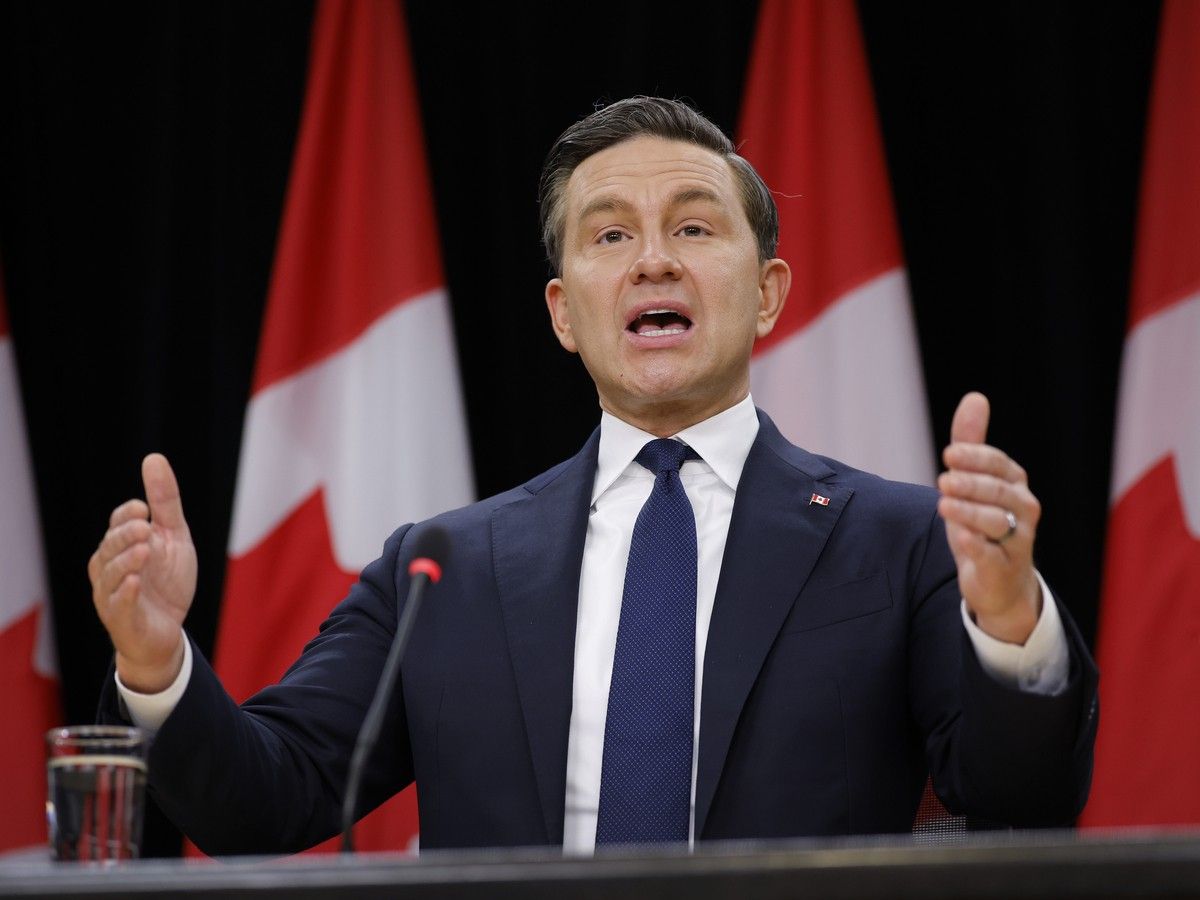
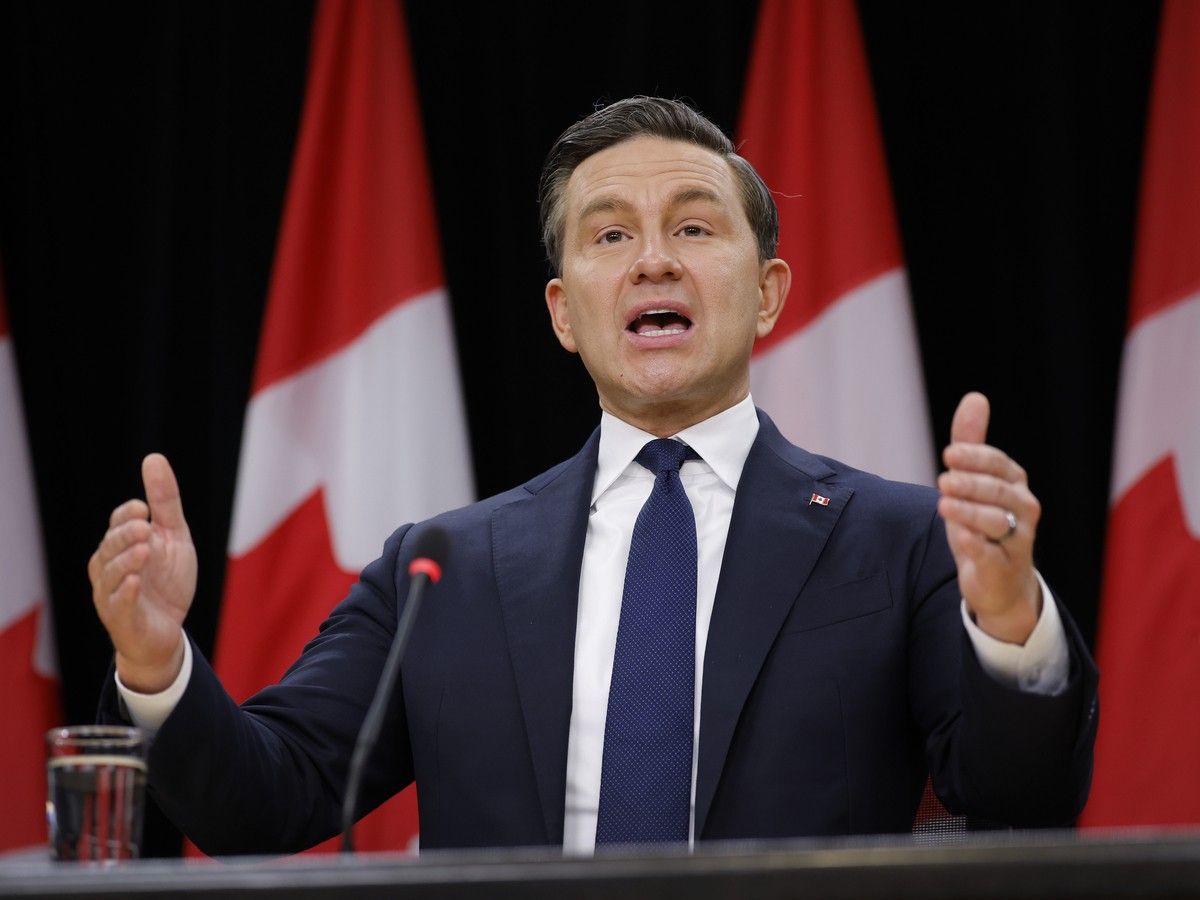
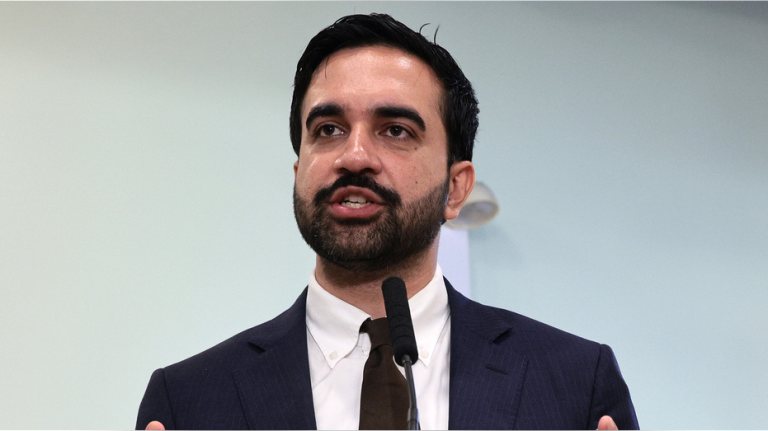
OTTAWA – Conservative Party Leader Pierre Poilievre said the prime minister should focus on results in U.S. trade talks and should stop pre-emptively giving up concessions to the Americans.
“I think Mr. Carney needs to actually focus on the results that he promised, he promised he would have a deal by July 21st, 2025,” he said, during a press conference in St. John’s, N.L., on Thursday.
“A year and a half later, I don’t understand the strategy of making concession after concession after concession before even getting to the negotiating table,” Poilievre added.
Prime Minister Mark Carney spent Thursday in Saguenay, Que., a region hit hard by Section 232 tariffs on aluminum and lumber.
Carney said there are “many options” on how a trade deal with U.S. could be organized, in response to a question on whether quotas for Canadian steel and aluminum in the U.S. market are on the table.
“We’re in a negotiation, so there are many options in terms of how a deal could be structured,” he told reporters, after touring an aluminum plant.
“But if I focus on the aluminum sector, the facts are that since the Americans put their tariffs in, their first tariffs on primary aluminum, the price of aluminum in the United States has gone up 58 per cent,” Carney added.
Carney’s remarks come just one day after U.S. President Donald Trump called Canada’s leadership “nasty” during a speech in Las Vegas.
“Whatever adjective is used, yes, we’re standing up for Canadian workers, Canadian businesses, as we always have from the start,” said Carney, after laughing at the president’s comments and characterizing the negotiations as tough.
Canada-U.S. Trade Minister Dominic LeBlanc and Chief Trade Negotiator Janice Charette met with United States Trade Representative Jamieson Greer again on Thursday in Washington, as the two countries have intensified talks in recent weeks after the U.S. administration threatened a 50-per-cent tariff on $29 billion worth of Canadian goods a few weeks ago.
Trump used Section 338 of the Tariff Act of 1930, with the levies set to take effect on Aug. 19. The new tariffs will not apply to potash, energy, fish or other goods already facing separate sector-specific tariffs. However, they will apply to CUSMA-compliant goods.
Carney said Canadian negotiators remain focused on providing tariff relief for all strategic sectors, including aluminum, steel, autos and lumber. On Wednesday, Carney said he was “very involved” with current negotiations.
The U.S. for its part, has singled out Canada’s dairy quotas, U.S. alcohol bans in some provinces and tariff quotas on American autos, as trade irritants. Canada’s Online Streaming Act is also a point of contention for negotiators.
Greer has floated that he would like to see interim agreements with Mexico and Canada on a number of bilateral trade irritants by the end of 2026, before turning to more structural talks related to the North American trade pact next year.
Carney was asked whether he intends to protect dairy supply management during trade negotiations, with the dairy industry representing an important part of the Quebec economy.
The prime minister said his party remains “loyal” to the supply management system and pointed to the party’s choice for Liberal candidate in the upcoming byelection in Chicoutimi—Le Fjord, Daniel Gobeil, who is a farmer and former chair of Les Producteurs de lait du Québec.
Poilievre was asked what’s at stake if Canada does not reach a deal by Aug. 19. The Conservative leader replied there will continue to be job losses in strategic sectors and in sectors that are subject to the latest tariff threat.
“We’re calling on him (Carney) to take the leverage that he has not yet squandered, take it to the bargaining table, and get something in return for a change, and that is cancellation of tariffs, renewed tariff-free access to the United States of America,” said Poilievre.
Carney has not ruled out retaliation, should the new U.S. tariffs take effect, but has said he will not cut oil exports to the U.S. in response to the new levies.
National Post
Our website is the place for the latest breaking news, exclusive scoops, longreads and provocative commentary. Please bookmark nationalpost.com and sign up for our newsletters here.