Newsletter Subscribe
Enter your email address below and subscribe to our newsletter

Enter your email address below and subscribe to our newsletter

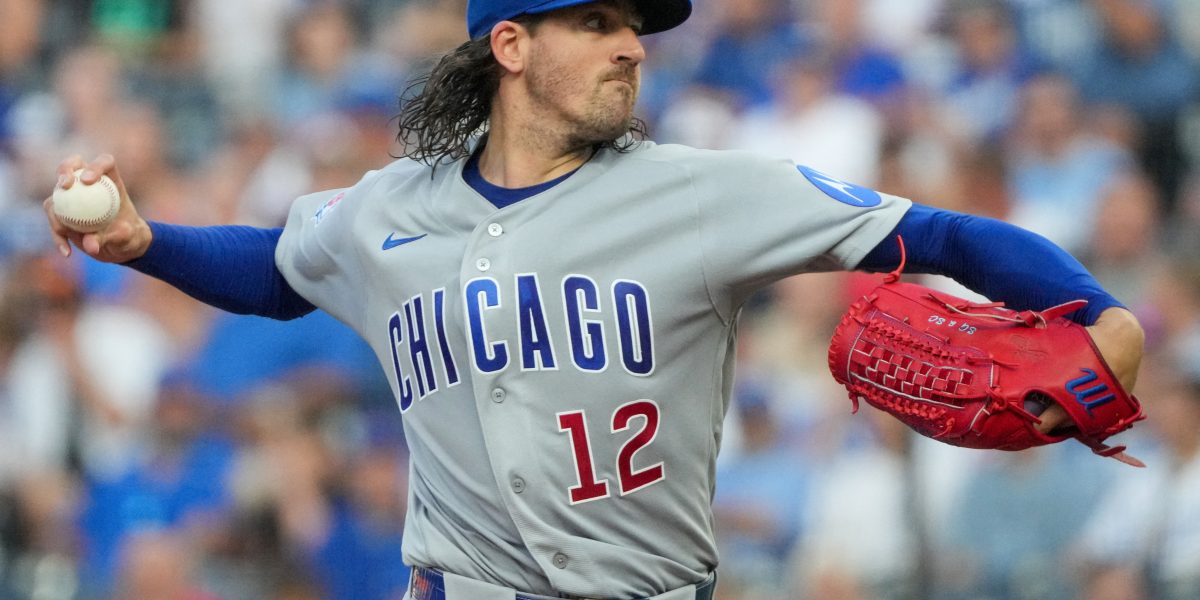

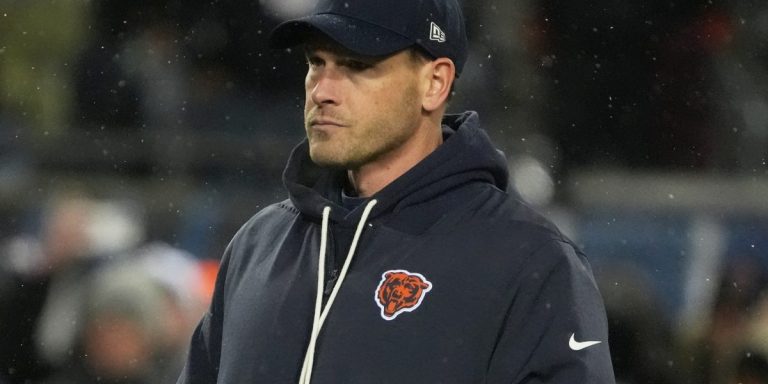
After an aggressive trade deadline, Jed Hoyer has addressed their pitching need. He has also put the Chicago Cubs in a prime position to make a potential deep run in the playoffs.
He acquired veteran starters Kevin Gausman, Clay Holmes, and Braxton Garrett, and reliever Ryan Zeferjahn. In addition, he can also look forward to some of the injured pitchers currently on the IL returning before the end of the season.
But if there is something to complain about the trade deadline, Hoyer could not acquire a controllable starting pitcher who could stabilize the rotation now. They also need someone to anchor it for years to come. He said it publicly. Moreover, he said it last year too.
After pursuing Reid Detmers, José Soriano, George Kirby, and Emerson Hancock, Hoyer ultimately walked away with only Braxton Garrett — a talented but injury‑prone left‑hander from the Miami Marlins.
Soriano was dealt to the Toronto Blue Jays for three minor leaguers. One of them was shortstop Arjun Nimmala, their 2023 1st-round pick. In fact, he is also a top-50 prospect in baseball according to many experts.
When Detmers was reportedly traded to the Cubs, many Cubs fans were ecstatic. But within less than 10 minutes after the news broke, many experts, led by ESPN’s Jesse Rogers, confirmed the Cubs had not acquired Detmers. It was also reported that after trading Soriano, the Angels decided to nix any deal involving Detmers. Instead, the Cubs settled for reliever Ryan Zeferjahn.

It is hard to tell whether the Cubs liked Detmers more than Soriano and were willing to pay a similar price as Toronto did for Soriano. They were willing to pay. And yet, they missed out on controllable pitching for the second consecutive season. If they can’t acquire Detmers, Kirby, Hancock, or Soriano, perhaps they need to develop their own.
However, it is easier said than done. The Cubs’ minor‑league pitching pipeline has been thin for years. It’s the single biggest flaw in the organization’s long‑term roster construction. Their top pitching prospect, Jaxon Wiggins, has had right elbow inflammation and severe control struggles this season.
Hoyer responded by drafting 16 pitchers this year, 15 of them from college. This year’s draft was hopefully the first real step toward fixing them. Yet, it might take at least a year or two to see if any of them are capable of pitching in the MLB.
Further complicating things for the Cubs is that there are many starting pitchers who will become free agents at the end of the season. Notably, these include Shota Imanaga, Matthew Boyd, and three pitchers Hoyer recently acquired: David Peterson, Kevin Gausman, and Clay Holmes.
Gausman and Boyd hit age 36 next season, Imanaga and Holmes turn 34, and Peterson reaches 32. The Cubs might still have to re‑sign a few of them, age concerns or not.
Garrett could still be a useful addition. But he missed the entire 2025 season due to Tommy John surgery. And his 2026 season consists of just two MLB games. While he’s controllable through 2028, this is purely a shot-in-the-dark type of move.
Until they can develop their own pitching pipeline, the Cubs will keep coming up empty at the deadline despite their best efforts.
The post Jed Hoyer wanted controllable pitching but the deadline exposed the Cubs’ biggest problem appeared first on ChiCitySports.