Newsletter Subscribe
Enter your email address below and subscribe to our newsletter

Enter your email address below and subscribe to our newsletter

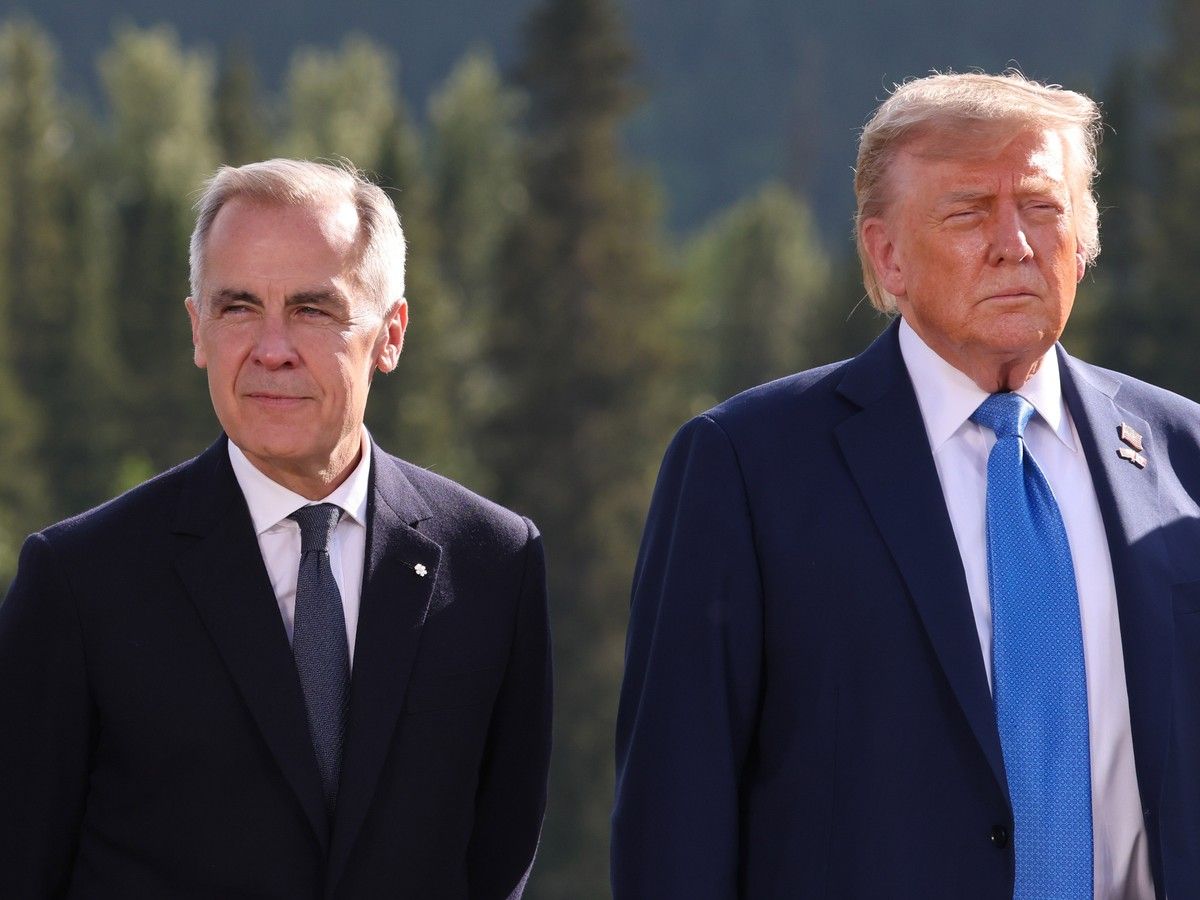
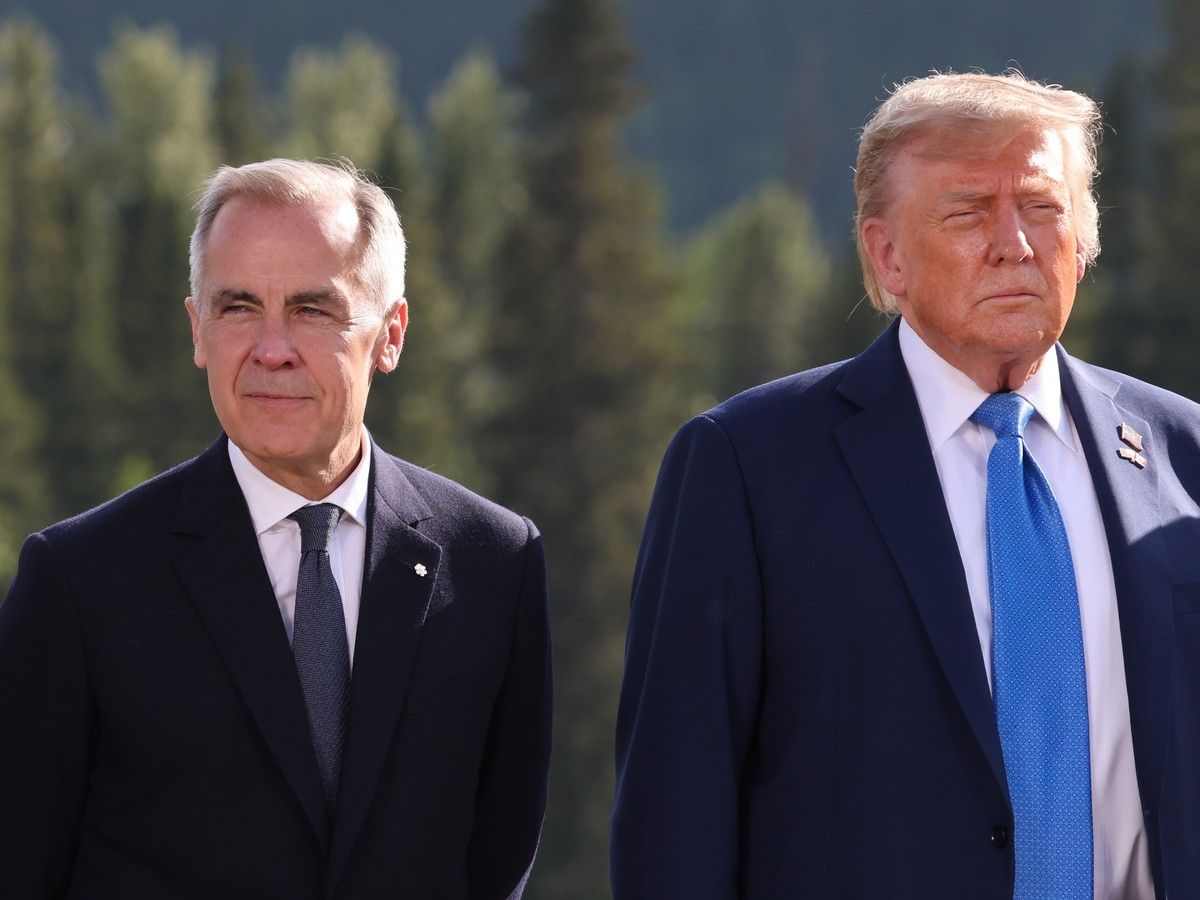
Less than two hours before 50 per cent tariffs were scheduled to hit a range of Canadian goods, U.S. President Donald Trump announced he is pausing the levies for three days, based on a pending trade deal . And the development comes as Canadians weigh in on what should happen next.
A new Leger poll found that nearly half of Canadians surveyed (47 per cent) believe a federal election should be called if a new Canada-U.S. trade agreement is reached, so voters can express their opinion on the deal. This compares to 35 per cent who do not think a federal election should be called in the event of a new deal, while 18 per cent were unsure.
Perhaps unsurprisingly, support for an election is strongest among Conservative voters, at 67 per cent, compared with 34 per cent among Liberal voters. Elsewhere, 51 per cent of Bloc Québécois voters and 45 per cent of NDP voters support calling an election.
When it comes to the details of a deal, the Leger poll found that the majority of Canadians want to limit concessions in trade negotiations and keep more aggressive responses on the table.
For example, 74 per cent support a special tax on electricity sold to the U.S., while 70 per cent support restricting U.S.-owned companies from bidding on Canadian government contracts and 70 per cent support taxing oil and natural gas exports.
Meanwhile, 64 per cent of Canadians support banning the sale of U.S. liquor in Canada, while 63 per cent favour taxing potash exports and 59 per cent support tariffs on a broad range of U.S.-manufactured goods.
Overall, 56 per cent of Canadians surveyed want the federal government to take a hard line and make no more concessions, compared with 31 per cent who favour flexibility if needed.
The survey asked Canadians about several possible concessions, with support for these falling short of a majority. While 46 per cent support opening passenger air travel to U.S. airlines, just 26 per cent support reducing supply management and 25 per cent favour greater U.S. access to Canadian banking.
On U.S.-made alcohol , which is seen by many as a key bargaining chip in trade negotiations, 33 per cent support fully resuming the sale of American alcohol across Canada.

However, the level of support for potential measures differs by region and demographic group. Among Quebecers, 61 per cent want the government to take a hard line and make no more concessions, compared with 46 per cent of Albertans.
And Conservative voters are generally more open to concessions than Liberal, NDP or Bloc Québécois voters — but even so, 51 per cent of Conservative voters still favour taking a hard line in the negotiations.
And it now appears a deal may be within reach, with Trump writing on Truth Social on Tuesday night: “I have paused the 50% Tariffs against Canada, that were scheduled to kick in tomorrow morning for a three day period, based on the fact that Canada and the U.S.A., subject to the finalization of documents, have a DEAL!”
Prime Minister Mark Carney, however, did not refer to a tentative deal in his own statement and did not outline which concessions, if any, Canada may have made.
“Substantial progress has been made, although there is important work still to be done,” Carney said. “Canada remains focused on building a stronger, more independent, and more competitive economy at home.”
My statement on ongoing Canada-U.S. trade negotiations: pic.twitter.com/rzWZJFYe8e
— Mark Carney (@MarkJCarney) August 19, 2026
The Leger survey also points to broader tensions in the Canada-U.S. relationship, with 43 per cent of Canadians believing the federal government should formally request that U.S. Ambassador Pete Hoekstra be recalled and replaced, compared to 19 per cent who disagree and 38 per cent who are unsure.
It comes after a parliamentary petition calling for Hoekstra’s removal has climbed beyond 235,000 signatures . The petition, which was drafted by Calgary resident Leanne Walker, accuses him of undermining Canada-U.S. diplomatic relations and normalizing “51st state” language.
“For Ottawa, that raises the stakes beyond simply reaching an agreement,” Leger says of the survey results. “Canadians are watching what the country gives up, how firmly the government negotiates and, for many, whether the final deal warrants a new political mandate.”
If a federal election were to be called, polls currently predict a Liberal win, with the latest Liaison Strategies federal tracker giving Carney’s party an 11-point lead over Pierre Poilievre’s Conservatives, while the PM’s approval has risen by three points to 60 per cent.
The latest Leger survey was conducted online from August 15 to 17, 2026, among 1,622 Canadian residents aged 18 and older. A probability sample of this size would have a margin of error no greater than ±2.4%, 19 times out of 20.
Our website is the place for the latest breaking news, exclusive scoops, longreads and provocative commentary. Please bookmark nationalpost.com and sign up for our daily newsletter, Posted, here.