Newsletter Subscribe
Enter your email address below and subscribe to our newsletter

Enter your email address below and subscribe to our newsletter


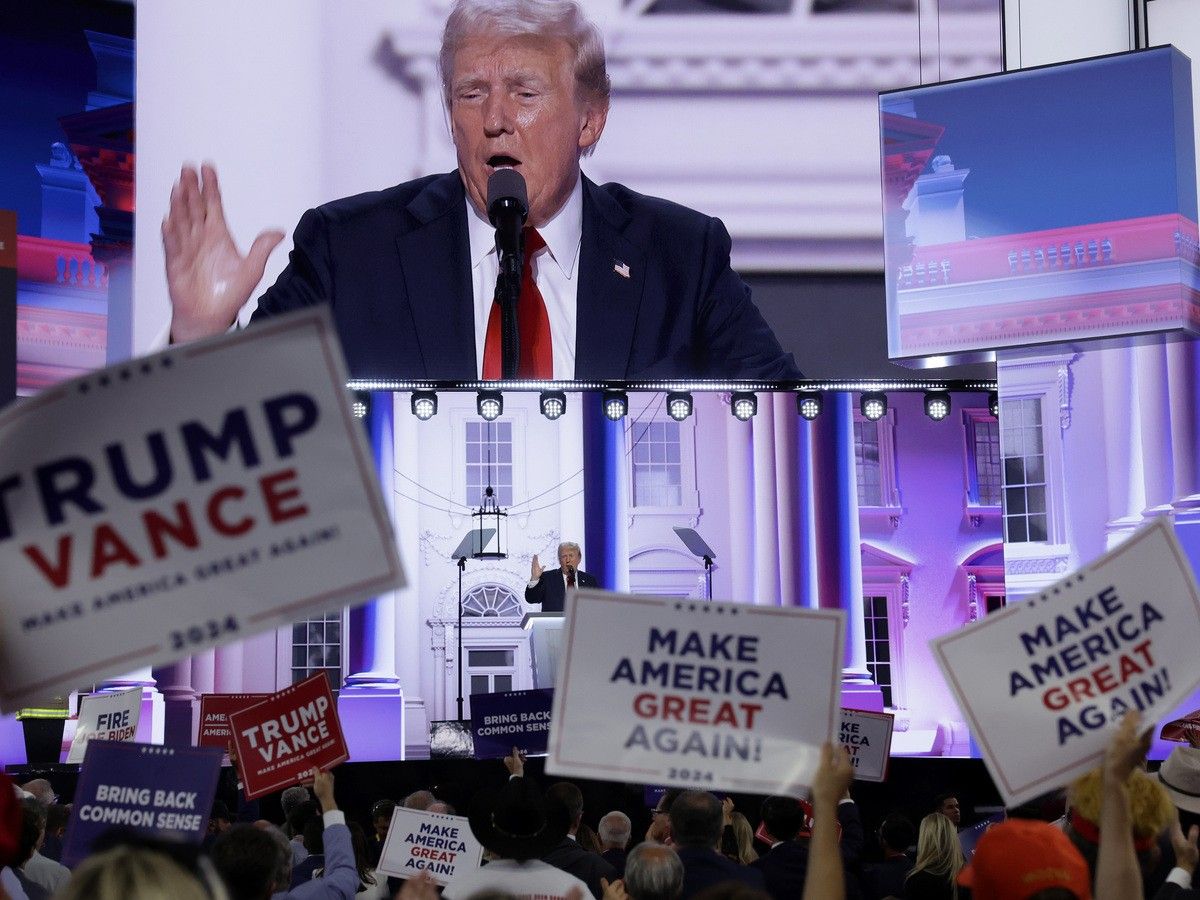
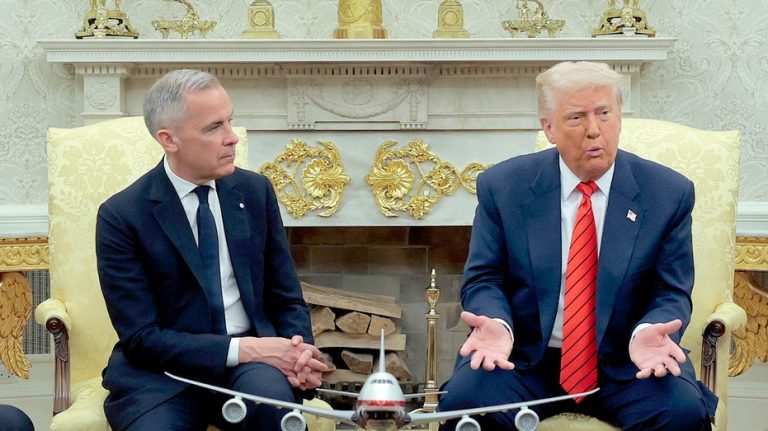
OTTAWA — U.S President Donald Trump’s Republican Party has revoked the CBC/Radio-Canada’s press access to its upcoming midterm convention, citing the public broadcaster’s now-reversed policy not to refer to 9/11 as “terrorism” without direct attribution, National Post has learned.
A CBC spokesperson confirmed Monday that the Republican National Convention (RNC) had revoked access for both CBC and Radio-Canada to its major party gathering on Sept. 9 and 10, ahead of key mid-term elections.
The unusual press credential revocation came following a week of controversy about an internal memo from the broadcaster reminding reporters and editors of a “longstanding language guidance” not to refer to the Sept. 11 attacks as “terrorism” without attribution.
In an email to National Post, Chuck Thompson, the CBC’s head of public affairs, said the public broadcaster is reviewing the RNC’s decision. “It is a disappointing development; we hope it will be reconsidered,” he wrote.
The RNC’s move also appears to be the latest attempt by Trump’s administration and party to fire salvos at Canada since free trade talks between Ottawa and Washington fell apart late last week.
It could suggest Trump’s Republican party is also looking beyond tariffs for ways to pressure Canada during the ongoing trade war.
The RNC did not respond to emailed queries by deadline Monday.
On Friday evening, following media reports about the broadcaster’s memo on the Sept. 11 attacks and ensuing criticism from both sides of the border, the CBC wrote in an editor’s blog that it had reversed the policy.
But earlier in the day, the RNC sent a heated letter to CBC/Radio-Canada revoking all the public broadcaster’s previous-approved press credentials to the upcoming major political gathering in Dallas, TX. The gathering is an important press event as it will unite Republican heavyweights on the eve of key U.S. mid-term elections.
In the missive, the RNC reprised much of the fiery criticism from Trump administration officials last week regarding the CBC’s former policy on the use of the unattributed use of the word terrorism around 9/11. (Radio-Canada did not have such an editorial policy.)
The letter cited social media posts stating CBC had instructed employees “do not refer to the Sept. 11 attacks as terrorist attacks.” It also claimed that the public broadcaster had refused to apologize for the policy.
The letter also said that allowing CBC/Radio-Canada to attend the convention would be an “insult” to victims of the worst terrorist attack in U.S. history.
In a blog post hours later on Friday, Basem Boshra, CBC’s senior director of journalistic standards and public trust, wrote that a leaked memo about the policy “has caused significant concern, anger and hurt for many people who believe CBC News seeks to minimize or obscure the horror of that day and who was behind it.”
“That is the last thing we want to do,” said Boshra, who is the senior director of journalistic standards and public trust of CBC News.
Asked if the public broadcaster’s reversal of its longtime policy was at all linked to the RNC’s decision to revoke its access to the convention, Thompson pointed to Boshra’s blog.
Shawn McCarthy, past president of World Press Freedom Canada, said this latest incident is part of the Trump Administration’s “hostile” approach to the news media.
“It’s in keeping with the Trump Administration’s efforts to control the press,” McCarthy said. “They have a horrible record when it comes to press freedoms.”
After Canada said it would respond to Trump’s earlier tariffs with a “dollar-for-dollar” tariff response on American goods, Trump took the unprecedented move of invoking the 1930 Tariff Act to launch another round of tariffs against Canada.
Ontario Premier Doug Ford responded by calling for a united response from Canada’s provinces, including threats to cut or tariff electricity and critical minerals.
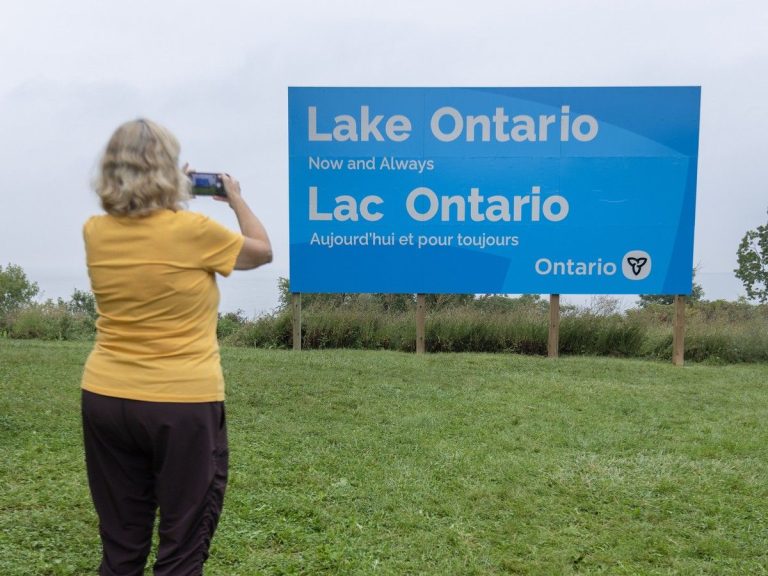
Trump responded by insulting Ford and later signed an order directing the U.S. government to refer to Lake Ontario as Lake America.
The revocation also raises concerns as to how the White House and Republican Party may try to exert further control on foreign Canadian journalists reporting in the United States.
For example, last month the U.S. government announced it was drastically cutting down visa duration times for foreign journalists from five years to 240 days. That means foreign reporters, including Canadians reporting from the U.S., will have to renew their work visas every eight months and risk having to leave the country if it is not renewed.
The RNC’s move against CBC-Radio Canada is also the Trump administration’s latest attempt to punish reporters or their employers by denying credentials.
Reports over the weekend said journalists from at least three large American news outlets – The New York Times, Bloomberg News and The Wall Street Journal – were denied credentials to cover the Group of 20 finance meeting next week in North Carolina.
The event is intended to gather finance ministers and central bankers from the world’s leading economies at a critical time, with the global economy under threat from Trump tariffs, wars in Iran and Ukraine
National Post
Our website is the place for the latest breaking news, exclusive scoops, longreads and provocative commentary. Please bookmark nationalpost.com and sign up for our politics newsletter, First Reading, here.