Newsletter Subscribe
Enter your email address below and subscribe to our newsletter

Enter your email address below and subscribe to our newsletter

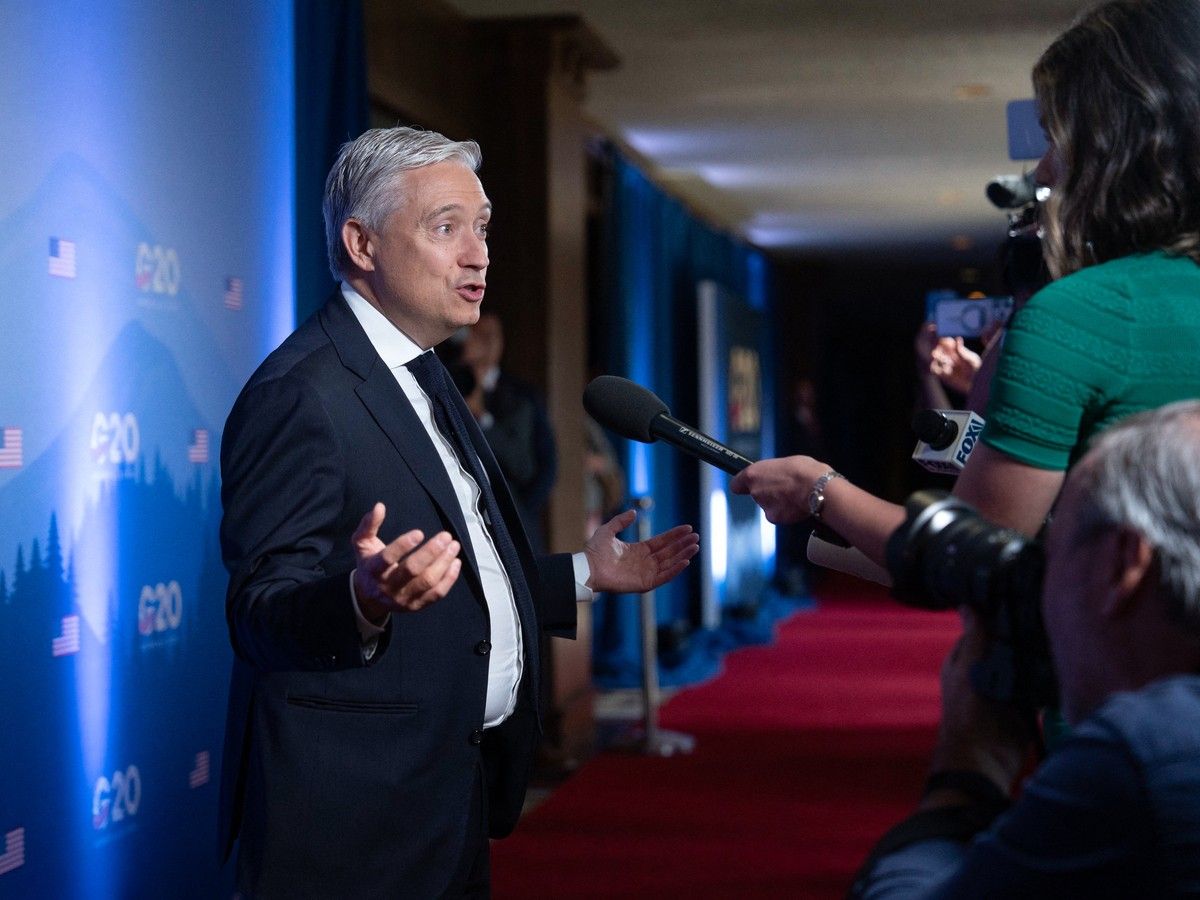
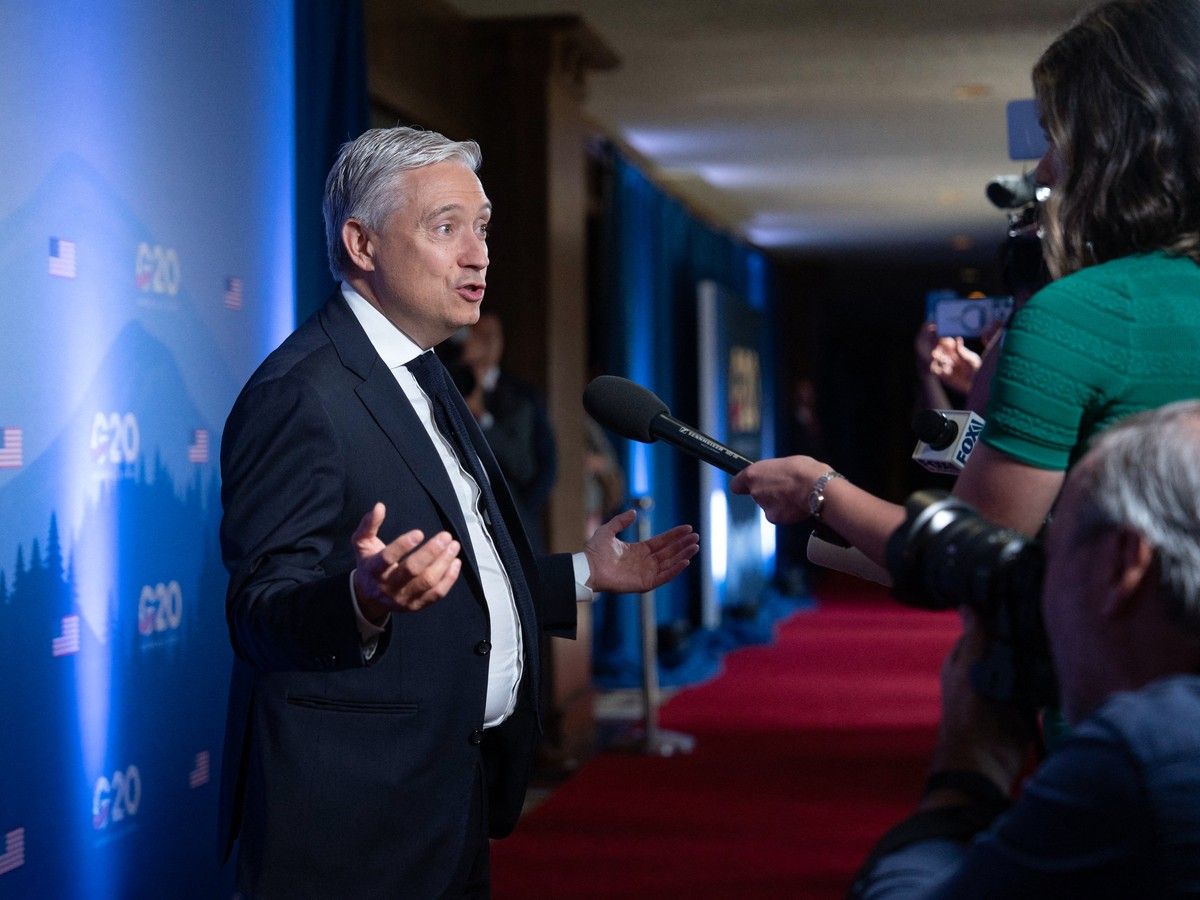
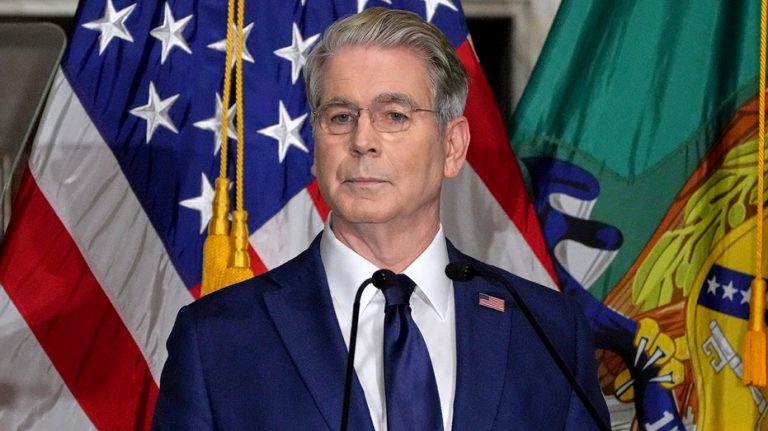
OTTAWA — Finance Minister François-Philippe Champagne announced on Wednesday an extension of the gas tax holiday until the end of January. After that, the government intends to return the tax to half of its regular rate before resuming fully on April 1, 2027.
The previously announced pause on the federal fuel excise tax was set to end on Sept. 7, adding 10 cents per litre of gas and four cents per litre of diesel and aviation fuel after Labour Day.
Finance Minister François-Philippe Champagne told reporters that the government can afford the move because the national economy is resilient and higher global oil prices have meant more government revenue.
Canadian motorists didn’t cause the conflict in Iran, he said at a press conference at a Canadian Tire in Ottawa, and they shouldn’t have to absorb a steep financial burden. “We’re building the Canada of today and tomorrow.”
Prime Minister Mark Carney announced the pause on the tax in April as the conflict between the United States and Iran sparked an increase in gas prices.
But higher gas prices are of course not popular with voters and the return of the federal gas tax would have added to pump prices when they’re already at a peak. Polling showed that nearly two-thirds of Canadians disapproved of the plan to let the pause end next week.
The move to extend the holiday by at least a few months is a short-term win for consumers, but will cost the federal government almost $2-billion over the next four months and an estimated $5.3-billion over the full nine-month pause. That will increase the federal deficit, already on pace to be one of the largest in Canadian history.
Don Drummond, a former high-ranking official at the Department of Finance and chief economist at TD Bank, said it would be better for the economy if the government focused more on productivity, which leads to a stronger economy, not stimulating consumption.
“The continuation of the suspension is part of a pattern of borrowing more money in the name of affordability,” said Drummond. “It merely passes the burden forward.”
Economists say about half of the money from federal gas taxes normally goes to municipalities for infrastructure investments. But the federal government did not cut those payments to municipalities following the gas tax pause in April.
Drummond said he’s not surprised by the government’s move largely because pump prices have not dropped in recent months and it would have been an unpopular move to let the cost of fuel increase further.
The gas tax holiday, while popular, will not mean a big boost for economic growth. Economists argue that the government should use tax cuts to stimulate the most growth possible, namely on corporate and personal income taxes, and those that can trigger corporate investments such as the capital cost allowance.
Cuts to consumption taxes such as the GST and the tax on gas have less effect on economic growth, economists say.
“It is politically smart I guess but certainly not good economic policy,” said Jack Mintz, the president’s fellow at the University of Calgary’s School of Public Policy and a tax policy specialist.
Tim Sargent, director of economic growth and prosperity at University of Calgary’s School of Public Policy, said higher oil prices are unlikely to be disappearing any time soon so the government should stop shielding Canadians from that long-term reality.
The decision to extend the gas tax holiday may also not be popular with some in the Liberal caucus who are concerned that the Carney government has again moved away from the Trudeau-era emphasis on pro-environment policies. Higher gas taxes and prices encourage motorists to drive less, which means lower consumption of fossil fuels.
But many businesses — not just consumers — hit hard by higher pump prices will embrace a little relief.
Anne Kothawala, chief executive of the Convenience Industry Council of Canada, said the gas tax pause is good for both drivers and store operators. Convenience retailers operate on razor-thin margins, she said in an email, and see firsthand how higher pump prices squeeze household budgets and discretionary spending at convenience stores and other retailers.
But t he move will likely not sway Conservative Leader Pierre Poilievre who has called on the government to remove “all taxes on gas” until at least July 1, 2027.
Ontario Premier Doug Ford wrote to Carney last month to ask him to extend the pause on the federal fuel excise tax until at least the end of the year to help Canadians navigate the impact of additional U.S. tariffs.
On Wednesday, Ford welcomed news of the extension of the gas tax holiday. “Now let’s make it permanent,” he wrote on X.
National Post
Our website is the place for the latest breaking news, exclusive scoops, longreads and provocative commentary. Please bookmark nationalpost.com and sign up for our daily newsletter, Posted, here.