Newsletter Subscribe
Enter your email address below and subscribe to our newsletter

Enter your email address below and subscribe to our newsletter

Can Ottawa and Alberta actually work together?
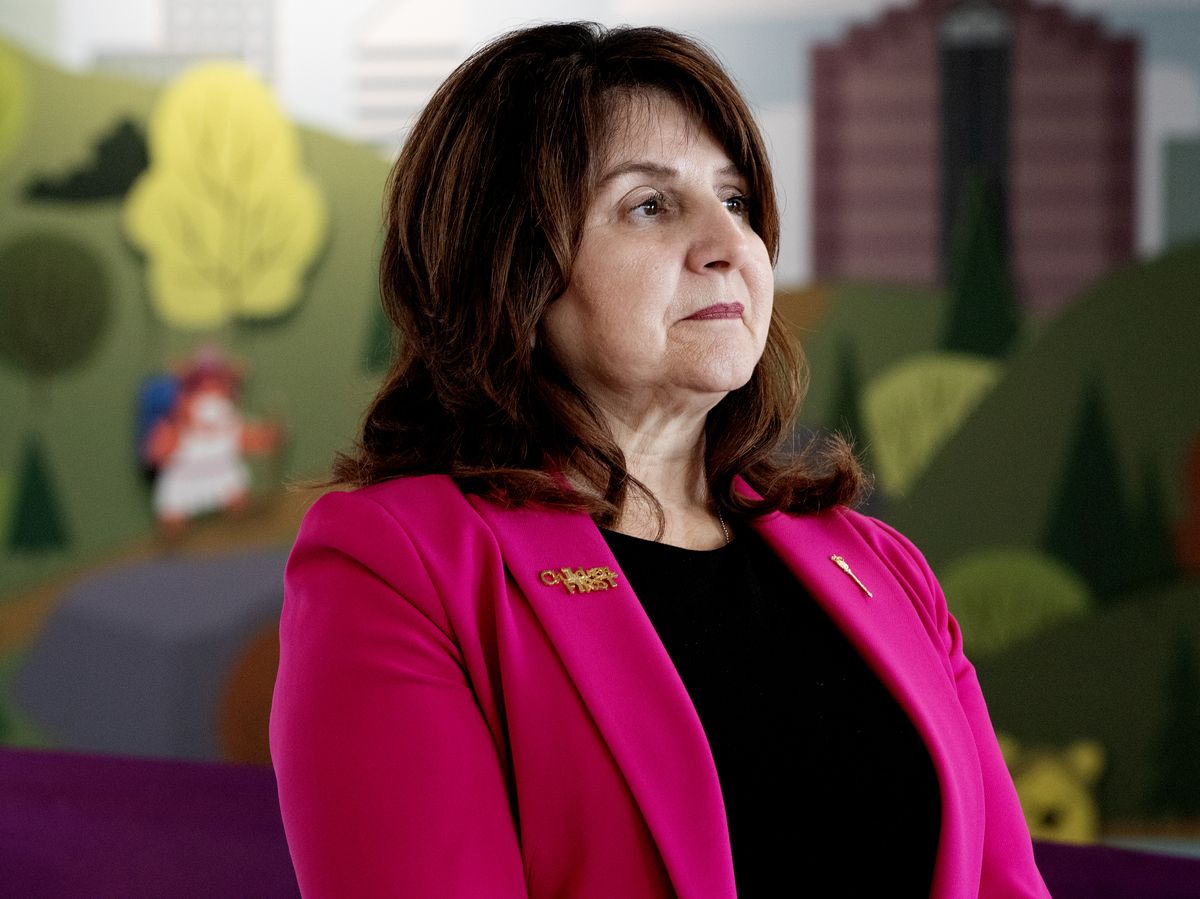
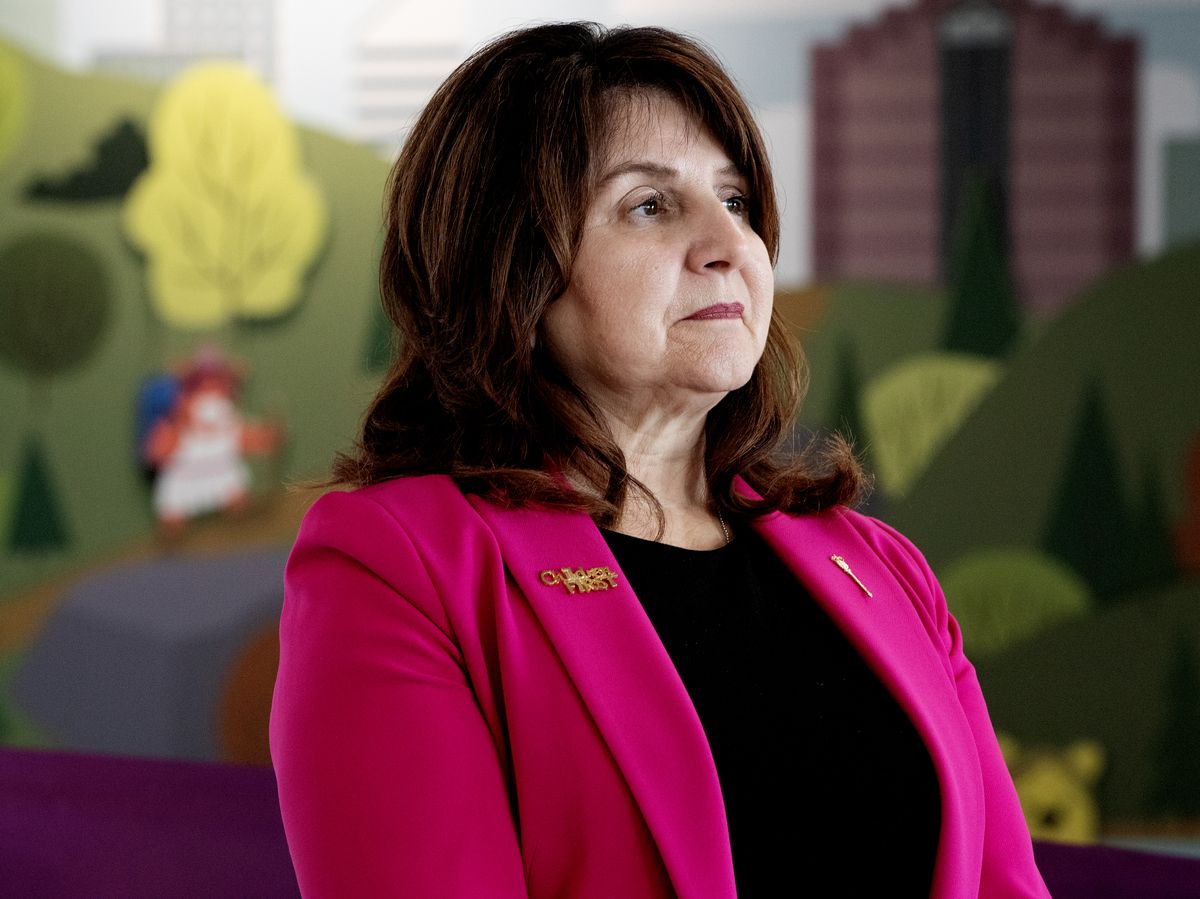
Adriana LaGrange is not waiting for permission. Alberta’s minister of hospital and surgical health services is rolling out a dual-practice model that lets some surgeons work in both the public system and a private-pay lane at the same time — something no other province allows. The question hanging over it is not just whether the model works. It is whether Ottawa and Edmonton can drop the familiar script — western grievance versus federal lecture — and treat a provincial experiment as a chance to fix something both sides say is broken.
When I catch up with LaGrange in late August, she is not in campaign mode. She is in implementation mode. Legislation passed last December created a new category of “flexibly participating” physicians, mainly surgeons. Starting this fall they can do publicly funded work and, on a case-by-case basis, privately paid elective procedures: hip and knee replacements, cataracts, hernia repair, selected ENT, gynecology, dermatology and plastic surgery. Emergency care, cancer treatment and family practice stay fully public.
Right now, she says, Alberta has two camps: physicians who are “fully opted out” or “fully opted in.” She puts the opted-out group at about 15 — doctors who do only private work. Everyone else stays inside the public system. Dual practice is the attempt to stop the binary. Doctors keep a public contract, meet a minimum number of public hours with Alberta Health Services or Covenant Health, then add private volume in approved facilities. At first, those will be accredited non-hospital surgical facilities.
The Alberta Medical Association neither endorses nor opposes the plan. It has spent months pressing for guardrails so the private lane does not lengthen public waits, poach staff, or slide into queue-jumping by ability to pay. LaGrange says that is her test too. “What we want to do, pre-emptively, is make sure we have those strong guardrails in place so we are protecting our public system first and foremost.” Dual-practice doctors, she says, “would have to put the minimum public surgery hours in before they could actually do private surgeries.”
Her pitch: Albertans already leave the province — and the country — for these surgeries. “Alberta doctors are flying out, Alberta patients are flying out, and we have other provinces, their patients and their doctors flying here to do those surgeries here. It just doesn’t make sense.” Keep the work here, she argues, and you add capacity, keep complications inside a system that will treat them anyway, and give patients a local choice for elective care.
She keeps drawing the line. “I emphasize elective, not medically needed at this moment, because of course if it was an emergency or if it was cancer, that would be done here, no cost, no impediment to that whatsoever.”
Federal Health Minister Marjorie Michel is not convinced the model fits the Canada Health Act. In mid-August she told the Toronto Star she was “very concerned” and did not see how dual practice could operate within the Act. Her office confirmed a July 24 letter asking Alberta to protect the public system. Reporting around that interview floated discretionary penalties — an unusual step beyond the deductions Ottawa already takes from health transfers when provinces allow patient charges.
That is where the relationship gets tested. LaGrange says Alberta had already sent Ottawa the draft regulations “and some of our thoughts around the safeguards that we’re putting in place to protect the public system.” The letter back, she explains, was that Ottawa would “monitor,” had “some concerns that it may not adhere to the spirit of the Canada Health Act,” and that the two departments should keep talking. Then came the Star piece. “That’s why I was quite surprised by the tone and somewhat implied threat of discretionary penalties.”
She is still waiting for a straight answer. “From their perspective, they would say it’s not in keeping with the spirit of the Canada Health Act, and I keep asking for clarity on that. So that’s where I would say we differ, because I do believe it does keep with the spirit of the Canada Health Act.”
The federal statute dates to 1984 and has never been rewritten. Long waits, workforce shortages and private delivery already exist across the country under different provincial rules. Alberta’s claim is that simultaneous public-and-private practice for the same elective procedures is compatible with the Act.
She still describes the working relationship as good. “I do believe Minister Michel wants to improve the overall health-care system in Canada. She also knows the challenges of the funding for health care that all the provinces are experiencing.” The disagreement is definitional. Ottawa hears “ability to pay.” Alberta hears “choice for elective surgery, with public hours locked in first.”
LaGrange wants time to prove the model increases surgical volume without starving the public list. Michel wants proof it will not create two queues for the same medically necessary procedure. The money argument sits underneath everything.
“When health care was first envisioned in Canada, it was a 50/50 split with the federal government. Right now, we receive about 21 per cent,” says LaGrange. Premiers have spent years asking Ottawa to lift that to 35 per cent; some now talk about a 50/50 split again. The Canada Health Transfer rises 5 per cent to $57.4 billion in 2026-27. Alberta’s portion is about $7 billion, against a $34.4-billion provincial health budget.
What galls LaGrange is the mix of a shrinking cash share and a growing list of conditions. “The fact that the number continues to decline … and yet they would like to have more and more strings attached to it and more and more say on what happens in what is a provincial jurisdiction, I think is problematic.”
LaGrange is not only defending dual practice. On Oct. 19, Albertans will vote in a referendum on a constitutional question: should Alberta work with other provinces to let a province opt out of federal programs in health, education and social services — and keep the cash? She says she will vote yes, that the ballot language is aimed at programs such as pharmacare and the federal dental plan.
Her line is that individual provinces should run health care because individual provinces’ needs are not the same. That is a legitimate constitutional argument. It is also why a letter about the “spirit” of the Canada Health Act lands like a warning. Alberta is asking Ottawa to trust a new surgical model in the same season it is asking voters to weaken Ottawa’s leverage.
Alberta’s surgery experiment is an opportunity for clarity: If dual practice shortens public waits and keeps surgeons in Alberta, the collaboration argument gets easier. If it does not, Ottawa will have its evidence and Alberta will have a political problem it created.
Our website is the place for the latest breaking news, exclusive scoops, longreads and provocative commentary. Please bookmark nationalpost.com and sign up for our newsletters here.