Newsletter Subscribe
Enter your email address below and subscribe to our newsletter

Enter your email address below and subscribe to our newsletter


Chicago sports fans do not simply watch a game and move on. They remember the weather, the coaching decisions, the late-inning mistakes, the defensive adjustments, and the small moments that changed an entire season. For many people in the city, following sports is less like a weekend hobby and more like an ongoing family conversation.
That long memory shapes how Chicago fans understand their teams. A casual viewer may see one disappointing quarter or a rough series. A local supporter often sees a familiar pattern, a historical comparison, or a reason to keep watching.
Chicago has several major professional teams, and each one has developed a distinct personality over time. Those identities influence what fans notice during games.
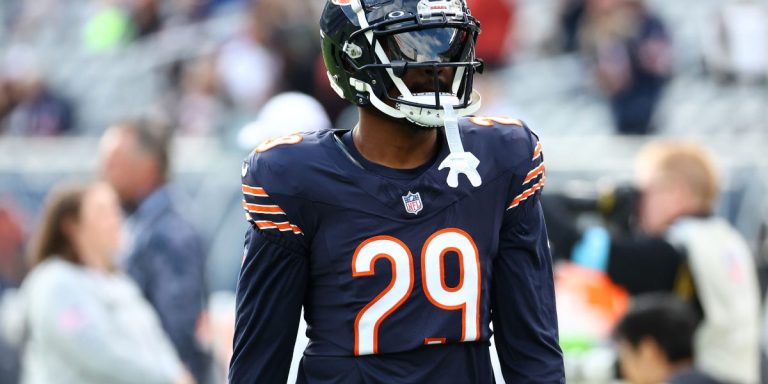
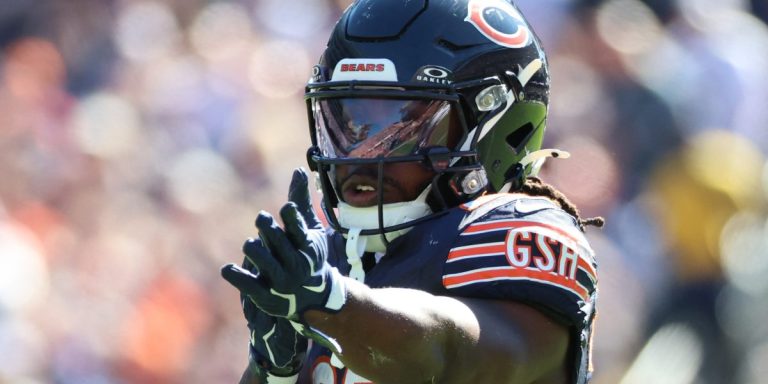
Bears supporters have traditionally paid close attention to defense, field position, physical play, and weather conditions. Even when offensive styles change, many fans still look first at tackling, pressure, and how well the team controls difficult situations.
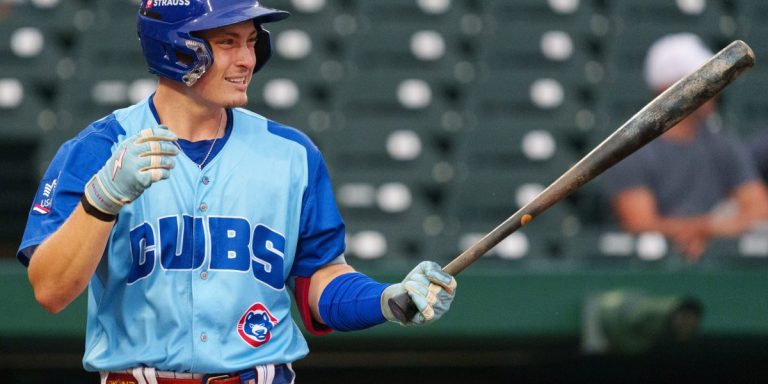
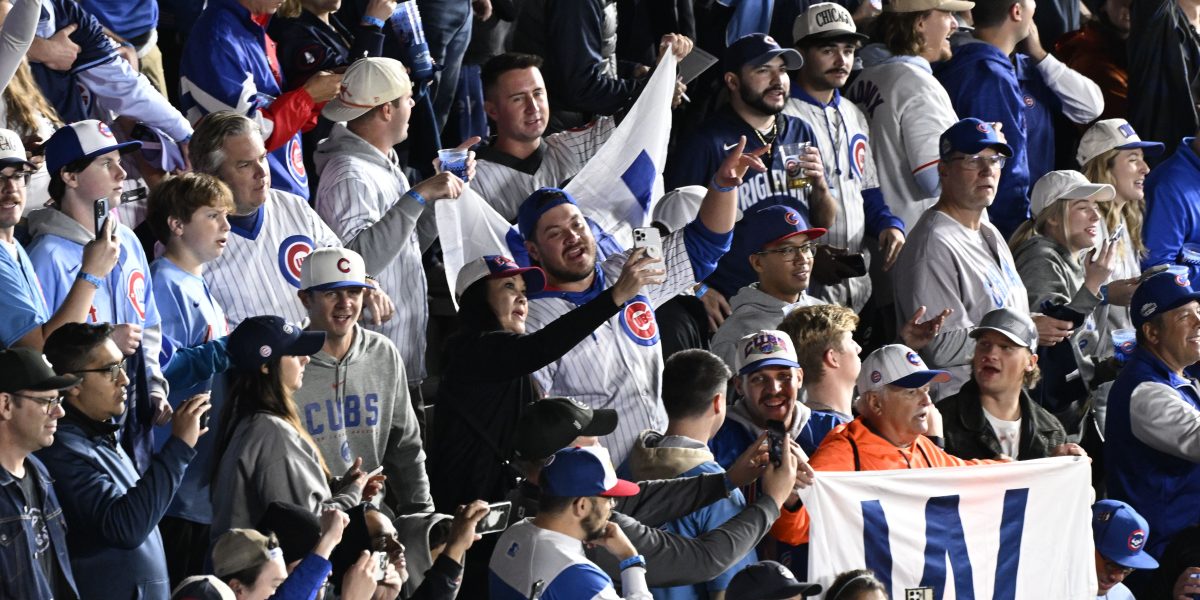
Cubs fans often view games through the unique setting of Wrigley Field. Wind direction, temperature, and changing light can all affect how a game feels. A routine fly ball on one afternoon may travel very differently on another. Regular viewers learn to check the conditions before making quick judgments about a pitcher or hitter.
White Sox fans tend to notice the details of roster construction, bullpen management, and how the team uses its home ballpark. Bulls fans follow lineup combinations and defensive matchups, while Blackhawks supporters often focus on shifts, special teams, and changes in pace.
The teams are different, but the habit is the same: Chicago fans pay attention to the details surrounding each result. That knowledge may also influence how some adult fans make betting decisions, particularly when they consider confirmed lineup changes, weather conditions, recent form, and home-field factors. These details add context, although no amount of local knowledge can make a sporting outcome certain.
In Chicago, the venue is rarely just a background.
Wrigley Field has its famous wind, close seating, neighborhood atmosphere, and afternoon shadows. Soldier Field can turn cold, wet, and windy late in the football season. The United Center has its own energy when the crowd responds to a scoring run, a hard defensive stop, or a fast shift in momentum.
These surroundings shape the way local fans experience games. Someone who regularly attends events knows how quickly the mood in a stadium can change. A quiet crowd may suddenly come alive after one defensive play. A difficult weather day can make a low-scoring game feel more intense than a high-scoring one played indoors.
This local knowledge also creates stronger memories. Fans do not only remember who won. They remember where they sat, how cold it was, who they attended with, and what the city felt like afterward.
Watching a team regularly creates a different level of understanding. Fans begin to recognize substitutions, matchups, and repeated decisions without needing a long statistical explanation.
A Bulls supporter may notice which lineup brings more pace or stronger rebounding. A Cubs fan may recognize when a reliever is being used differently from the previous series. A Bears fan may see how the offensive line is affecting the running game before the broadcast fully explains it.
These observations are not always dramatic, but small lineup, tactical, and personnel changes can gradually shape a game.
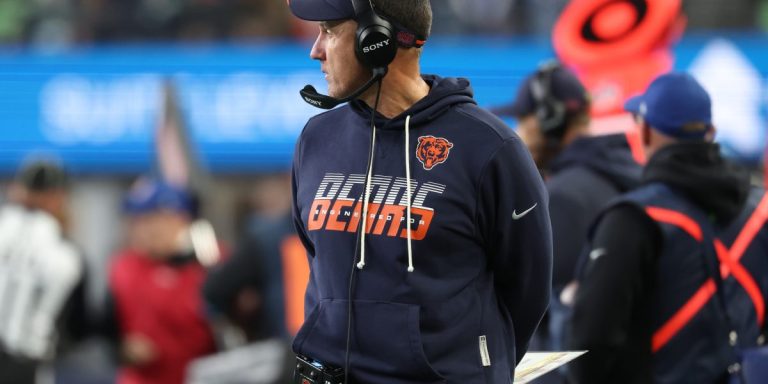
That is one reason Chicago sports conversations can become so detailed. Fans debate whether a manager waited too long to make a move, whether a coach adjusted quickly enough, or whether a player’s role suits the matchup. The discussion continues in homes, workplaces, neighborhood restaurants, and group chats long after the final whistle or final out.
Chicago teams carry long histories, and fans bring those histories into every new season.
Past championships remain important, but so do the seasons that ended in frustration. Older relatives pass down stories about players, rivalries, and famous games. Younger fans add new memories of their own. Over time, each family builds a personal version of Chicago sports history.
That history affects expectations. A promising Cubs team may remind fans of earlier summers at Wrigley. A strong Bears defense may bring comparisons with respected teams from the past. A Bulls winning streak can revive memories of periods when basketball shaped the mood of the entire city.
These comparisons are not always perfectly fair to current players, but they show how deeply the teams are connected to local identity.
Some adult fans following an upcoming matchup may also compare official team updates, injury reports, weather forecasts, and market information from this sportsbook powered by the world wide leader in sports. These sources can add context, although every sporting result remains uncertain.
Chicago fandom is not based only on winning. In many cases, loyalty becomes stronger during rebuilding years, injuries, difficult schedules, and seasons that require patience.
Fans who continue watching through those periods learn more about prospects, coaching decisions, and the direction of the organization. They celebrate smaller signs of progress, such as a young player improving, a defense becoming more organized, or a team competing with greater consistency.
This makes future success feel more meaningful. Supporters remember the long road that came before it.
The emotional connection also explains why criticism can be so intense. Chicago fans often expect effort, preparation, and accountability, even when results are uneven. Their frustration usually comes from investment rather than indifference.
Chicago sports rivalries are shaped by geography, history, and family traditions.
The Cubs and White Sox divide the city in a way that goes beyond league standings. Bears matchups against familiar opponents can affect the mood of an entire weekend. Bulls and Blackhawks games against long-standing rivals often feel more important, even during an ordinary part of the season.
These rivalries give fans another layer of connection. Friends and relatives may support opposing teams while sharing the same passion for Chicago sports. The arguments can be lively, but they also keep local sports culture active across generations.
Chicago fandom is shaped by more than knowledge of statistics or team history. It is the way sports fit into daily life.
Games become family traditions. Stadiums become landmarks. Players become part of neighborhood conversations. A single win can brighten a cold week, while a difficult loss can keep people talking until the next game.
Chicago fans see more than the score because they bring years of memory, local knowledge, and personal experience to every contest. They understand the weather, the venues, the rivalries, and the weight of each team’s history.
That is why Chicago sports rarely feel like simple entertainment. For the people who follow them closely, they are part of the city’s rhythm.
The post How Chicago’s Teams, Stadiums, and Rivalries Shape Local Sports Fandom appeared first on ChiCitySports.