Newsletter Subscribe
Enter your email address below and subscribe to our newsletter

Enter your email address below and subscribe to our newsletter

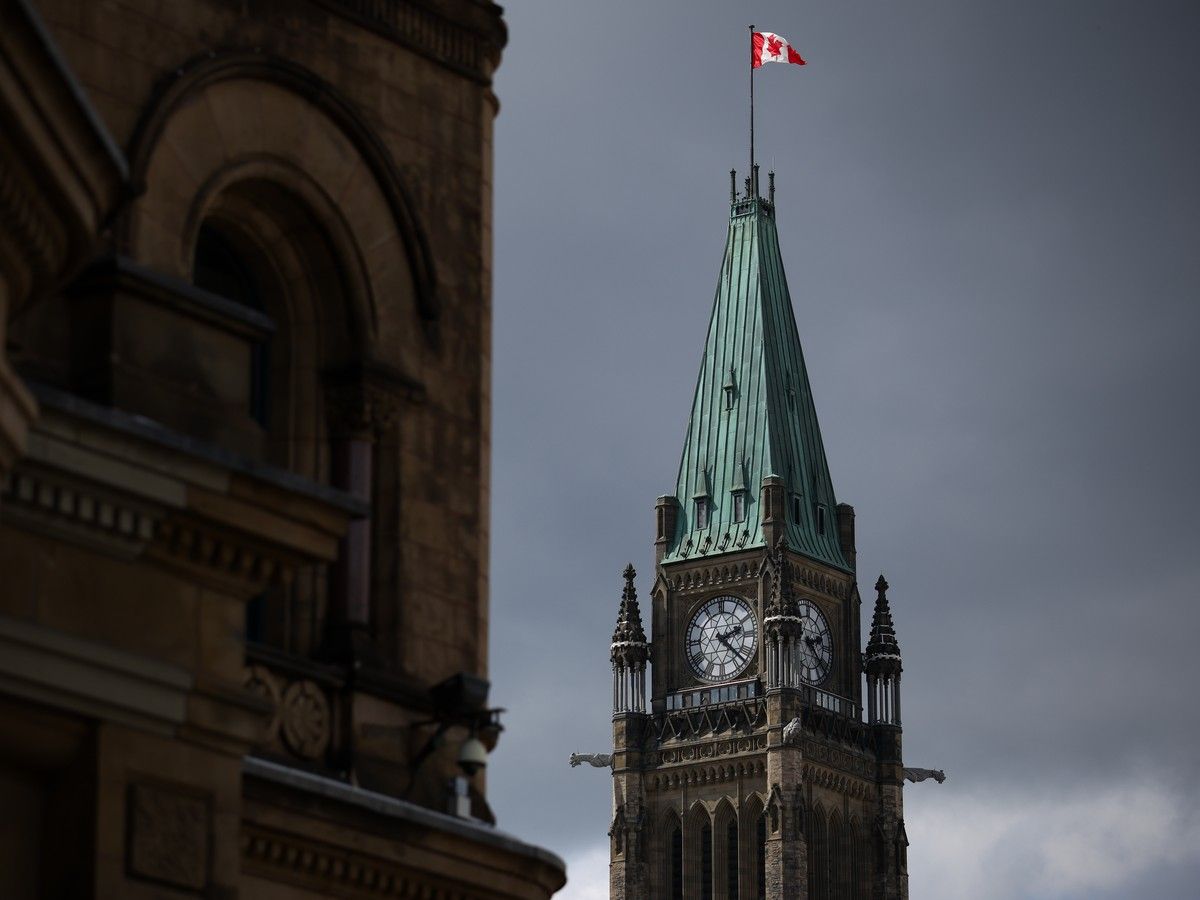
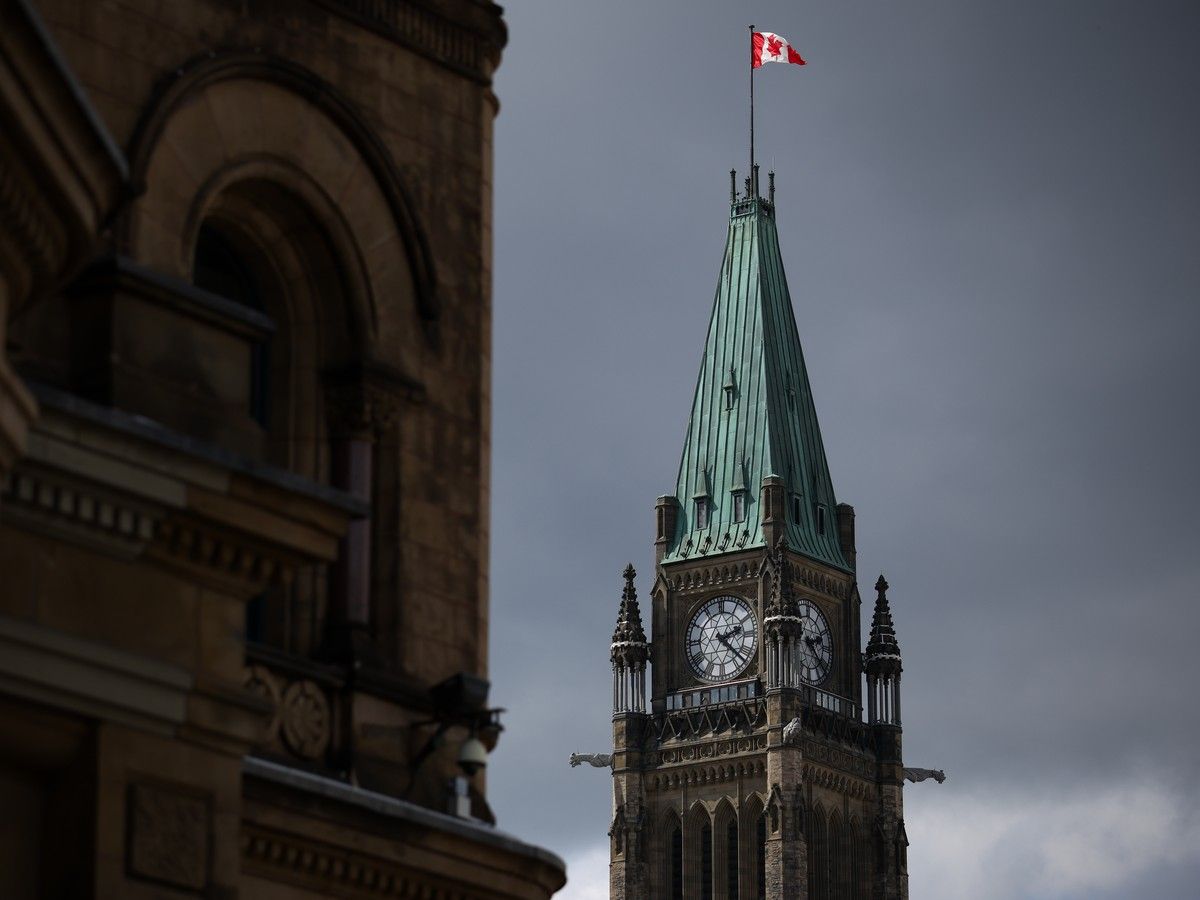
The federal government’s Social Sciences and Humanities Research Council (SSHRC) will cost taxpayers $1.4 billion this year, according to the 2026–27 Main Estimates .
And an analysis of federal grant data by the Canadian Taxpayers Federation (CTF) reveals this money is being spent on ancient temple brewers, Arctic climate comics, low-carbon videogames and Justin Trudeau’s speeches, to name a few of the research topics the government is funding.
The SSHRC is a federal agency that promotes and supports research in the humanities and social sciences through its funding opportunities, and the government says SSHRC-funded research provides “insights on the issues that matter most to Canadians.”
However, CTF questions how many of the funded topics resonate with Canadians. “Studies about climate comics and the state of Canadian dancefloors don’t sound like studies that matter most to Canadians like the government claims,” said Franco Terrazzano, CTF federal director.
“A government that can find $30,987 for temple brewers in ancient Mesopotamia can find savings for Canadian taxpayers,” he adds.
Terrazzano is referring to a study on “struggling temple brewers in sixth century BCE Mesopotamia” by a researcher at University of Toronto and was awarded the sum by the federal government in a February 2026 competition .
Among the other projects mentioned are a Quebec-based study on the “state of the dancefloor in Canada” that was awarded $78,623 in funding, and University of Calgary research on Arctic climate comics that was granted $88,591.
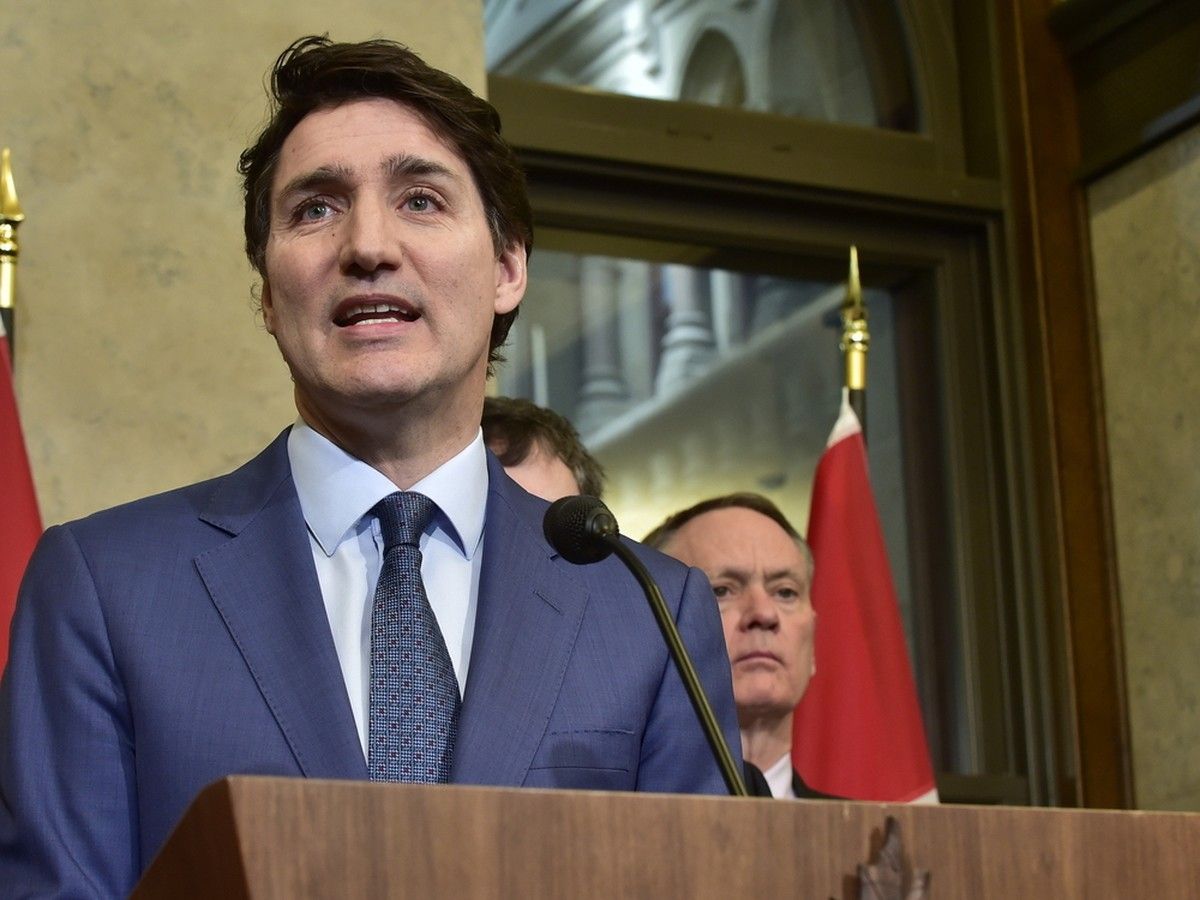
Elsewhere, SSHRC gave a University of Ottawa professor $43,693 to study the “contested meaning” of former prime minister Justin Trudeau’s speeches. The research will analyze 326 Trudeau speeches, tracking how he used terms including “feminist,” “reconciliation,” “protest” and “freedom.”
Meanwhile, a Concordia University professor who had previously published work imagining water had constitutional rights has been awarded $99,850 for a new study titled “A Liquid Frontier: Water Governance through Choral Storytelling,” and an Alberta-based professor who previously built a solar-powered server on her apartment balcony to host “low-carbon videogames” was given $37,275.
CTF also questions how relevant the government-funded research is for Canadians, given that at least 50 research projects awarded funding in 2026 focused on topics in other countries. These grants cost taxpayers nearly $3.9 million, CTF says.
The projects include $93,467 to create a digital edition of a 1908 book about Sri Lankan art and $65,833 to study Western-style sweets in “modern Japan and beyond.”
“The SSHRC is little more than a subsidy for academics to work on their pet projects that nobody else will read,” Terrazzano said in a scathing assessment.
Referring to $105,000 in funding awarded to a Simon Fraser University study in 2018 , he added: “Just because nobody will voluntarily pay to study the birth, life and death of a grocery cart, that doesn’t mean taxpayers should be forced to.”

Meanwhile, CTF points out that SSHRC’s $1.4 billion is on top of the $17.9 billion the federal government expects to send to the provinces through the Canada Social Transfer in 2026/27. The CST is intended to support post-secondary education, as well as social assistance and social services, and early childhood development, early learning and childcare.
This CTF analysis comes after the taxpayers’ watchdog submitted its pre-budget recommendations to the federal government, which call for around $60-billion in annual spending cuts.
The document, obtained by National Post , includes recommendations to end taxpayer support for the CBC, the Senate and expense accounts for past governors general.
It also calls for slashing the costs of the federal bureaucracy and Parliament itself to reduce the costs of the fast-growing federal debt, with measures including returning salaries and benefits for federal politicians to 2020 levels and reducing the governor general’s salary to that of cabinet ministers ($264,000).
“The massive accumulation of debt is due to a government spending problem, not a revenue problem,” the CTF’s submission states.
The Carney government’s second budget is expected to be released within the next couple of months.
Our website is the place for the latest breaking news, exclusive scoops, longreads and provocative commentary. Please bookmark nationalpost.com and sign up for our daily newsletter, Posted, here.