Newsletter Subscribe
Enter your email address below and subscribe to our newsletter

Enter your email address below and subscribe to our newsletter

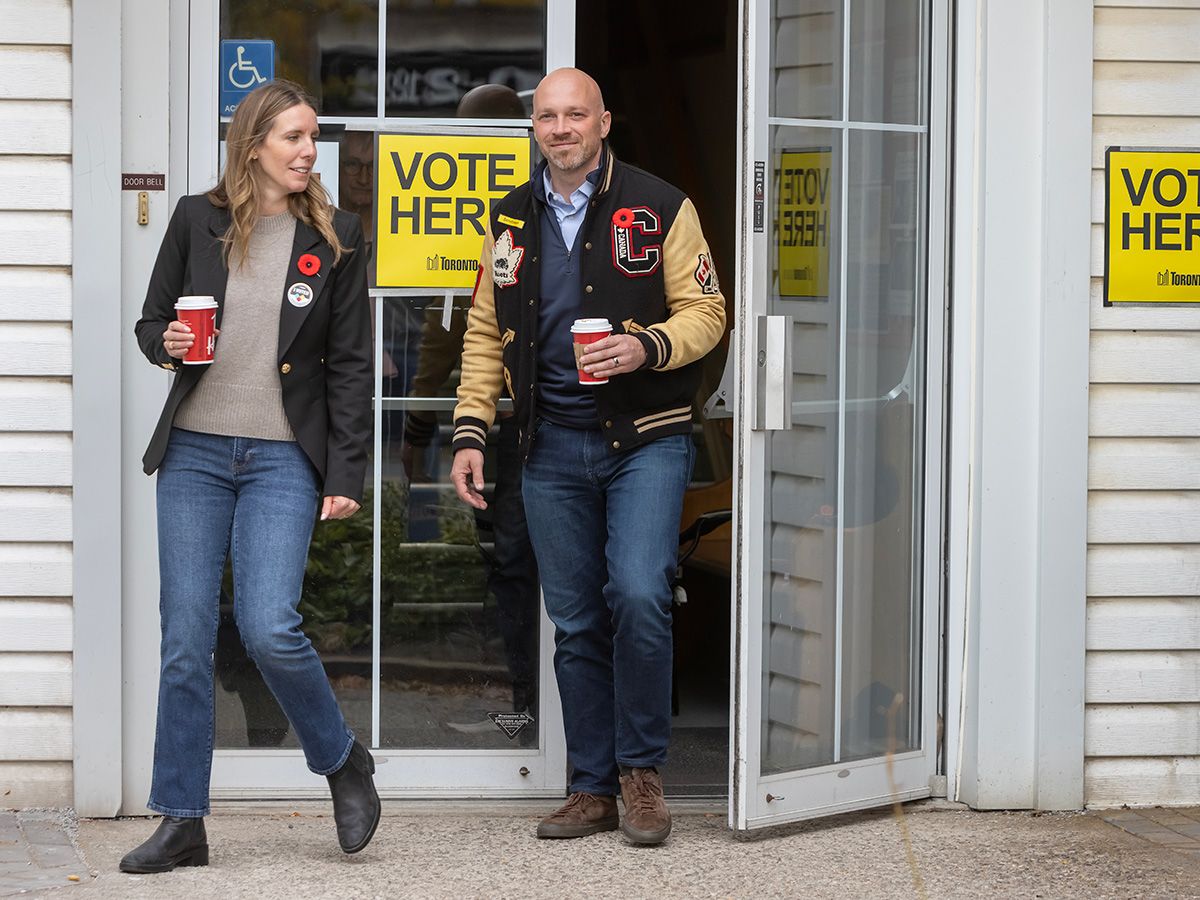
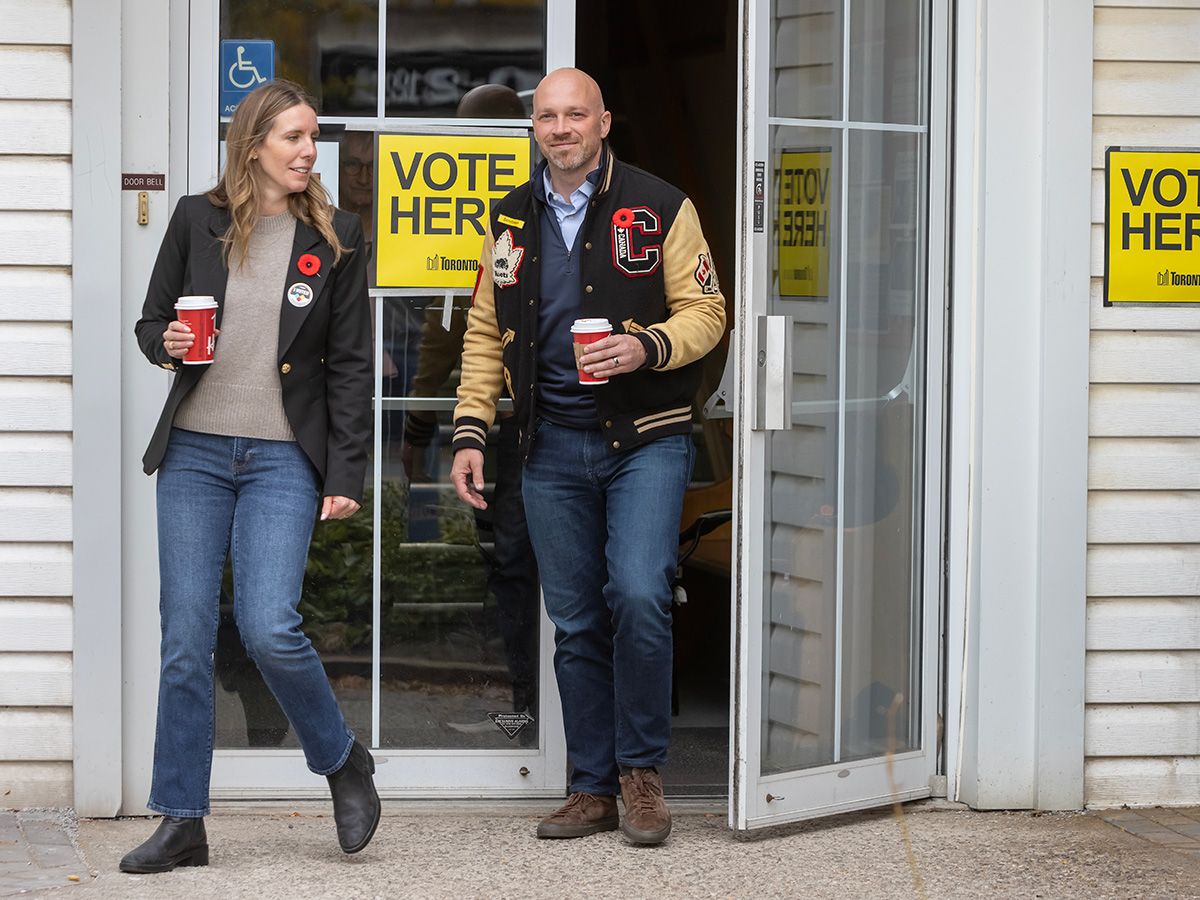
Torontonians went to the polls Monday to choose a mayor in the tightest race in recent memory, between left wing incumbent Olivia Chow and right wing challenger Brad Bradford, a city councillor.
It is the most closely watched of Ontario’s civic elections.
In Hamilton, incumbent mayor and former Ontario NDP leader Andrea Horwath is challenged by Keanin Loomis, a lawyer and former head of the Canadian Institute of Steel Construction, and Rob Cooper, a city councillor running on a tax cut platform.
In Mississauga, former mayor Bonnie Crombie, who left office to lead the Ontario Liberal Party to disappointing results in the last election, is looking to reclaim her post from incumbent Carolyn Parrish, a former Liberal MP. Both are trying to hold off the challenge from councillor Alvin Tedjo.
In Ottawa, incumbent mayor Mark Sutcliffe faces his strongest challenge from councillor Jeff Leiper.
In Toronto, it has seemed until recently like Chow’s race to lose, but lately more like a toss-up.
Bradford has been a councillor for Beaches-East York since 2018. Before that he worked in urban planning, including for Toronto. He ran in the last mayoral election in 2023, getting a little over 1 per cent of the vote.
Chow won that election by five percentage points over her closest rival Ana Bailao, a former deputy to former mayor John Tory, who had recently resigned a sex scandal. In that campaign, the political right was split, with former police chief Mark Saunders, who had previously run for the Ontario Progressive Conservatives, taking nearly 9 per cent.
Chow has the city’s progressive vote cornered. She was MP for the downtown Trinity-Spadina riding (since redrawn) for eight years until 2014, and is the widow of NDP icon and former leader Jack Layton. Both were also Toronto city councillors.
If she loses, it will be the first time since the present-day amalgamated City of Toronto was created in 1998 that an incumbent mayor has lost a bid for re-election.

Early in this race, Bradford became a consensus challenger from the right, freeing him to focus on presenting an alternative to Chow.
Bradford ran on crime, congestion and cost of living. His slogan “Toronto is not broken, but it is stuck” allowed him to channel public concern about safety on the streets; encampments and drug use in city parks; violence and disorder on public transit; worsening traffic and general urban affordability without veering too far into negativity. News stories during the campaign, such as court cases about bike lanes and a shooting at a street festival, helped keep his message top of mind.
Chow enjoyed the strategic advantage of incumbency, with little need to further boost her profile. Instead, she directed many of her debate minutes against Bradford, to the point that he complained she was fear-mongering, especially about his plan to turn Toronto Water into a corporate utility like Toronto Hydro, which Chow said raised fears about privatization.
In September, there was a brief news cycle about whether Ontario Premier Doug Ford, brother of the late former mayor Rob Ford, meant to formally endorse Chow when he told reporters they have a “phenomenal relationship,” she is doing “an incredible job,” and the media should “read between the lines” about his views on the election.
Bradford’s campaign said in a statement this was a sign of Chow’s weakness against the premier, with whom she frequently negotiates and cooperates. “She protests, the Premier pushes, she folds,” it said. Bradford, for his part, has repeatedly invoked Prime Minister Mark Carney when pitching his platform, such as his plan to separate Toronto’s operating and capital budgets.
Polls in the final week showed the two candidates within the margin of error of each other, with Chow’s numbers a little higher.
Over the campaign, it is Bradford’s numbers that have increased most. At the outset, voting intentions on the political right threatened to split again, with Bradford the consensus candidate and former federal Conservative cabinet minister Chris Alexander the longshot spoiler, polling hopelessly in single digits among a constituency likely to favour Bradford.
Alexander’s late decision to drop out appears to have contributed to Bradford’s boost in polling numbers, and created a sense of momentum in the campaign’s last days.
So on voting day, with the polls showing a practical tie, both camps can sense imminent victory, Chow’s because she was ahead all along and made no major missteps, and Bradford’s because the desire for change is a powerful vote driver.
On a warm autumn day, with the sun still high at dinner time, a motivated electorate will have no excuses for failing to vote.
Toronto’s weather on Monday remained clear, calm and ideal for get out the vote strategies and last minute texted encouragements.
Polls close at 8 pm. Ballots are digitally scanned, and results are expected to be available soon afterwards.
Our website is the place for the latest breaking news, exclusive scoops, longreads and provocative commentary. Please bookmark nationalpost.com and sign up for our daily newsletter, Posted, here.