Newsletter Subscribe
Enter your email address below and subscribe to our newsletter

Enter your email address below and subscribe to our newsletter

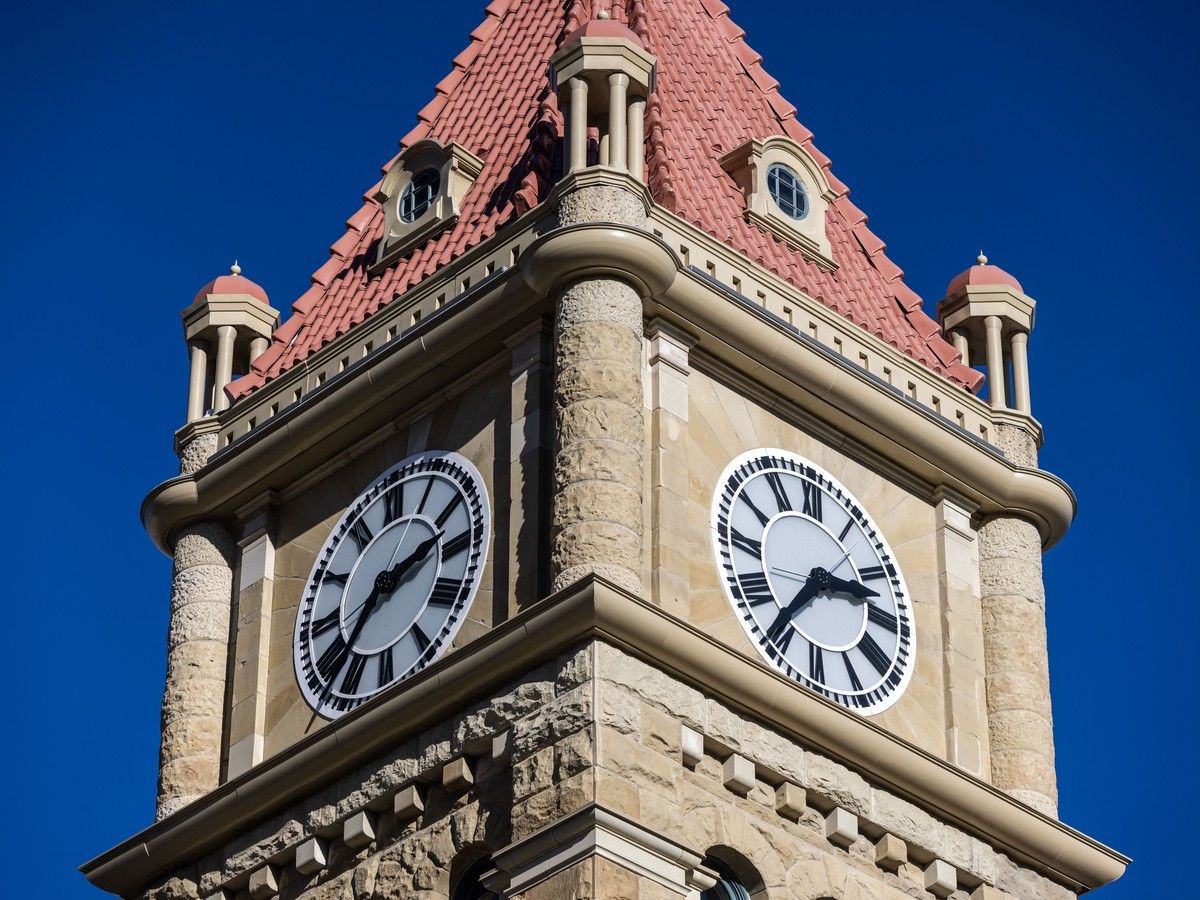
Daylight saving time (DST) traditionally ends on Nov. 1 in Canada, but this year some provinces and territories are preparing to leave seasonal time changes behind.
For years, Canadians have called for an end to the twice-yearly clock change, with public consultations in several provinces prompting some governments to move toward making DST permanent.
While some jurisdictions have changed their clocks for the final time, others are sticking to the status quo, meaning things are about to get confusing. Here’s a breakdown of which provinces are doing what with their time zones come November.
Alberta, B.C., Manitoba, Saskatchewan, the Northwest Territories and Yukon have all made the decision to stop switching between daylight and standard time. Therefore, clocks in these provinces won’t fall back an hour on Nov. 1.
Saskatchewan was the first province to abandon the practice in 1966, and Yukon made the change in 2020.
Alberta, B.C. and the Northwest Territories all decided to stay on DST over the past year, and Manitoba made the decision last month.
To make things even more complicated, the Ontario government announced on Oct. 13 that northwestern parts of the province that have usually kept their clocks in sync with neighbouring Manitoba will also be making DST permanent.
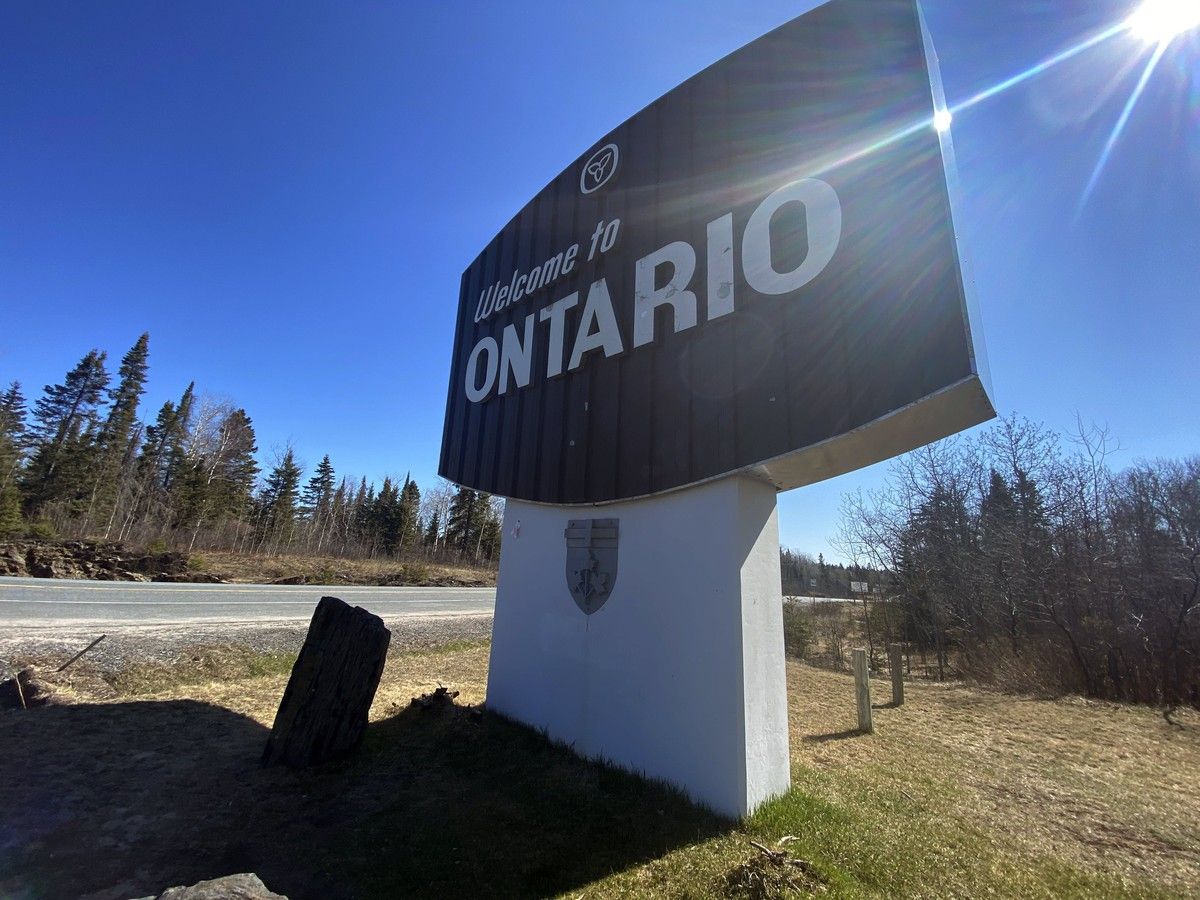
The remaining provinces, which includes most of Ontario, Nova Scotia, Prince Edward Island, New Brunswick and Newfoundland and Labrador, will see their clocks fall back an hour on Nov. 1, returning to standard time.
But Ontario isn’t the only province with multiple time zones. Quebec’s northern region of Nunavik made the decision to stay permanently on DST in the past year, but the rest of the province will change its clocks next month.
Nunavut spans three time zones, all of which change their clocks on Nov. 1, except for Southampton Island, which remains on Eastern Standard Time all year long.
Elsewhere, the East Kootenay region in southeast B.C. will keep time in line with Alberta, which will stay on permanent Alberta Time (previously called Mountain Daylight Time).
B.C., Yukon and western parts of Nunavut will all have the same time this winter, which is seven hours behind Coordinated Universal Time (UTC). Now that B.C. has made DST permanent, its time difference with Ontario and Quebec will shrink from three hours to two during winter.
Alberta and the Northwest Territories, meanwhile, will be just one hour behind Ontario and Quebec, and Manitoba will be on the same time as them during the winter.
Saskatchewan will now be on the same time as Alberta and the Northwest Territories year-round, and one hour ahead of B.C.
Most of Atlantic Canada will be three hours ahead of B.C., two hours ahead of Alberta and one hour ahead of Ontario and Quebec.
Announcing Manitoba’s decision to remain on DST on Sept. 17, the provincial government referenced a public engagement campaign from May, which found that 92 per cent of Manitobans surveyed wanted to see an end to seasonal time changes. A majority of Manitobans (58 per cent) preferred to stay on permanent DST.
“Permanent daylight saving time is good for Manitoba businesses,” said Loren Remillard, president and CEO of the Winnipeg Chamber of Commerce, in a statement at the time. “More daylight in the evening means more opportunity for restaurants, retailers, farmers, and communities across our province to make the most of the day.”
Meanwhile, an analysis by Manitoba Health, Seniors and Long-Term Care concluded that eliminating time changes would be better for population health than maintaining the status quo.
A few weeks later, the Ontario government said it intends to make DST permanent in Kenora and the northwestern regions of the province. It said in the announcement : “Maintaining alignment with Manitoba would help businesses operate more efficiently across provincial boundaries, while making it easier for residents and service providers to coordinate activities such as health-care appointments and travel.”
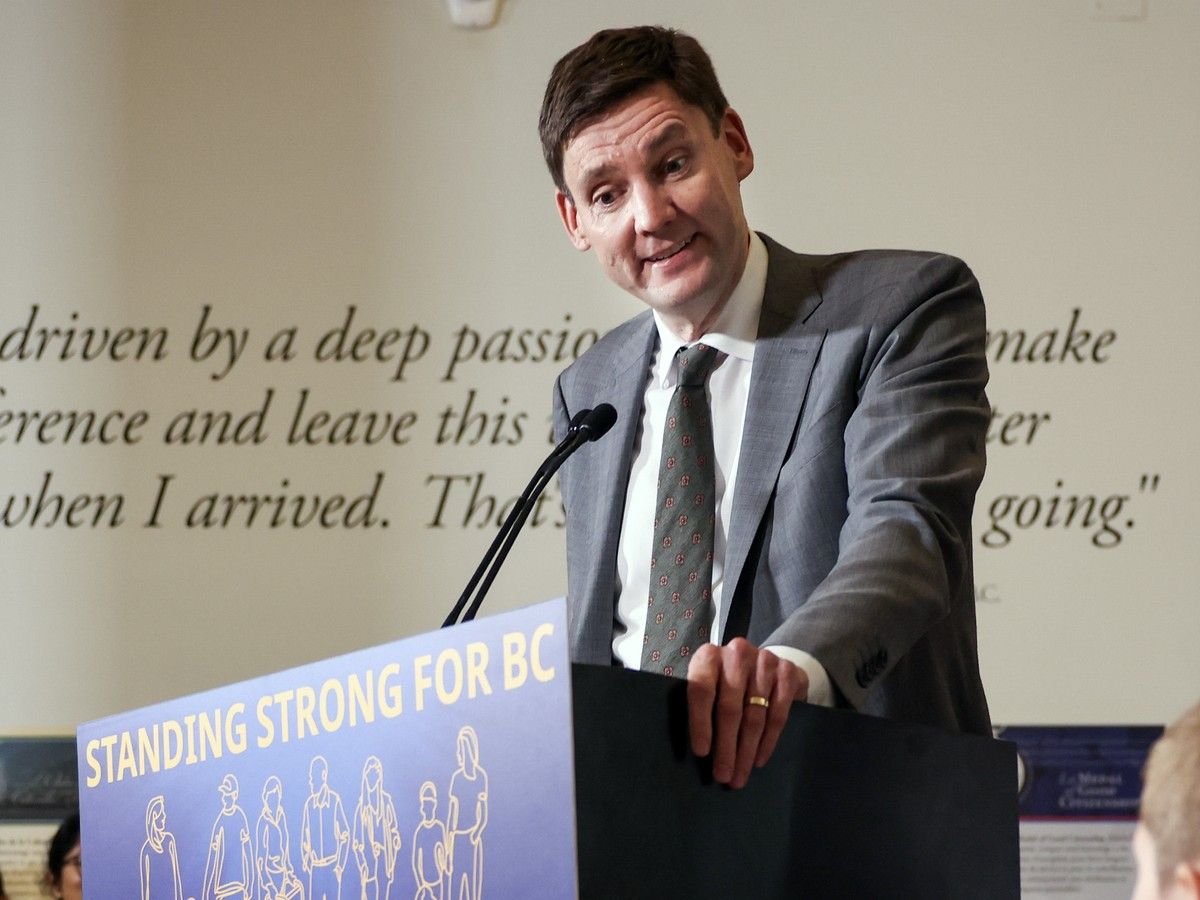
The Northwest Territories said it was ending seasonal time changes due to feedback gathered in 2022 , while B.C. conducted a public engagement on time observance in 2019, which saw 93 per cent support for adopting year-round DST . In Yukon, 93 per cent wanted seasonal time changes to stop . Of those, 70 per cent were in favour of permanent DST.
Alberta said it was adopting permanent Alberta Time to reduce disruption, improve predictability, align Alberta with neighbouring jurisdictions and reduce confusion for those who live, work, or do business across borders.
Standard time runs from November to March in the provinces that haven’t decided to put an end to clock changes. On the second Sunday in March, clocks in these provinces will go forward an hour, switching to DST.
DST was originally adopted to better match hours of daylight to the times of the day when most people are awake, and to conserve the amount of energy people use lighting their homes. It results in an extra hour of daylight in the evening, but darker mornings.
In 2020, Ontario passed a law saying it would also end the practice of changing times twice per year, but only if Quebec and New York followed suit. While Nunavik will remain on DST, Quebec as a whole hasn’t put an end to seasonal time changes — yet.
Elsewhere, the Nunavut government is reportedly exploring the possibility of ending seasonal time changes, with Cambridge Bay MLA Fred Pedersen recently telling CBC he wants to table a resolution to end the time change at the next sitting of the legislative assembly.
Our website is the place for the latest breaking news, exclusive scoops, longreads and provocative commentary. Please bookmark nationalpost.com and sign up for our daily newsletter, Posted, here.