Newsletter Subscribe
Enter your email address below and subscribe to our newsletter

Enter your email address below and subscribe to our newsletter

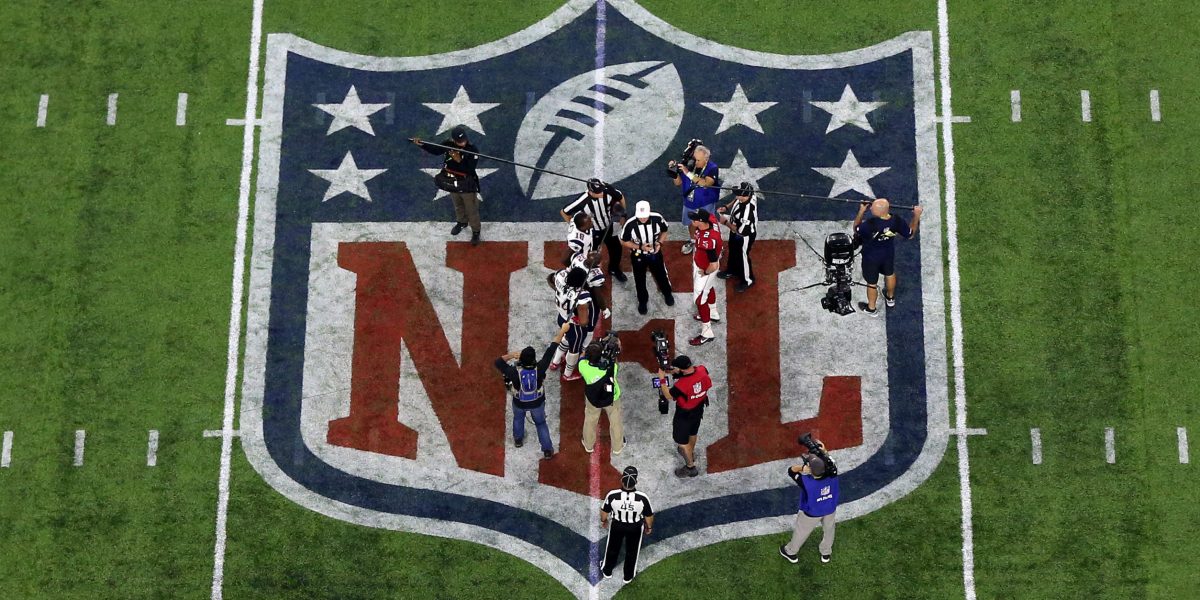

Few moments in the NFL feel tighter than a game that reaches the end of regulation tied. The clock hits zero, the score is even, and the result can turn on a coin toss, a couple of coaching calls, and a rulebook the league has kept revising for two decades.
Overtime games don’t come up often, which is part of why they land so hard. They reveal which teams still have something left, which coaches stay calm, and how one strange sequence can tilt a season.
The format has changed more than once over the past 20 years. Early on, it was simple sudden death — the first team to score any points won. That drew criticism because the opening coin toss could shape the entire result, especially if the first drive ended with a field goal and the other offense never touched the ball.
The first big adjustment came in 2010, when the NFL switched playoff overtime to a modified sudden-death setup. An opening-drive touchdown still ended the game, but a field goal gave the other team a chance to answer. The regular season adopted the same format in 2012. In 2017, the league cut overtime from 15 minutes to 10 minutes in the regular season to reduce player wear.
Another rewrite arrived in 2022. Postseason rules were changed so both teams are guaranteed at least one possession, even if the opening drive ends in a touchdown. Regular-season overtime stayed at 10 minutes. Yahoo has a broader timeline, including that the most recent change came in 2022.

For all the attention they get, overtime games make up a small part of the schedule. Most regular-season matchups are decided before the extra period becomes an option.
A lot of that comes down to ordinary late-game football:
Defense plays a role too. A prevent defense is a late-game coverage look built to stop a quick touchdown by keeping receivers in front of the secondary. It can still go wrong by surrendering short throws until an offense is suddenly in field-goal range.
Start with the obvious: close teams. The salary cap and the draft are designed to keep rosters from drifting too far apart, and games between division rivals or playoff contenders often stay within one possession deep into the fourth quarter.
A few patterns show up repeatedly in overtime matchups:
Special teams often decides whether regulation ends the game:
Coaching decisions in those final minutes matter just as much. An aggressive call can end in a turnover; a cautious one can leave a team attempting a long field goal instead of picking up a few more yards first.
Once you know what tends to push games into overtime, the next question is which matchups are likely to go to overtime or end in a tie this season, based on schedule dynamics and how teams handle late-game situations.
For a different angle on how early storylines bend expectations around close games, Chicago fans will recognize the weekly cycle of NFL overreactions that can follow one odd bounce or one high-profile finish.
A tie is even harder to reach than overtime itself. Since the league moved to a 10-minute overtime period in 2017, only a small number of regular-season games have ended with neither team ahead.
The script usually has to look something like this:
The standings math matters too. A tie counts as half a win, so teams treat overtime as a chance to finish the game, not simply survive it.
Some recent overtime games come up immediately whenever the subject is raised.
Games like this will keep showing up because tight fourth quarters are part of the NFL almost every week. Recent seasons suggest fans will see a noticeable handful of regular-season games stretch past regulation.
Offense is part of that picture. Rules that favor passing and limit downfield contact have helped keep more games within one score late, creating more spots where both teams still have a real chance to tie before regulation ends.
Overtime still feels like the NFL’s least settled finish because everything gets compressed into a short stretch where one coin toss, one special-teams snap, or one fourth-down decision carries more weight than it would earlier in the game.
These games don’t happen every Sunday, but when they do, they give a clear read on preparation, composure, and how a team responds once the usual script is gone.
The post Why Overtime Games Are Still the NFL’s Biggest Wild Card appeared first on ChiCitySports.