Newsletter Subscribe
Enter your email address below and subscribe to our newsletter

Enter your email address below and subscribe to our newsletter

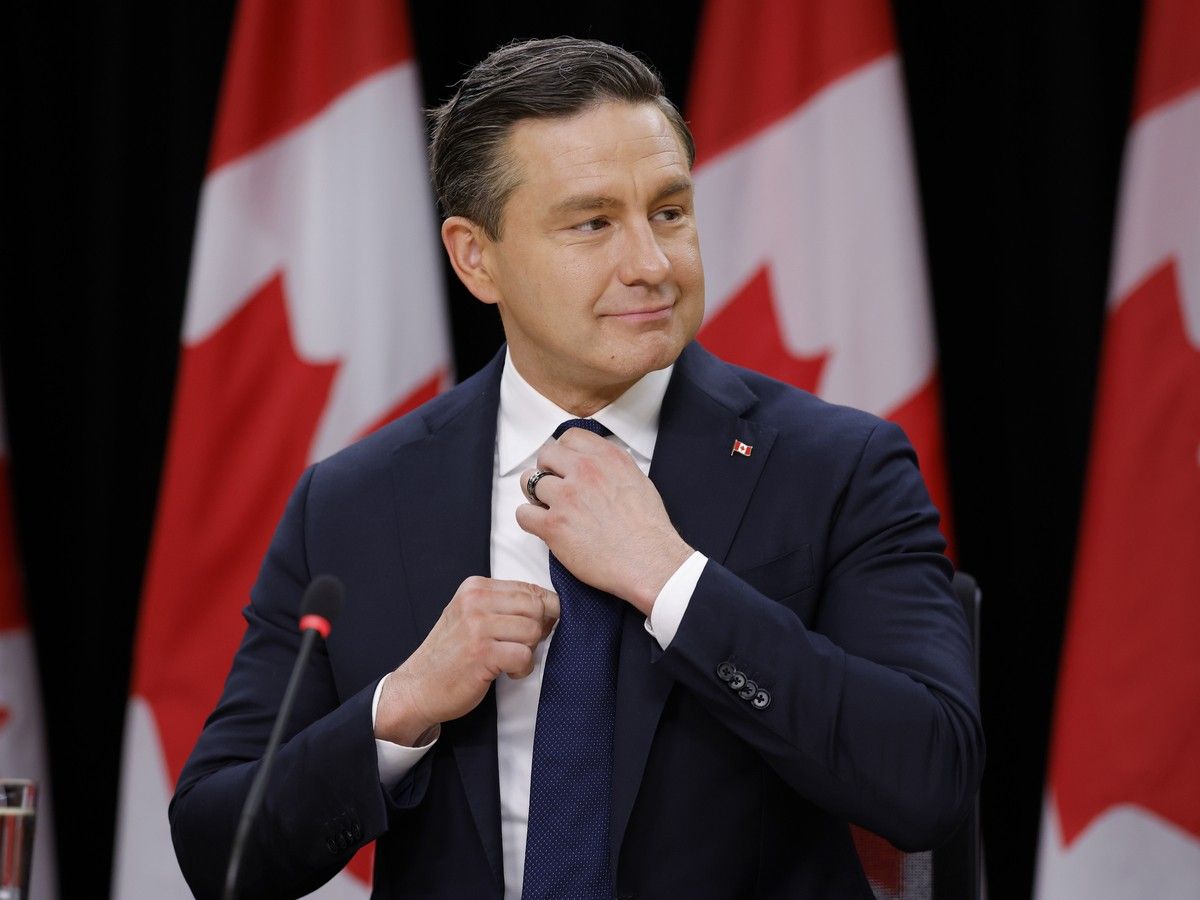
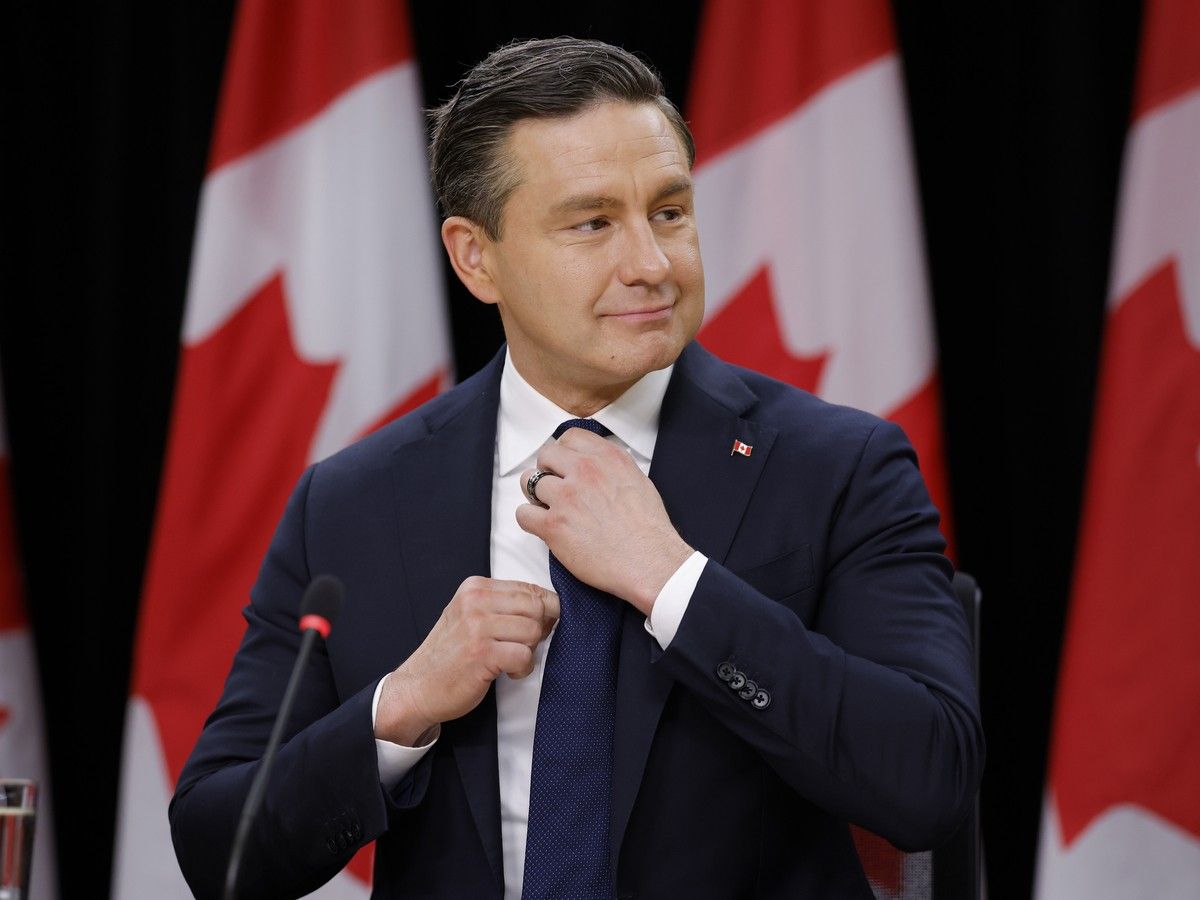
OTTAWA —The Conservatives’ new finance critic believes that a mixture of time and an appetite from Canadians to see results from Prime Minister Mark Carney are the ingredients for how the party can regain ground under the Liberals.
Michael Chong, who was named to the new role on Tuesday, is no stranger to Parliament Hill, having first been elected as a federal Conservative back in 2004 and being one of the few remaining caucus members who served as a cabinet minister under the former Conservative prime minister Stephen Harper.
An experienced Parliamentarian who has spent the past six years as the party’s foreign affairs critic, it was not his time spent in the House of Commons that Chong emphasized as important to this new role, but his experience spent working on Bay Street and within the private sector some two decades earlier.
“I understand the value of a dollar and the importance of government being prudent with the public purse and how the economy works.”
Now tasked with carrying the party’s message on affordability, the theme that Poilievre highlighted on Tuesday would remain the Conservatives’ core message, Chong sees his role as highlighting data from Statistics Canada and other sources to make the point that “affordability continues to deteriorate in Canada and that Canadians continue to struggle.”
“The affordability crisis that began under the previous Trudeau government remains under the current Carney government and nothing that the Carney government has done in the past 15 months fundamentally changes the trajectory of the Canadian economy and addresses its fundamental problems,” he said.
It was under the inflation spike the country experienced emerging from the COVID-19 pandemic that Poilievre, who was elected party leader back in September 2022, rode to what appeared to the cusp of victory against the Liberals by driving home a cost-of-living message, with a particular focus paid to young people and those in working-class jobs struggling to afford housing and pay rent.
That all changed in early 2025, with Trudeau’s exit and the entrance of Carney, an economist and two-time central banker both in Canada and England, whose deep experience in the global financial sector appealed to many Canadians anxious under U.S. President Donald Trump’s tariffs and his comments on coveting Canada as his “51st state.”
Since losing that election, Poilievre’s Conservatives have struggled to regain the footing the party once held, with successive public opinion polls showing a double-digit lead for the Liberals, with surveys also pointing to Carney leading in categories of Canadians’ preferred leader.
Asked why he believes the Conservatives’ economic message does not appear as resonate as the Liberals’, Chong suggested that Canadians have been open to giving Carney a chance.
“I think Canadians are a fair-minded and generous people,” Chong said. “With the appointment of a new prime minister 15 months ago, I think they were willing to give him some time to present an economic plan that would turn things around, but I now think that Canadians are looking for results.”
“We will be holding the government accountable on delivering results and I think that message will begin to resonate with Canadians going forward.”
As for how he believes the party can regain footing under Carney, Chong pointed to Tuesday’s shakeup of the critic roles as “part of the plan to do that.”
“I also think part of the solution is time,” he added, reiterating how Canadians have acted generously with the prime minister.
“Now that 15 months have passed they’re now starting to ask for results and so as time moves on, you know I think an increasing number of Canadians will be looking for results rather than just for announcements, and so we’re going to make the case that the data show that the results are not coming in and that the government needs to change course.”
Chong, who ushered in the rules that allow MPs to turf their leader, said he believed the rest of the 140-member caucus supports the Conservative plan.
Besides Chong’s new role, Poilievre has made other changes to his critic portfolios around the areas of trade and Canada-U.S relations.
Calgary MP Shuv Majumdar will take on the role as critic for Canada-U.S. relations from Ontario MP Shelby-Kramp Neuman, who will now serve as Poilievre’s Ontario advisor.
Besides having connections in Washington, including making several trips as an MP, Majumdar also has a background in international relations and diplomacy, including time spent as global director at Harper’s global consulting firm, Harper & Associates, until his byelection win in 2023.
Stephanie Kusie, a former diplomat who spent time as consul in Dallas, will be taking on the international trade critic role from Ontario MP Adam Chambers, who becomes the Conservative critic for industry.
Raquel Dancho, a Manitoba MP who had been serving as the party’s industry critic, now moves to health.
Chong’s naming to the finance role reflects his reputation both within the Conservative caucus and beyond for his seriousness and ability to connect with Canadians on cost-of-living issues as well as those on Bay Street, the heart of Canada’s financial centre.
He said his months ahead will be spent speaking to a variety of groups, from chambers of commerce and business leaders, to small and medium sized business and rotary clubs.
“We’ll be talking to people from main street to Bay street because at the end of the day, the affordability crisis needs all hands on deck to address it,” said Chong.
Poilievre’s naming of a new critic roster comes ahead of any potential cabinet shuffle from Carney, who has yet to make any significant adjustments to his inner circle since after last year’s election.
It also coincides with the season where MPs set off on their annual barbecue circuits and travel their ridings meeting with constituents and other stakeholders, armed with party messaging.
Tuesday’s shakeup represents an effort towards renewal and marks the first time Poilievre has changed up critics list since winning a byelection last summer, which allowed him to return to the House of Commons, unlike in the immediate aftermath of the April 2025 election, where he lost his longtime Ottawa-area seat.
He added roughly 10 more names to the list, including several MPs who were elected to ridings that the Conservatives picked up during that contest.
Carol Anstey, an MP from Newfoundland, will take on the role as natural resources critic. Sandra Cobena, who has a background in finance and represents a key York region seat, will become its treasury board critic.
Aaron Gunn will take over the ethics portfolio from Michael Barrett, who becomes the veterans affairs critic. Roman Baber, who holds a rare Toronto seat for the Conservatives, will serve as its critic on civil liberties.
Eric Duncan, who had previously served on Poilievre’s leadership team as question period coordinator, becomes the Conservatives’ new foreign affairs critic.
Arpan Khanna, who represents the Ontario riding of Oxford, will become the critic for justice, with crime being another major issue for Conservatives. Ontario MP Larry Brock, who previously did the job, said in a statement on Tuesday that he decided to “step back for personal reasons.”
Leslyn Lewis, who twice ran for Conservative party leadership, including against Poilievre in 2022, has been named as the party’s critic for digital government and artificial intelligence. Shannon Stubbs, an Alberta MP, will become the infrastructure critic and main spokeswoman for issues surrounding the Ottawa-Alberta deal to see a new West Coast pipeline built.
Tuesday’s shakeup saw Poilievre keep his leadership team largely in tact, with the party’s two deputy leaders, Tim Uppal and Melissa Lantsman staying put, with the same said for Opposition House Leader, Andrew Scheer, and the party’s whip, Chris Warkentin.
Whether Poilievre can capture ground back from Carney as he managed to do under Trudeau at the height of the former prime minister’s unpopularity has been a key question hanging over his leadership, which has been tested by four Conservative MPs defecting to the Liberals. The party itself has been out of power since 2015, with Poilievre being elected as its third leader in under a decade.
Poilievre has stated he intends to remain on as leader, pointing to the gains that the Conservatives made during last year’s election and the almost 88 per cent mandate he received at the party’s January convention.
National Post
Our website is the place for the latest breaking news, exclusive scoops, longreads and provocative commentary. Please bookmark nationalpost.com and sign up for our politics newsletter, First Reading, here.