Newsletter Subscribe
Enter your email address below and subscribe to our newsletter

Enter your email address below and subscribe to our newsletter

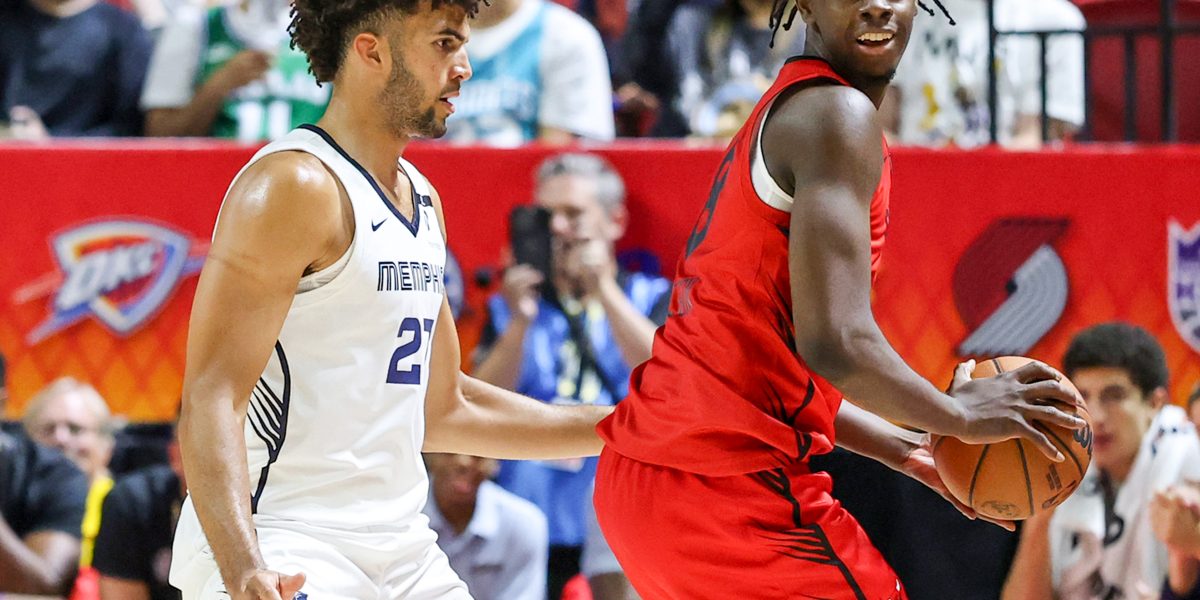

Summer League basketball rarely means much in the standings, but for a franchise in the middle of an honest to goodness rebuild, it means everything from a development standpoint. The Chicago Bulls just wrapped their opening stretch of games in Las Vegas, and there’s plenty to unpack about what this young core is actually showing so far.
This offseason has genuinely felt different for Bulls fans, and that’s saying something after years of front office decisions that seemed stuck between fully rebuilding and chasing a play in spot. With Bryson Graham now running basketball operations and Tiago Splitter taking over as head coach, there’s a clear sense that this front office is actually leaning into a full reset rather than another middle of the road shortcut.
That shift matters. It means evaluating young talent honestly rather than prioritizing veteran mid range signings just to stay competitive on paper.
The headliner of this Summer League class is Caleb Wilson, the fourth overall pick out of North Carolina. As the clear centerpiece of this draft class, all eyes were on how he’d look against other top prospects in Las Vegas. Early returns have been a mixed bag, which is honestly pretty normal for a young forward adjusting to the speed and physicality of professional basketball for the first time.
The talent flashes are there, but like most rookies, consistency is going to be the thing to watch as the season actually gets underway.
One of the more interesting storylines from Summer League has been watching Dailyn Swain get used as a primary ballhandler, a role that’s a bit outside his natural position. It’s the kind of experimental usage that Summer League exists for, giving the coaching staff a real look at whether a player can grow into an expanded role before the stakes get higher in the regular season.
Beyond the two first round picks, the Bulls also brought in Kam Jones, acquired in a draft night trade with the Pacers, adding another piece to a young core that the front office is clearly building around. With around fifty eight million dollars in cap space to work with this offseason, Chicago has real flexibility, though how they choose to use it will say a lot about whether this rebuild stays a true reset or turns into another attempt to find a shortcut.
Josh Giddey remains the highest paid player on the roster after signing a deal worth twenty five million a season through the 2028 to 2029 campaign, which tells you he’s viewed as a piece of the long term plan rather than trade bait.
Chicago dropped their first two Summer League games before bouncing back with a solid win over Washington. As always, the actual scoreboard matters far less than the process. What matters more is whether these young players are showing flashes of the skills that made them attractive prospects in the first place, and whether the coaching staff is putting them in positions to succeed long term rather than just win exhibition games that don’t count.
If this front office truly commits to the rebuild rather than reaching for quick fixes, this Summer League class could look back on July 2026 as the start of something real. It’s still early, and Summer League performance never guarantees anything, but the direction finally feels intentional in a way it hasn’t in years. Building a successful roster is never a gamble, despite what an online casino mindset might suggest it requires patience, smart drafting, and long-term planning rather than relying on luck.
Rebuilding is never fun to watch in real time, but for Bulls fans who’ve been asking for a genuine reset, this offseason finally looks like the real thing. Keep an eye on how Wilson, Swain, and the rest of this young core develop once the games actually start to count. This could be the foundation of something worth getting excited about.
The post Bulls Summer League Report Card: What Caleb Wilson and the Rookie Class Showed Us appeared first on ChiCitySports.