Newsletter Subscribe
Enter your email address below and subscribe to our newsletter

Enter your email address below and subscribe to our newsletter

Non‑Jewish Canadians hold less favourable views of Jews today than they did just two years ago, and their attitudes toward Israel have soured even more over the same period. Those are the findings of the Canadian Jewish Barometer 2026, a new national survey, and its authors pose several reasons for the decline.
A factor exacerbating the downward slide is diversity, inclusion and equity (DEI) programs that have eroded the very sensibilities they were designed to correct, said Rhonda Lenton, former president of York University, and co‑author of the study.
She said it was “ironic” that these programs are “often structurally incapable of even seeing antisemitism, let alone addressing it,” she said. “If your DEI lens only recognizes race‑based disadvantage, and cannot grapple with religious, cultural, economic and national dimensions, then Jews — who are the most targeted group in the country — are effectively rendered invisible.”
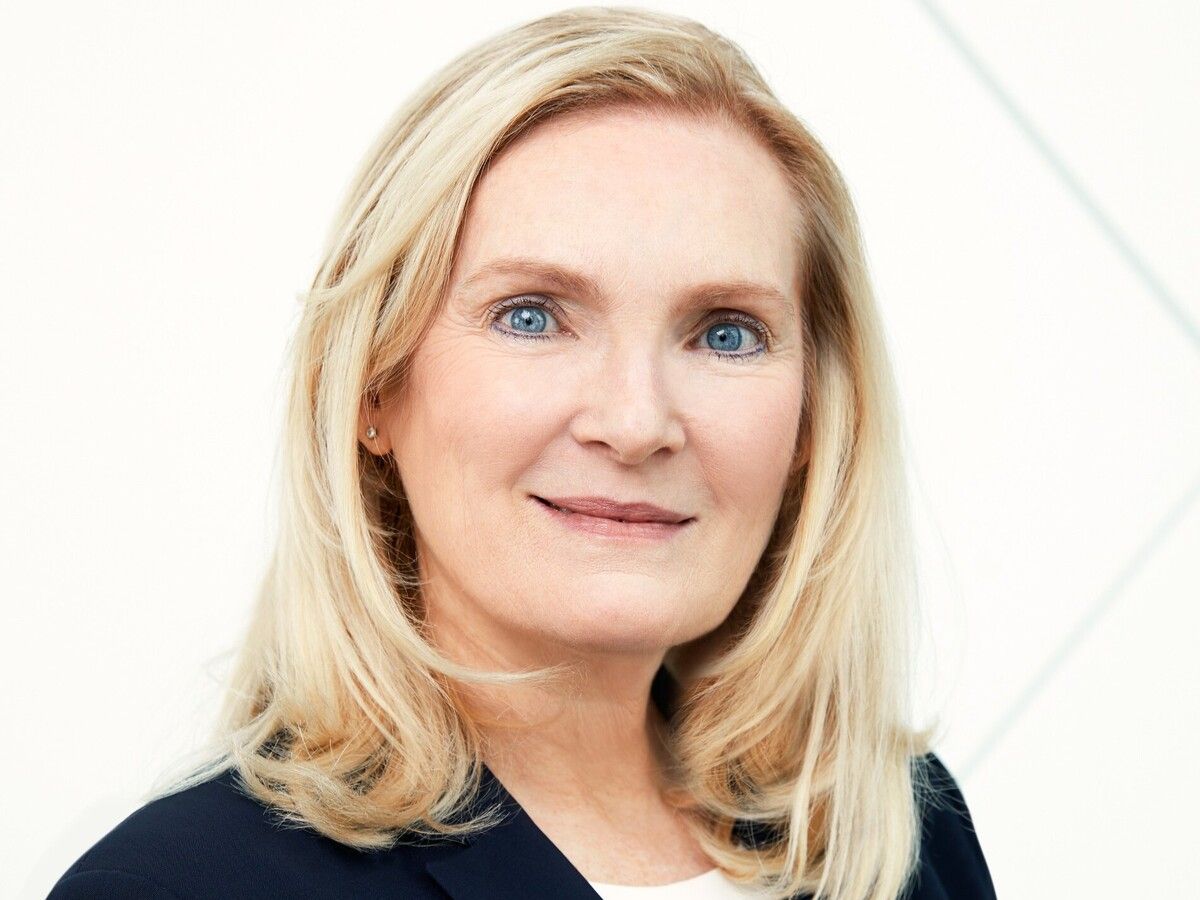
The Canadian Jewish Barometer (CJB), compiled by Lenton and sociologist Robert Brym of the University of Toronto, is based on a web‑panel survey of 3,062 Canadian adults, conducted from mid‑January to mid‑February this year, including oversampling polls of Jews, Muslims and Quebecers, to allow detailed subgroup analysis.
The sample was drawn from the Leger Opinion Panel and the data were collected by Léger .
Compared with a similar survey they conducted in early 2024, the authors find that positive sentiment toward Jews has dropped, while agreement with negatively worded statements about Jews has risen by roughly five percentage points on average — changes large enough to be statistically significant.
The share of non‑Jewish Canadians with the most favourable view of Jews fell by eight percentage points in just two years, and those with slightly positive views dropped by 15 points. Middle‑of‑the‑road and mildly negative attitudes have filled that vacuum, suggesting as authors purport that the “golden age” of Canadian Jewry — running from the 1960s to the early 2020s — is giving way to a more hostile environment.
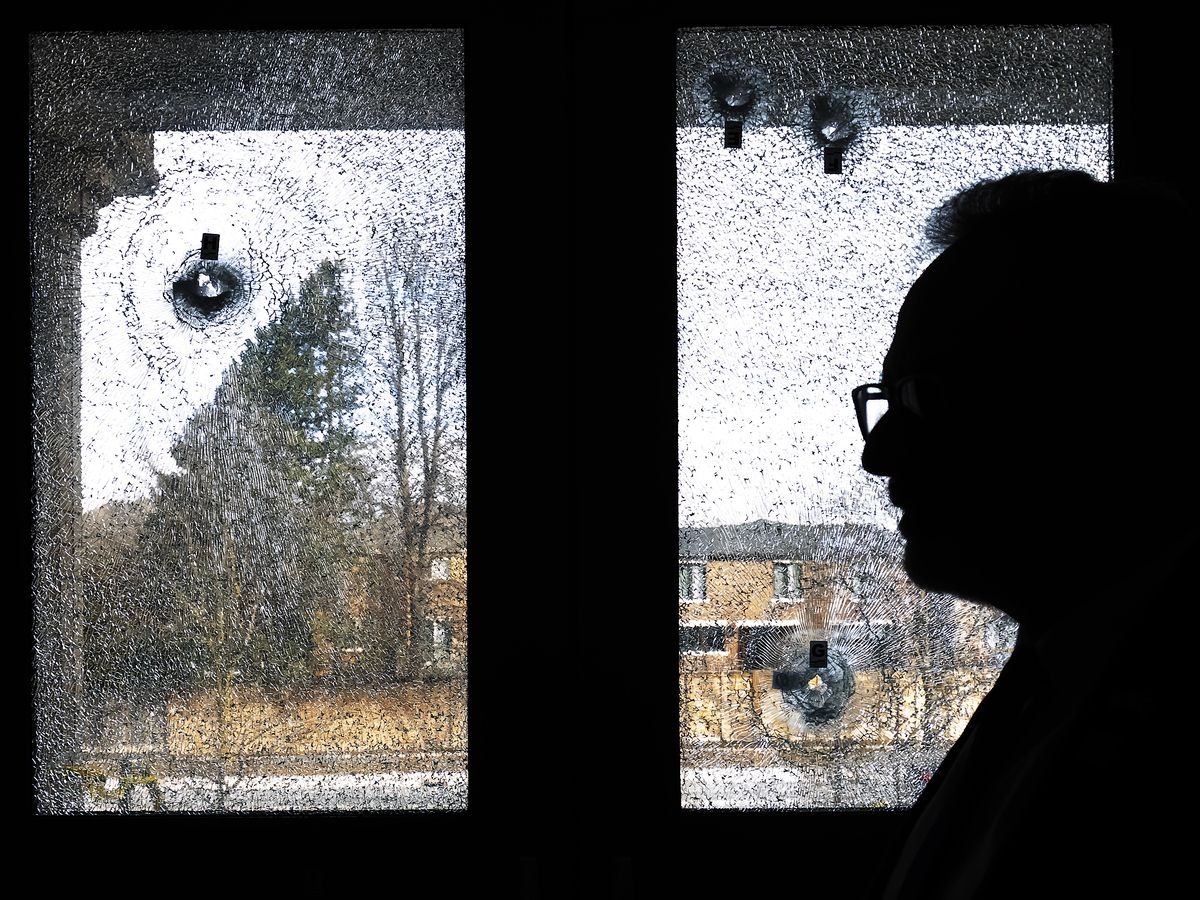
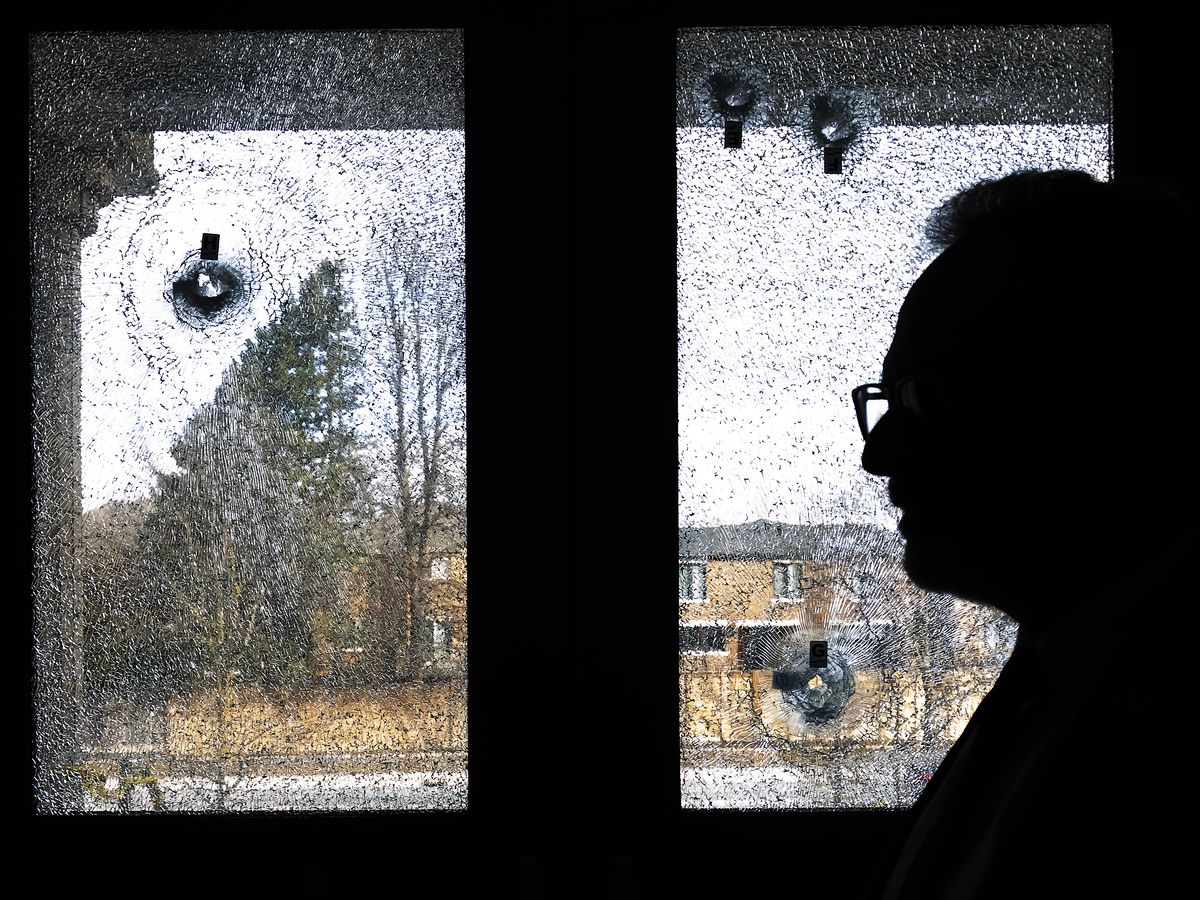
Since the Israel-Hamas war, the Barometer notes that Jews now suffer more police‑recorded hate crimes per capita than any other ethnic, racial or religious group in Canada. In 2024 there was one anti‑Jewish hate crime for every 366 Jews (of roughly 335,000 Jews), a rate far higher than that for Black or Muslim Canadians.
Inside the Jewish community, the rising incidents have caused the psychological toll to worsen, authors submit. In 2024, 63 per cent of Jews said they felt less safe in Canada than five years earlier; by 2026 that figure had jumped to 88 per cent. Nearly seven in 10 Jewish parents now worry about their children’s safety at school.
Those shifts are being felt acutely inside the Jewish community, where fear, discomfort and talk — however tentative — of emigration are now measurable trends, say the researchers. One in four Jews has seriously considered leaving Canada, or made plans to do so, in response to the rising antisemitism.
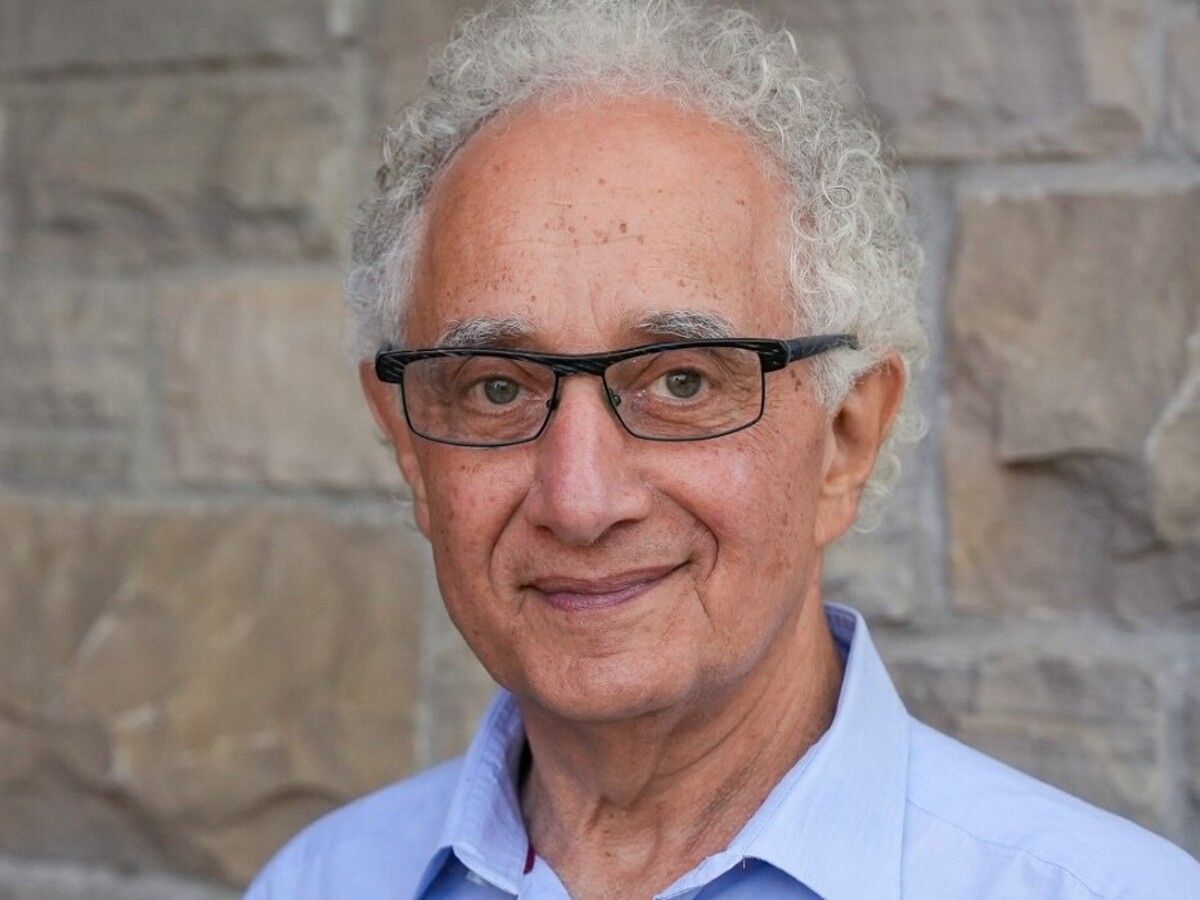
“That 25 per cent is not people packing suitcases; it’s a measure of lost trust,” Brym qualified. “They are questioning whether Canada is still living up to its commitments on multiculturalism and minority rights. When that many members of a historically successful minority are thinking in those terms, it’s not just a ‘Jewish problem.’ It’s a warning light for every minority in this country.”
Non‑Jewish Canadians are now markedly more critical of Israel, says the report: strong and moderate support has declined, while weak support, outright opposition and uncertainty have all grown. When asked directly, more Canadians describe their view of Israel as unfavourable than favourable, and a majority say the Gaza campaign amounts to “genocide.”
Brym argues that intense anti‑Zionism has bled into Jew-hatred. “We’re finding that strong negative attitudes toward Israel’s very right to exist have bred a great deal of antisemitism in recent years,” he said. “They’re different focal points — Jews on the one hand, Israel on the other — but they have become closely linked forms of antipathy.”
Lenton stressed that Israeli government and military policy alone cannot be used as the explanatory factor. “There is a moderate to strong correlation between attitudes toward Israel and attitudes toward Jews, particularly among Muslims,” she noted. “But even after you account for that, a lot of hostility toward Jews remains unexplained. Changing Israeli policy, by itself, will not ‘solve’ antisemitism.”
A more critical look at contemporary equity, diversity and inclusion policies within Canada’s government and institutions, may be the key to reversing the damage, contends Lenton.
“Some of the research shows an inherent tension between DEI frameworks, and the ability to understand antisemitism,” Lenton said. “When DEI is framed almost exclusively around systemic barriers defined by race, it cannot grapple with how antisemitism operates along religious, cultural, economic and national lines. The result is that antisemitism is frequently not mentioned at all in institutional DEI policies, or, when it is, the national dimension of Jewish identity is explicitly excluded.”
Brym added: “A program designed to be inclusive ends up being exclusive of the group that experiences the highest rate of hate crimes in the country,” he said. “The only ‘good Jew,’ in many DEI framings, is a Jew without any national ambitions for the Jewish people. That’s completely out of step with the reality… (nearly all) Canadian Jews see support for Israel as an important or essential part of their identity.”
Lenton argued that universities and other organizations now need to retool how DEI is operationalized — in hiring, promotion, admissions, and student recruitment — to identify where anti‑Jewish bias is being inadvertently baked into policy.
“That includes revisiting definitions, metrics and recommended strategies, and making sure that Jews are recognized as a vulnerable minority in all the dimensions in which they are targeted.”
One of the more sobering findings concerns the limits of Holocaust education, said Brym. The Barometer shows that more hours of classroom teaching do correlate with slightly more positive attitudes toward Jews, but the effect size is small. In Quebec in particular, many non‑Jewish respondents significantly underestimate the number of Jews murdered in the Holocaust, and average classroom time on the subject is lower than in the rest of Canada.
Brym suggested broadening the lens. “Right now Holocaust education tends to focus almost exclusively on Jews,” he says. “What if, in K‑12, we talked systematically about other mass killings and let different groups share their histories with each other? Recognizing the commonalities in suffering could build empathy across communities, not just toward Jews.”
He also pointed to the relationship between Jews and Muslims as a crucial front. “Our data from previous work show that it’s largely the same Canadians who harbour strong antipathy toward both Jews and Muslims,” Brym noted. “We have more in common than either community might think. The Jewish community needs to initiate far more structured dialogue with Muslim organizations to develop mutual empathy. Right now, the relationship is deeply antagonistic, and that serves no one.”
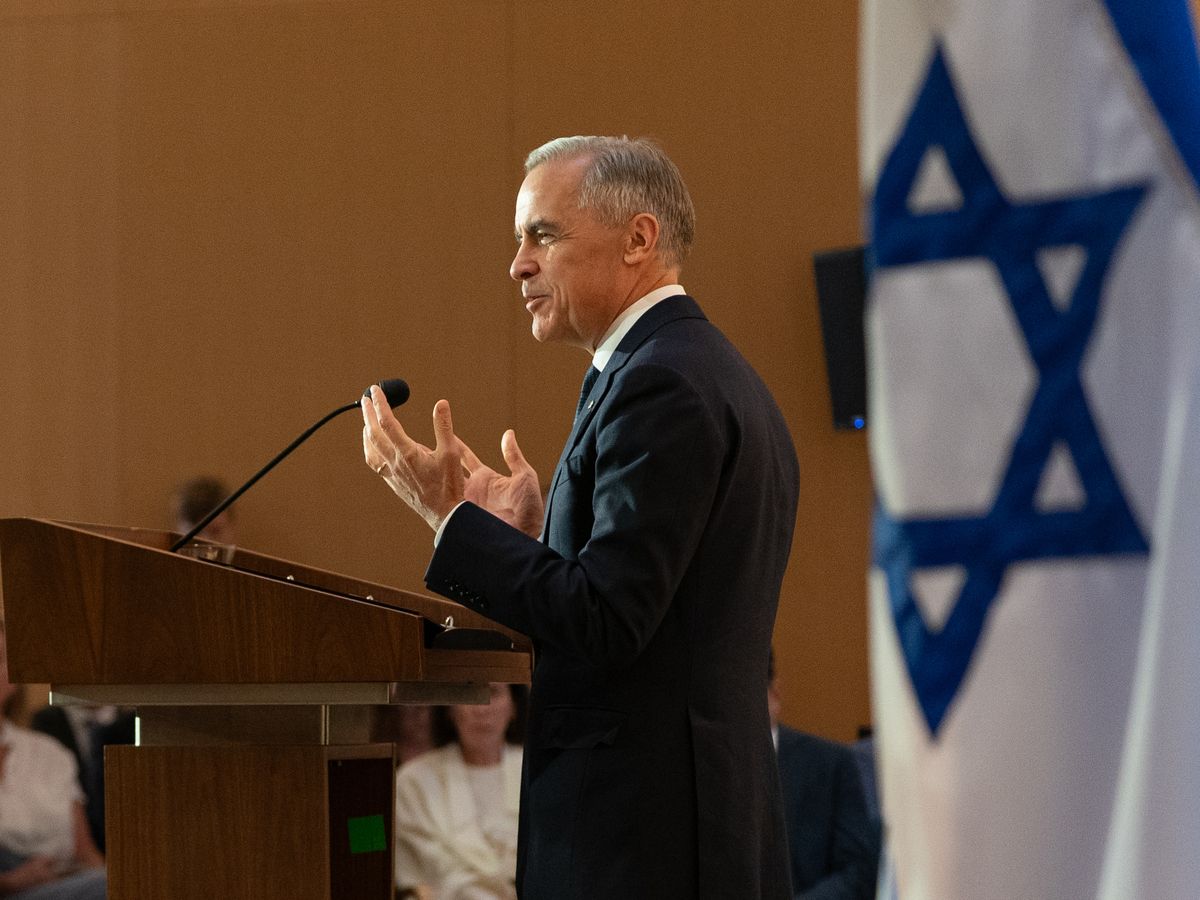
When Prime Minister Mark Carney announced the Ministerial Advisory Council on Rights, Equality, and Inclusion at Toronto’s Holy Blossom Temple on June 1, Brym inferred that it would be informed by academic research as well as political and community input. As such, Brym and Lenton have already forwarded their findings to those committee members, including cabinet minister Marc Miller and Senator Marc Gold, and offered to assist in further research.
“So far, we’ve seen very little evidence that the committee is engaging seriously with academic work,” Lenton said. “They announced that they were prepared to act, but there has been far more signalling than substance. If the government — and that committee specifically — does not embrace and promote rigorous research, it will not be able to see where policy can actually change attitudes, and where it cannot.”
Our website is the place for the latest breaking news, exclusive scoops, longreads and provocative commentary. Please bookmark nationalpost.com and sign up for our newsletters here.