Newsletter Subscribe
Enter your email address below and subscribe to our newsletter

Enter your email address below and subscribe to our newsletter

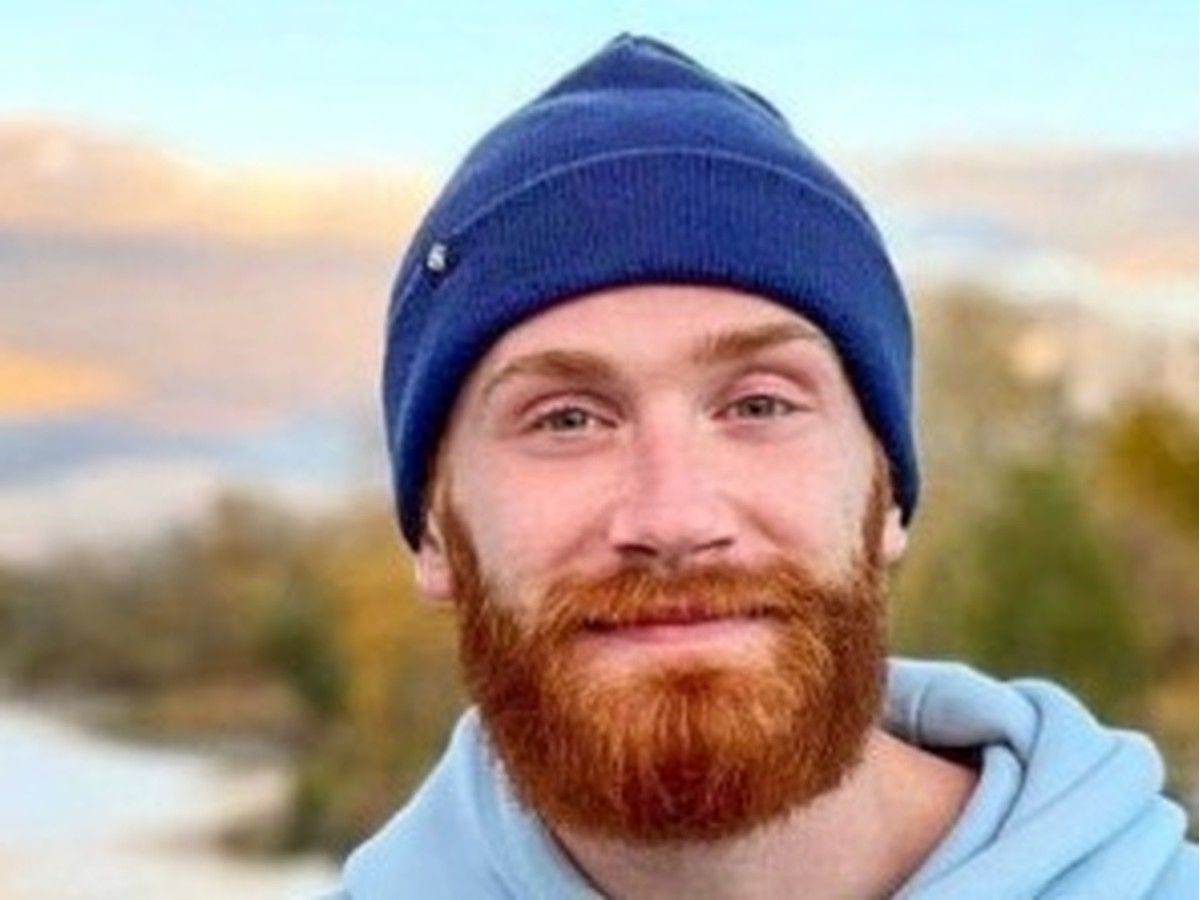
Activist lawyers are aiming to leverage a recent court ruling to dramatically increase income assistance levels for homeless welfare recipients in Nova Scotia who live only in tents, trailers or their cars.
Dalhousie Legal Aid Service has prepared a guide encouraging the homeless to apply for expanded benefits after the court ruled that a Halifax tent dweller was eligible for enhanced income assistance.
Monthly income assistance could rise from $410 to $738 for people living in tents, cars or trailers.
The effort comes in the wake of a decision from Chief Justice Michael Wood of the province’s Court of Appeal, who ruled earlier this month in favour of the estate of Bradley Lowe, a homeless man who died of an overdose in a tent in front of Halifax City Hall ten days before the Christmas of 2023.
“When we’re talking about what has to be called an appalling situation, this decision holds the promise for them of maybe being able to live a little bit closer to the poverty line ,” said Vince Calderhead, the Halifax lawyer who represented Lowe’s estate.
The standard household rate for two people living in a tent or trailer could rise to $1,442 a month, according to Dal Legal Aid. People with disabilities could qualify for more help and get up to $1,022 monthly, the organization said in its guide for applying for more benefits.
“Everyone with a disability may also get an additional $308 Disability Supplement,” according to the organization that does “community outreach, education, organizing, lobbying, and test case litigation to combat injustices affecting persons with low incomes and barriers to accessing justice in Nova Scotia.”
The guide notes that Wood’s decision “does not apply to people living in shelters,” but that “it may apply to people who live in other owned accommodations such as vehicles or travel trailers.”
It’s “hard to say” if people living in trailers will qualify for the larger payments, Calderhead said Monday.
“You would need to show that it’s your accommodation and you own it,” he said.
People living in their cars might also qualify, Calderhead said.
“That’s their accommodation,” he said. “All of these are super pathetic, but that’s what they are.”
The province could rewrite the regulations “and re-define accommodation in a way that would exclude tents or cars or campers or anything like that,” Calderhead said.
Undermining the judge’s decision by amending the regulations “would be a very cruel act toward people in poverty,” Calderhead said.
“On the positive side, what the government should do is, in a kind of pilot project way is say, ‘Let’s see how this plays out’” when people have “an income that allows them to live with a bit more dignity.”
Calderhead suspects the decision could apply to between 200 and 300 people in Nova Scotia’s warmer months, and “far fewer in the winter.”
Nova Scotia’s Department of Opportunities and Social Development “is carefully reviewing” the legal and operational implications of the judge’s decision, Nicole MacDonald, who speaks for the department, said Tuesday in an email.
She failed to answer questions about whether the department will re-write the regulations or appeal the case to the Supreme Court of Canada.
“While we respect the court’s decision, we are considering its potential impacts and reviewing the existing legislative and regulatory framework,” MacDonald said. “The department remains committed to supporting individuals experiencing homelessness in moving to safe and stable housing.”
She couldn’t provide an estimate on how much the ruling could cost the province. “Providing an estimate on the cost would be speculative as eligibility for supports is on a case-by-case basis.”
“A lot of people don’t appreciate the … extra costs that come with being unhoused,” said Mark Culligan, a community legal worker with Dal Legal Aid.
“You often don’t have an ability to do laundry and so you need to get new clothes. You don’t have the ability to prepare your own food and store your own food, so food is often a challenge.”

He spent last Wednesday visiting Halifax’s two designated encampments, informing residents they could apply for more social assistance based on Wood’s ruling. Culligan estimated that about 50 people in total are living at the two sites.
“There are, in addition to that, people sleeping rough or in vehicles outside of the designated encampments, so it’s hard to put an exact number on it,” Culligan said.
So far, he said Dal Legal Aid has helped a half dozen people apply for more social assistance on the basis of Wood’s decision earlier this month.
“We’re not talking about that much money,” Culligan said. “We’re talking about $410 to $738 — that’s not a big bump.”
Two months before he died, Lowe, who had been initially approved to receive $380 per month in income assistance, applied for the enhanced rate of $974 per month on the basis that he had a disability and owned his tent.
But Lowe’s request was denied because he was deemed “unhoused” and therefore did not meet the eligibility requirements.
Days after Lowe’s death, Nova Scotia’s Assistance Appeal Board dismissed his appeal. The case then went to the Supreme Court of Nova Scotia and, in May 2025, Justice John Keith dismissed the judicial review, finding the board’s decision unreasonable but ultimately concluding that Lowe did not meet eligibility requirements for the enhanced rate.
The enhanced rate is for people including those with a diagnosed disability, a chronic mental, cognitive, or physical condition “that limits participation in employment services,” are 55 or older, between the ages of 16 and 18, or fleeing an abusive relationship.
On Aug. 7, the Nova Scotia Court of Appeal ruled not only that the board’s original decision was unreasonable, but that Lowe met the eligibility requirements for enhanced rate assistance according to the province’s Employment Support and Income Assistance Act.
“The court found that the hearing judge erred in interpreting the Regulations (of the Act), as the term ‘accommodation’ should include the applicant’s tent,” Wood wrote in his decision.
He said that the Act “aims to provide assistance to those in need, including shelter,” and that Lowe “was entitled to Enhanced Rate assistance based on a proper interpretation of the Act and Regulations.”
While Lowe had been camping on the grounds of Victoria Park, he died in one of the many tents pitched at the time in front of Halifax’s City Hall, about a 10-minute walk away from where he’d been sleeping.
Wood ruled Lowe was entitled to the enhanced rate of assistance at the time of his application in October 2023. The judge awarded him $3,000 in costs.
Lowe’s mother took up the legal fight after her son died, hoping to win some money for his seven-year-old son.
“We were just really relieved that a struggle that had happened was finally vindicated,” Calderhead said.
Wood’s ruling should add nearly $5,000 to Lowe’s estate, which will go to his son, said the lawyer, who took on the case pro bono.
“I think he would be very pleased,” Calderhead said of his late client.
“He would see this as a victory.”
Our website is the place for the latest breaking news, exclusive scoops, longreads and provocative commentary. Please bookmark nationalpost.com and sign up for our daily newsletter, Posted, here.