Newsletter Subscribe
Enter your email address below and subscribe to our newsletter

Enter your email address below and subscribe to our newsletter

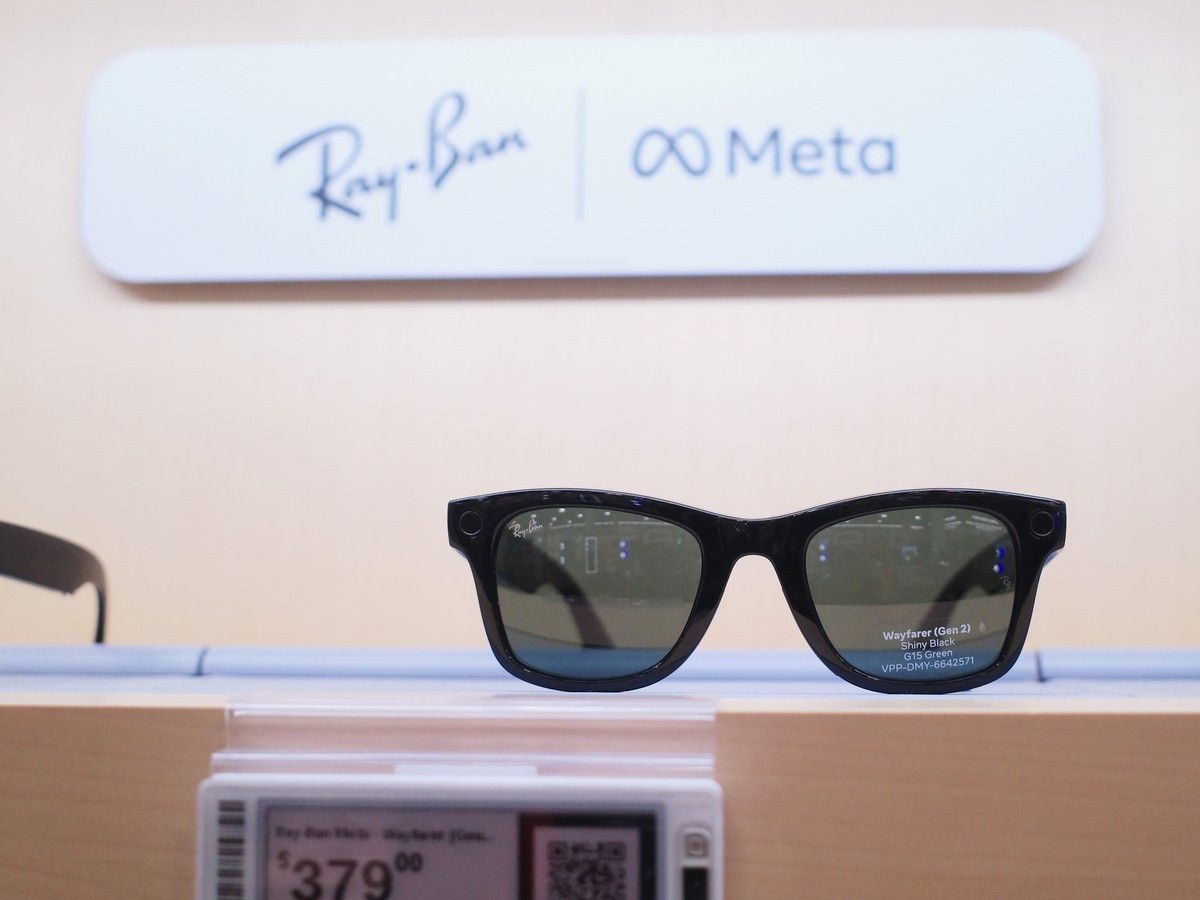
The only sign that a pair of Meta glasses is recording you is a small white light on the frame, and it can be defeated.
Men are using the camera glasses to film women who do not know it is happening, and not only on the street. It is happening in gyms, in bathrooms and in change rooms. The footage lands on Instagram and TikTok, where the women in it are identified and mocked in the comments.
For these reasons, news outlets such as The Guardian , Wired and Vox , among countless others, have dubbed them “pervert glasses,” a term that also found its way into a recent Jimmy Kimmel monologue and skit.
The glasses are built not to be noticed. They look like ordinary sunglasses, and the light is the only warning anyone gets that a camera is running.
Meta launched a cheaper second line in June with EssilorLuxottica , the eyewear group that owns Ray-Ban and Oakley, starting at $409 in Canada and carrying neither brand name. One of the three styles was designed with Kylie Jenner. They went on sale here at launch.

The most visible use is the pickup video, where a man approaches a woman in public, films the exchange without telling her and posts it. Suzie Dunn , an assistant professor of law at Dalhousie University who researches technology-facilitated gender-based violence, said the point is not the woman.
“I don’t think they’re genuinely trying to pick up these women,” Dunn said.
Rather, she said the videos are meant to be instructional, aimed at men who pay to learn the technique.
“Many of these people are trying to gain followers. They often sell classes or other types of subscription-based models where people pay them to show how to be a pick-up artist,” she said.
The women find out later.
“Once their images are published, they’ve been identified. Often their school will be identified, their workplace will be identified, sometimes their phone number or their social media accounts will get contacted by people who will critique their appearance, will critique the way that they reacted to this pickup artist,” Dunn said.
Dunn separates that from a second category.
“There’s the other context which is, you know, filming in bathrooms, filming in change rooms, filming during sexual activities and that’s a different category of non-consensual filming than the pick-up artists,” she said.
Olivia Avison, a peer support worker at the Digital Sexual Violence Support Centre in Mississauga and a master of social work candidate, said the settings are ordinary. It can happen anywhere “from a park to a library,” she said. She also manages a massage therapy clinic, where she said there would be “zero acceptance” of anyone recording.
Meta’s answer is the light. The company says the capture LED blinks briefly when a photo is taken and keeps blinking through a video, that it has no off switch, and that it is there so everyone around the wearer knows they are recording. Covering it with tape has disabled the camera since the second generation.
The company said in a July 7 blog post that it was going further.
“We are continuously improving our ability to detect tampering, and now we’re updating the glasses to disable the camera if they detect the LED was physically tampered with or destroyed,” Meta said in the post. The update is mandatory and covers Ray-Ban Meta, Oakley Meta and Meta’s own line.
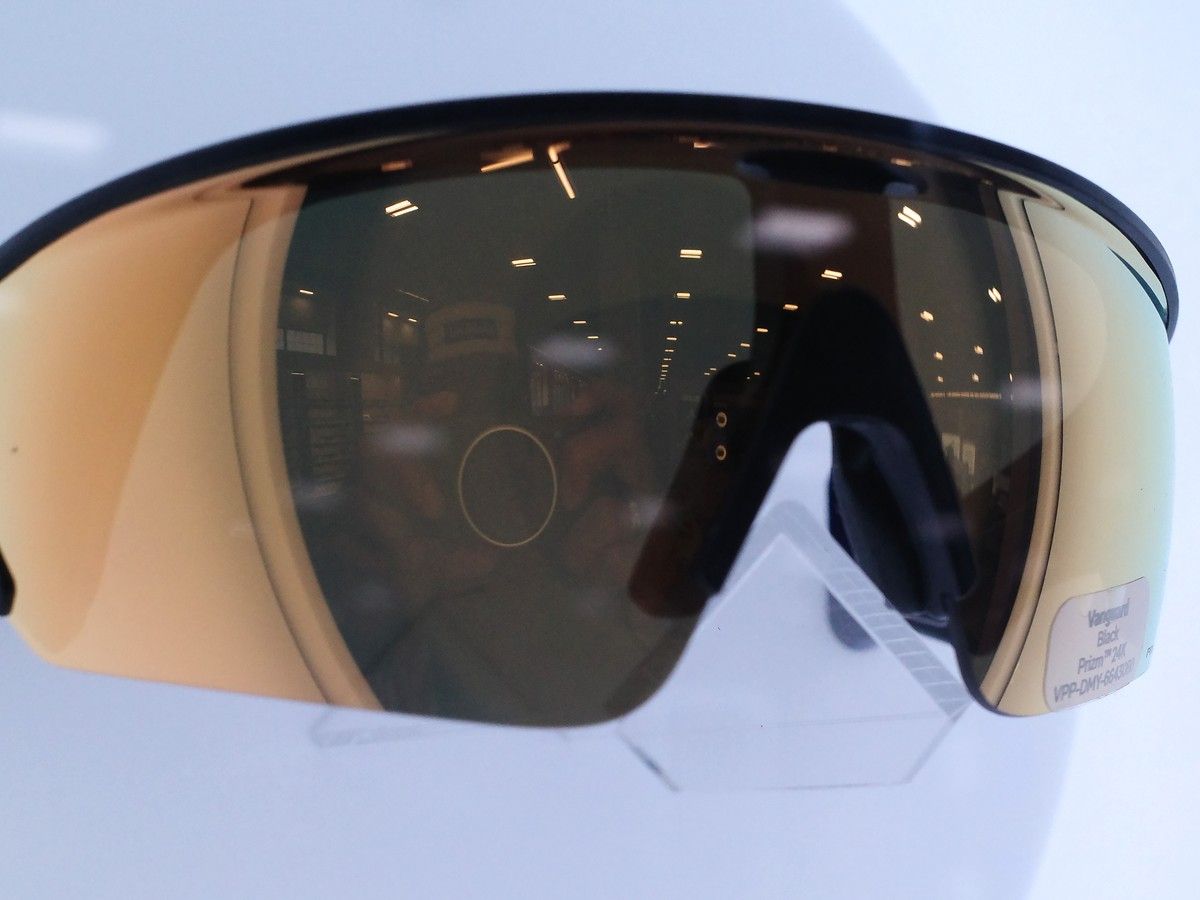
Jake Moore, a global cybersecurity advisor at the security firm ESET who bought a pair and tested them, said that is not the end of it. The light “can be switched off or hidden with a worryingly simple modification,” he said in an email to National Post.
“The fact this is possible is extremely worrying and shows that Meta has built the glasses without a privacy focus,” he wrote.
Moore has told Meta about the workaround and is holding the technical details while he waits for the company to respond. He’s not aware of any plans to fix it.
His advice does not depend on the light at all.
“If people don’t see an LED light switched on, they should still assume that the glasses could still in fact be recording,” Moore wrote.
Meta acknowledged questions from National Post about the recording light and the modifications but did not provide answers by deadline.
Dunn sees the same thing from the other side. People who want the light off find each other online, she said.
“If you go on to places on the internet where these communities exist, they provide each other with instructions on how to do it. And so far, it seems that they have been very effective in learning how to turn the light off.”
Section 162 of the Criminal Code makes it voyeurism to secretly record someone who has a reasonable expectation of privacy, and carries up to five years in prison.
Dunn said that covers the change room.
“If someone has turned off the light of their glasses, they haven’t told the person that they’re recording. And if the person is in a private place, such as a bathroom, a change room, a bedroom, even if there’s no sexual activity going on … that would be covered under voyeurism,” she said.
Voyeurism requires a sexual purpose or a private setting, and a pickup video may be neither.
“It would be interesting to see a legal case go through to see how the courts would interpret that if surreptitiously made pickup videos could be captured under something like voyeurism,” Dunn said. “It’s not clear.”
Ottawa’s most recent move is the Safe Social Media Act , introduced June 10, which targets seven kinds of harmful content and requires social media services to take down material that sexually victimizes children and intimate content shared without consent. It says nothing about a person filming a stranger in public.
Filming strangers in public is generally legal in Canada, and Dunn does not dispute that — “It’s not inappropriate to take photos in public,” she said — but what has changed is the volume and the purpose.
How much of it is happening in Canada is unknown. Avison works at one of the only Canadian organizations dedicated to digital sexual violence and has not had a single case involving the glasses. The issue “isn’t something that’s come to my attention yet, but I’m sure it’s bound to happen,” she said.
Some places have already drawn a line. Gyms and gym change rooms increasingly have explicit no-filming rules, Dunn said, and she expects more venues to follow. The Berlin nightclub Berghain covers the cameras on every phone at the door.
Removing a video is harder. People usually start with their municipal police, Avison said, who have a technological unit that deals with cybercrime but often send them back to the platform. From there it is the social media company or Google, and nobody hands you a set of steps.
“There aren’t straightforward instructions,” she said. “So it’s very, very confusing and very, very tedious.”
In her experience, it takes a few weeks, Avison said, and then it starts again.
“The second you take down one photo, another one is up,” she said, noting that people end up searching for themselves for hours, looking for copies.
For Dunn, the fix is not a better warning light.
“I think they should stop making the glasses,” she said.
Our website is the place for the latest breaking news, exclusive scoops, longreads and provocative commentary. Please bookmark nationalpost.com and sign up for our newsletters here.