Newsletter Subscribe
Enter your email address below and subscribe to our newsletter

Enter your email address below and subscribe to our newsletter

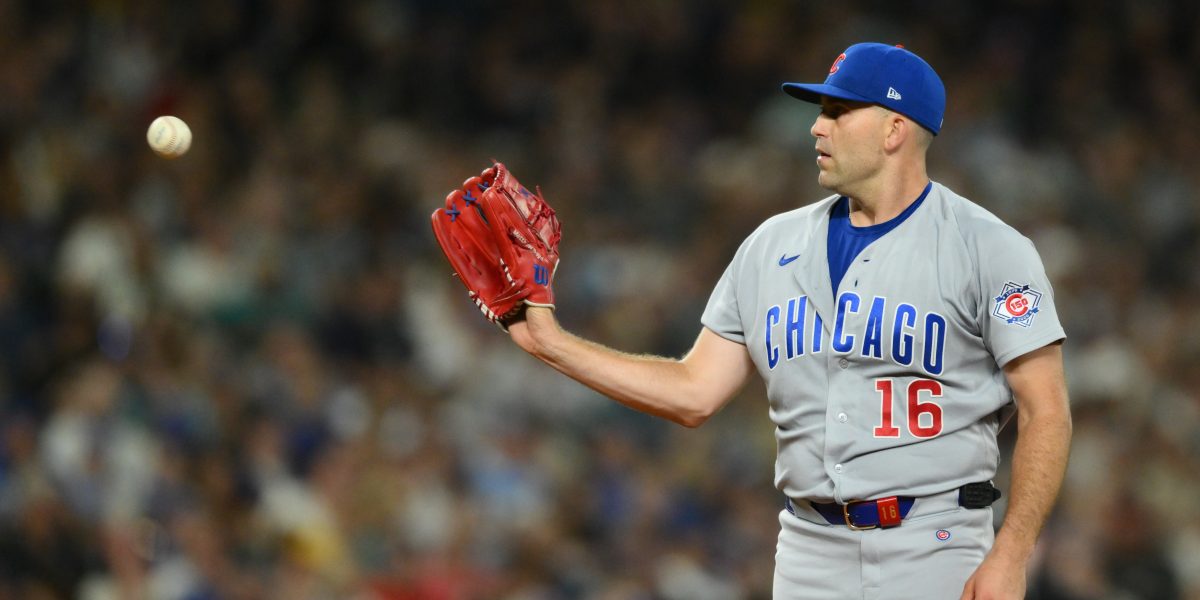

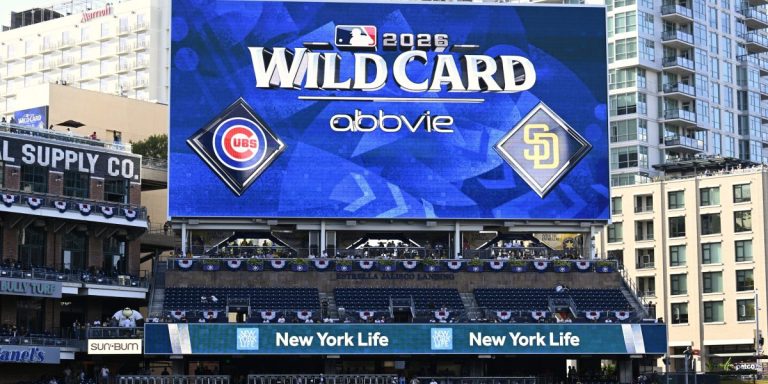
The Chicago Cubs didn’t exactly come into this Wild Card series against the San Diego Padres with the greatest of chances to advance to the next round.
More News: Chicago Cubs: PCA ranked most important asset in 2026 playoff baseball
They were looking at three straight games on the road at Petco Park against a red-hot Padres team that has been pretty unbeatable at home. Also, momentum was clearly not on their side as they limped into this Game One a sub-.500 team since mid-August and having squandered a 6.5 game lead at the top of the National League Wild Card standings.
The Cubs were also staring down the reality that their pitching, as a whole, was nowhere near strong enough or consistent enough to be anything but a liability in postseason play.
Yeah, many fans and pundits convinced themselves that Chicago’s elite defense and top-of-the-bigs offense could carry this team through the playoffs and deep into a championship run. But every real baseball person knows that playoff baseball is pretty much all about pitching and momentum.
In short, the Cubs were cooked before they even started warm-ups in San Diego.

More News: Chicago Cubs facing big problems in Padres series, per analyst
Tuesday’s 8-0 loss in the opening of the three-game Wild Card series was the validation of all the doubters’ and critics’ warnings. An elite Michael King start for the Padres nullified the Cubs offense. A shaky Matthew Boyd start for the Cubs, meanwhile, gave up the early lead that allowed King to coast the rest of the way. By the time the Padres bullpen came into play, the game was already lost.
Boyd allowing three home runs in four innings triple-underlined the team’s greatest pitching failure this season—the lack of arms with distinct blow-them-away, swing-and-miss stuff. It also spotlighted the greatest failing of this Cubs front office—the inability and/or unwillingness to spend big on pitching.
All of this was not exactly a revelation brought to light after this game.
Per Sahadev Sharma of The Athletic:
“For Chicago to have any hope of getting through the postseason, it was going to have to piece its pitching together. As dominant as this team had been this season on defense and at the plate, its pitching was a glaring weakness. By fWAR, only the Washington Nationals and Kansas City Royals were worse than the Cubs’ pitching this season.
…The hope now has to be that the pitching can hold things down long enough for the Cubs bats to wake up and carry the team. That was always how it had to be. Otherwise, a quick exit and a long offseason await.”

Cubs president of baseball operations Jed Hoyer did a good job of pursuing patches for the beleaguered pitching staff at the trade deadline—acquiring Kevin Gausman, Clay Holmes, Ryan Zeferjahn, and Braxton Garret. But, as things are turning out, it may have been too little, too late to salvage a season that was often showing signs of being a special one. It’s also worth noting that King was a free agent this past offseason, up for grabs to the highest bidder—as were Dylan Cease and several other starting pitchers—yet the Cubs passed.
Chicago is facing elimination Wednesday night. But even if they stay alive with a gritty victory, what about the next game? What about the series after that? This team will never meet a postseason challenge where pitching won’t be the albatross around its neck.
Next season, Hoyer and staff have the unique opportunity to almost completely rebuild their pitching staff. Several pitchers will be leaving via free agency and lots of money will be coming off the books. With no real help coming from a depleted minor league system, the Cubs have no choice but to spend in pursuit of new arms.
Time will tell if the Cubs learn from the mistakes dragging this current team to early elimination.
The post Chicago Cubs rout in San Diego offers sobering reality check appeared first on ChiCitySports.