Newsletter Subscribe
Enter your email address below and subscribe to our newsletter

Enter your email address below and subscribe to our newsletter

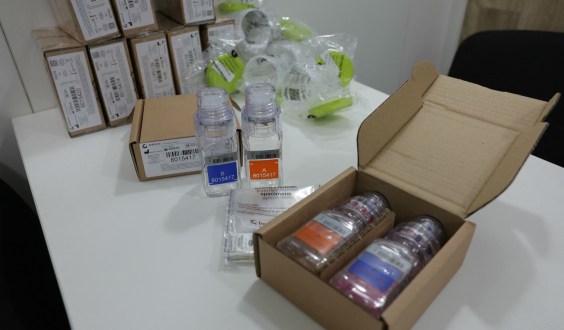
ÉVIAN-LES-BAINS, France — After several years of lurking in the shadows, the specter of doping once again looms over the Tour de France. Though nobody has tested positive—or no positive test results have been made public—the biggest story at this year’s Tour is a renewed aggression from testing authorities and a resultant increasing hostility from the riders. The tactics executed by anti-doping officials and the legal justifications marshaled to support them represent a modernization of anti-doping rules, intended to disrupt hypothetical cutting-edge pharmacological routines designed specifically to beat previous testing methods. The International Testing Agency (ITA) and the Union Cyclistes International (UCI) are no longer passively accepting that the extant testing regime is good enough.
Here we see the latest iteration of an eternal story in cycling. The uneasy symbiosis between professional cyclists and the UCI is built on a shared interest in winning the public’s trust. However, the sport’s history makes that a fraught proposition, and while the riders would argue that a dearth of positive tests shows that nobody’s cheating, the authorities would counter that no doping cases only means nobody’s getting caught. Though riders and authorities ultimately want the same thing, it’s incredibly difficult to balance labor’s desire to be treated as trustworthy against management’s desire to appear strong, without the former looking like liars or the latter looking like fools. So what’s changed this year, and what does it say about the future of that delicate balance?