Newsletter Subscribe
Enter your email address below and subscribe to our newsletter

Enter your email address below and subscribe to our newsletter

A couple weeks ago, I bought an apple cider slushie at the farmer’s market. It was a hot summer afternoon, and the ice crystals in the slushie sparkled and burst in my mouth with crisp acidity that immediately cooled me down. The cider had been made by the farmers who ran the stand so it wasn’t too sweet, just the platonic ideal of apple flavor somehow frozen into slushie form. Before I took another sip, I pulled out my phone to snap a picture of it. The rich brown of the slushie was framed by cartons of fresh, local blueberries. A light layer of condensation had just started to form on the outside of the cup. It was the perfect encapsulation of a lovely summer day in my town.
Later, I posted the photo to my Instagram story. No caption, just the ordinary proof-of-life type of content I post to my personal social media that serves as a digital record of the life I’m living. It blended in with the endless stream of similar photos and videos in my feed, which I scrolled through to catch up on what my friends, acquaintances, and even enemies have been up to.
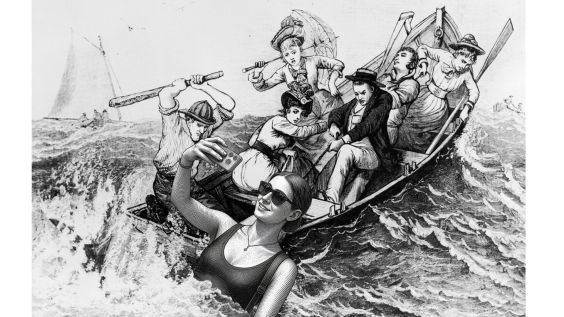
There’s nothing exceptional about what I did. The act of documenting life on the internet has become so commonplace that it is unremarkable, and yet the act of documentation—who does it, and how—continues to incite debate as people’s digital selves impose more and more on their meatspace lives.