Newsletter Subscribe
Enter your email address below and subscribe to our newsletter

Enter your email address below and subscribe to our newsletter

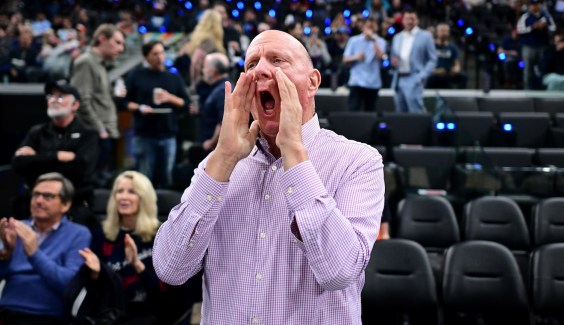
As the dust settles following the NBA’s obliteration of the Clippers over the Kawhi Leonard–Aspiration scandal, one of the more interesting vectors of fallout is on the media side. After all, the scandal kicked off following a series of reports from podcaster Pablo Torre, who is mentioned in the first line of the official investigation’s report, and was later stage-managed for the public several times over by ESPN, Torre’s former employer. Despite the company’s status as the big dog of sports journalism, it bungled the biggest NBA story of the year at every stage.
ESPN is where Clippers owner Steve Ballmer went to plead his innocence two days after Torre broke the story last September. It’s also where the most seemingly authoritative piece of reporting on the scandal emerged in the weeks before the release of the league’s report. That story, from Aug. 17, has aged horribly, as its framing was that the investigation would clear the Clippers of wrongdoing; two weeks later, they were clobbered. So what are we to make of this sequence of events?
In the aftermath of the NBA handing down its punishment, criticism of ESPN’s story has tended to take a certain shape: The once-proud Worldwide Leader in Sports has shamed itself, having abandoned quality journalism in favor of Pat McAfee. While broadly correct, that critique doesn’t really apply here. One might assume the Aug. 17 story had been riddled with factual errors, but that isn’t entirely correct. The story—triple-bylined by Don Van Natta Jr., Baxter Holmes, and Ramona Shelburne, with additional reporting credits for Shams Charania and Bobby Marks—wasn’t exactly wrong on the facts. The crux of it was that the league’s investigation had found no evidence of Ballmer having “funneled money through team sponsors to pay Kawhi Leonard in order to circumvent the salary cap.” Rather, according to the ESPN story, the investigation was focused “on whether the team’s introduction of Leonard to team sponsors constitutes a violation of the league’s rules prohibiting salary cap circumvention.” That’s basically coherent with what’s in the report, produced by the Wachtell, Lipton, Rosen & Katz law firm.